Read More




UK denies BN(O) visas to Hongkongers with protest convictions: report
23-09-2026 18:59 HKT



China is slowing its efforts to repatriate Chinese nationals who are in the U.S. illegally, a senior Trump administration official told Reuters, warning that Washington was prepared to increase travel restrictions on the country if Beijing didn't reverse course.
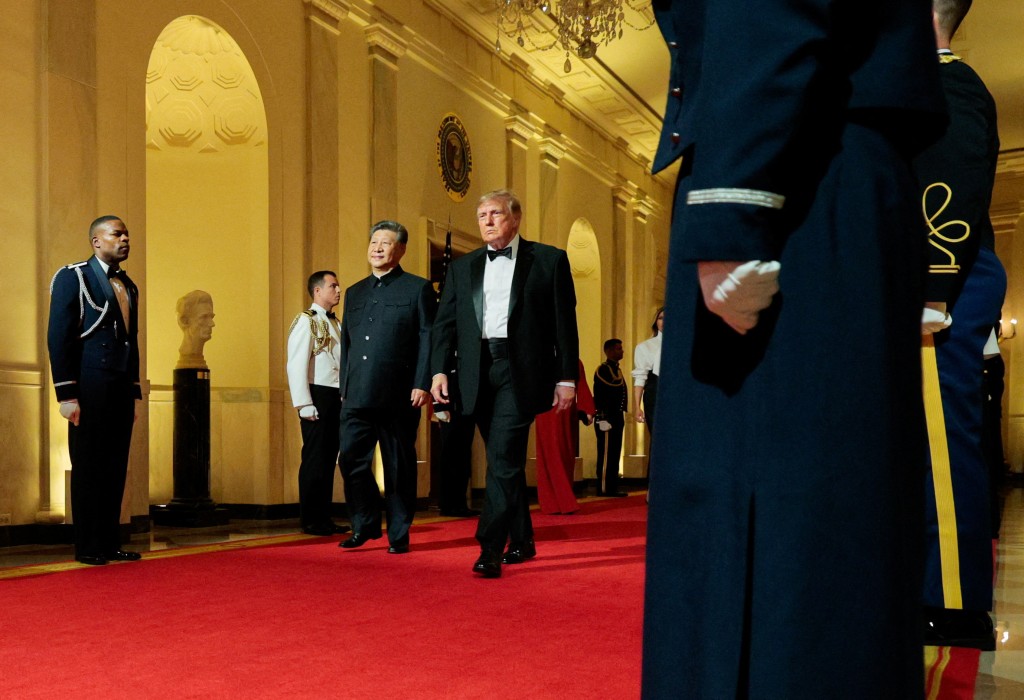
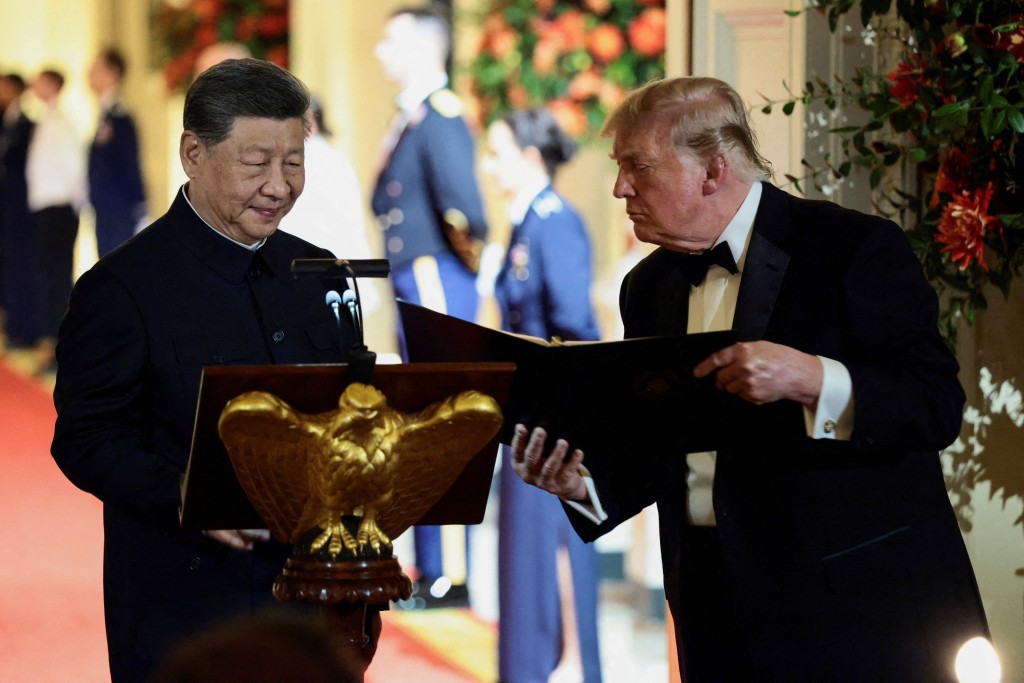
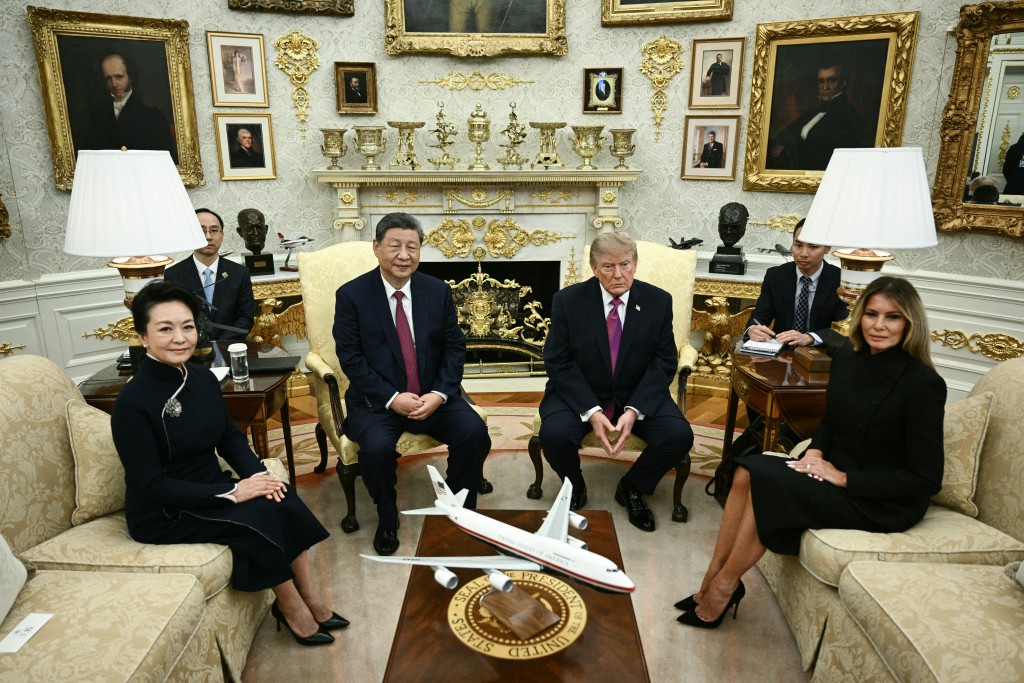
The new U.S. threat toward China comes just days before President Donald Trump's planned May 14-15 visit to Beijing, where, among other issues, he is expected to raise the deportation issue during meetings with his counterpart Xi Jinping.
The trip is an important one for Trump, who is hoping to win trade concessions from Beijing that he can present to voters ahead of November's midterm elections that polls suggest could deliver losses for the president's Republican party.
Since returning to the White House early last year, Trump has threatened tariffs and sanctions on numerous countries for failing to accept deportees, a central pillar of his campaign for the White House and hard-line immigration policies.
China for years has resisted U.S. requests to take back tens of thousands of its citizens who have overstayed or illegally entered the country.
When Trump took office, China had suggested it was willing to repatriate "confirmed Chinese nationals" following verification. But Beijing has said doing so takes time.
After accepting about 3,000 deportees via charter and commercial flights in early 2025, China has scaled back cooperation in the past six months, the senior U.S. official said. The official spoke on condition of anonymity in order to speak candidly about administration plans.
China "refuses to fully cooperate with the United States to take back its citizens," the official said, calling it a violation of China's international obligations and responsibility toward its people.
The official said that if China didn't increase cooperation on deportations, the United States would consider increased cash bonds accompanying visa applications, as well as denying more visas and blocking more entries at the border.
"Inaction by the Chinese government will jeopardize future travel for law-abiding Chinese citizens," the official said.
The Chinese embassy in Washington did not immediately respond to a request for comment.
Previously Beijing has said it opposes illegal migration, and calls it an "international issue that requires cooperation between countries."
Trump has pursued a hard-line immigration policy, including an aggressive deportation drive, revocations of visas and green cards, and checks of social media posts and past speeches of immigrants.
During the Biden administration, the number of Chinese nationals illegally crossing the U.S. southern border surged from negligible numbers to tens of thousands, as China's economy faced headwinds and U.S. visas were harder to acquire due to COVID era restrictions.
There are now more than 100,000 undocumented Chinese nationals in the U.S., the official said. More than 30,000 have final orders of removal, and of those, authorities have detained more than 1,500 awaiting deportation. Most in this last category have committed other crimes, the official said.
Independent estimates of the number of undocumented Chinese nationals in the U.S. vary. The Migration Policy Institute (MPI) said that in mid-2022 as many as 239,000 Chinese immigrants were not authorized to be in the country.
Other countries with large numbers of undocumented people in the U.S., including India, are fully cooperating with the U.S., the official said.
The U.S. wants Beijing to provide travel documents and approve Customs and Border Protection charter flights with deportees, paid for by the U.S., to land in the country.
Under Section 243(d) of the Immigration and Nationality Act the U.S. can place visa sanctions on countries deemed "recalcitrant" in complying with repatriation requests, a label the Department of Homeland Security has routinely applied to China.
U.S. authorities going back to the Obama administration have said they believe China slow rolls the issuance of new travel documents for the deportees because it doesn't want to take them back or sees the issue as a useful point of leverage with Washington.
U.S. law enforcement officials have told Reuters that China at times seeks to link Washington's requests on deportations to Beijing's requests to extradite economic or political fugitives who have fled to the United States.
Reuters