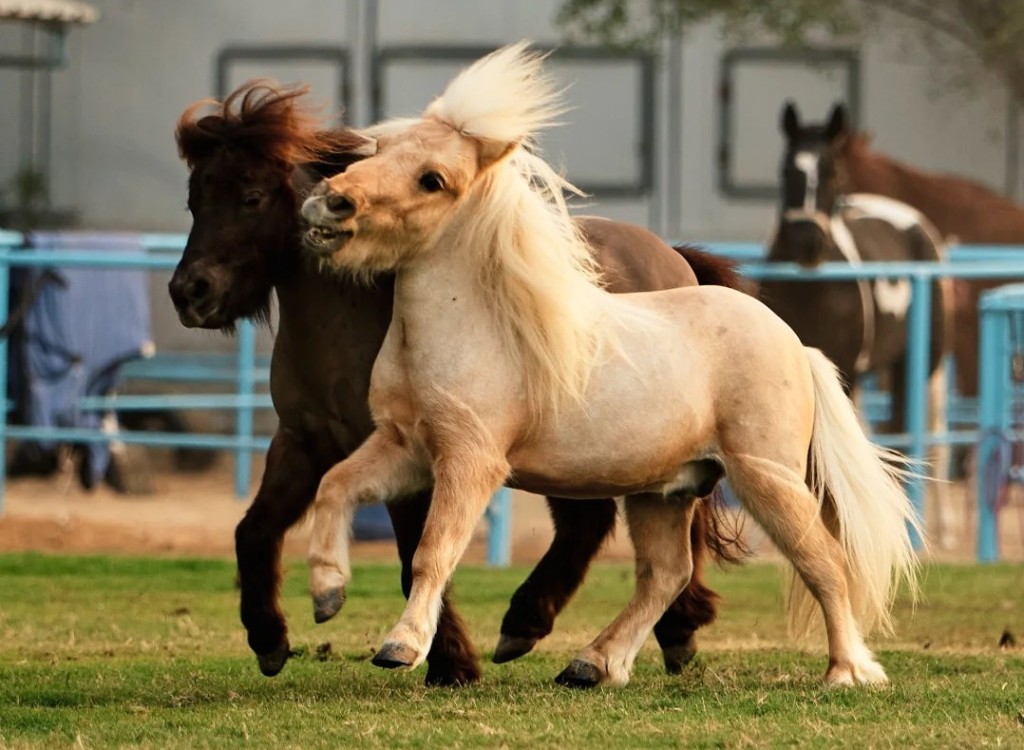
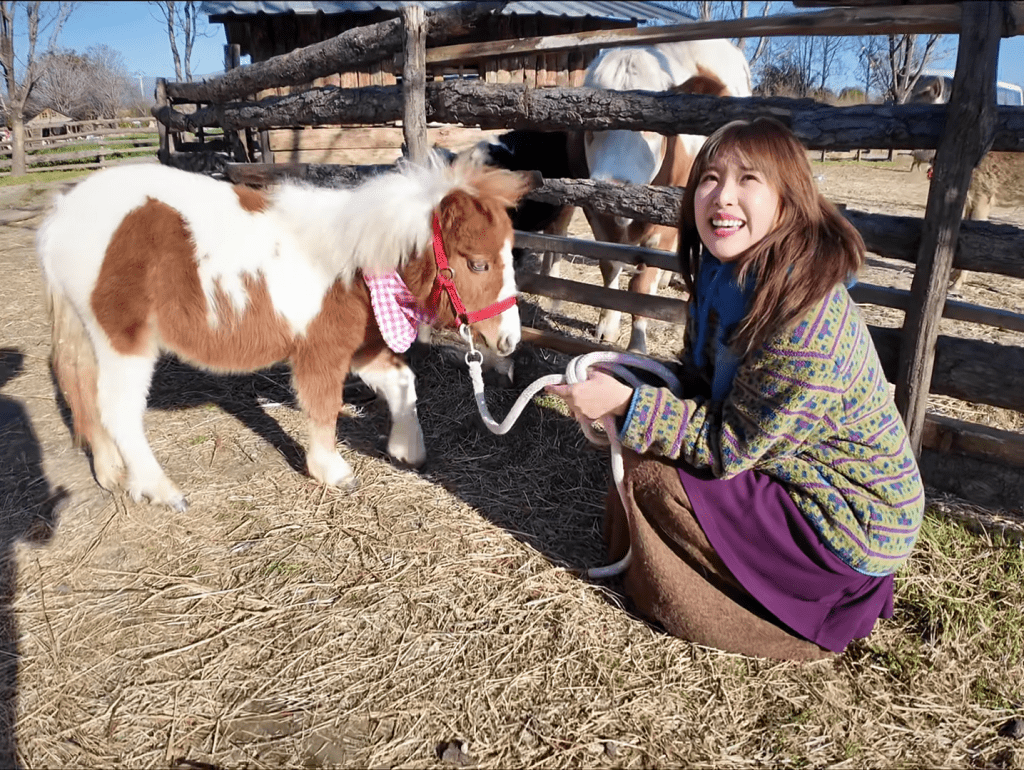
With the start of the Year of the Horse, the mainland has already been swept up in a horse-keeping fever. Ponies, standing under one meter tall with round faces and short legs, can be purchased for as low as approximately 5,000 yuan (HK$5,702) on e-commerce sites, as reported by East Week magazine, a sister publication of The Standard.
Some merchants say that pony sales have surged by 70 percent this year, driven by the zodiac year. However, experts caution that ponies remain grassland animals. While the horses are generally docile, their upkeep is costly.
Due to its resemblance to the American toy“My Little Pony,” the pony has also gained online popularity. Short videos featuring ponies on mainland social media platforms have captured over 1.4 billion views.
These miniature horses are relatively affordable, with entry-level prices ranging from 5,000 to 7,000 yuan. These are typically one-year-old horses that have not undergone professional training. Those that are already tamed are priced higher, from 7,000 to 12,000 yuan.
Imported breeds are more expensive. For example, the British Shetland Pony, with a shoulder height of about 80 centimeters at maturity, typically ranges from 20,000 to 50,000 yuan.
Many sellers advertise easy maintenance for ponies, claiming that feeding costs about five to six yuan per day. They even promise a “buyback service” if customers find keeping a pony unsuitable. Sellers would repurchase the animal at roughly 70 percent of the original price and resell it.
However, Zhou Yiran, an experienced horse owner, points out that the nutrients in ordinary forage may not be adequate for ponies, which are usually fed with wild rye from the Northern Hemisphere. Feeding a pony wild rye for one month costs around 2,000 yuan, much higher than what retailers claim.
Zhou further warns of high ownership costs, such as regular hoof trimming, which costs between 40 and 200 yuan per session.
Ponies also produce substantial waste. Even foals defecate eight to 10 times daily, yielding up to five kilograms of manure per day. Professional stables conduct cleaning every two hours, which is a task beyond the capacity of most households.
Medical costs for horses are also more expensive than for typical pets. Consulting a specialist in equine skeletal medicine in Beijing costs nearly 1,000 yuan.
Zhou emphasizes that keeping horses in cities is impractical, adding that long-term solitary confinement can lead to restlessness in ponies. She therefore boards her horses at an equestrian club, paying monthly fees of up to 15,000 yuan.
Moreover, keeping ponies poses legal risks. In the mainland, horses are classified as livestock. Regulations in most Chinese cities prohibit individuals from keeping livestock.