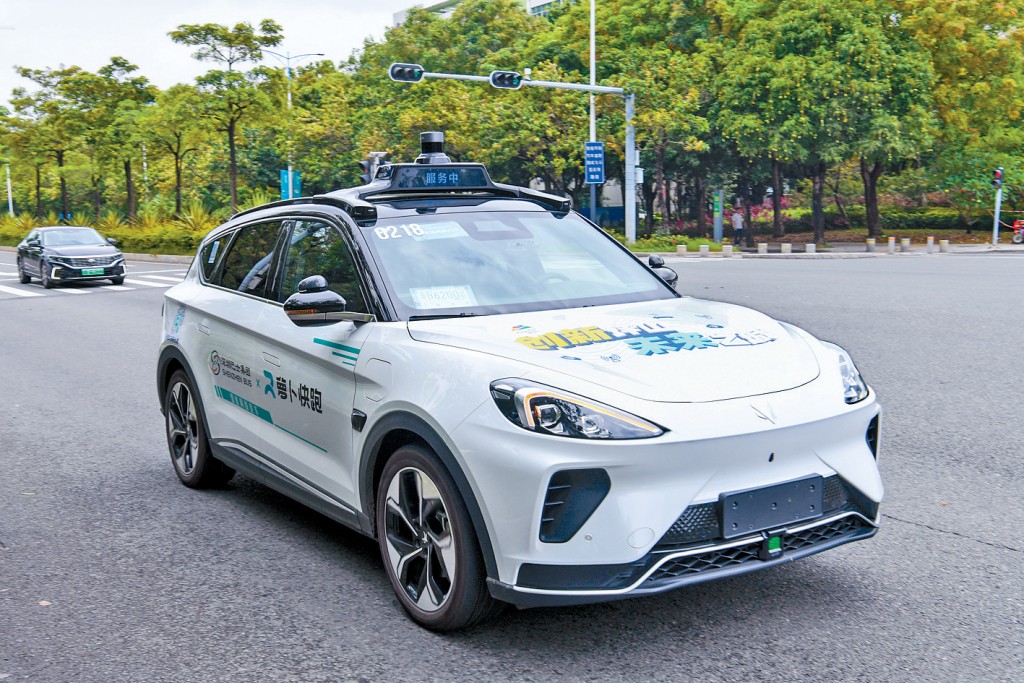
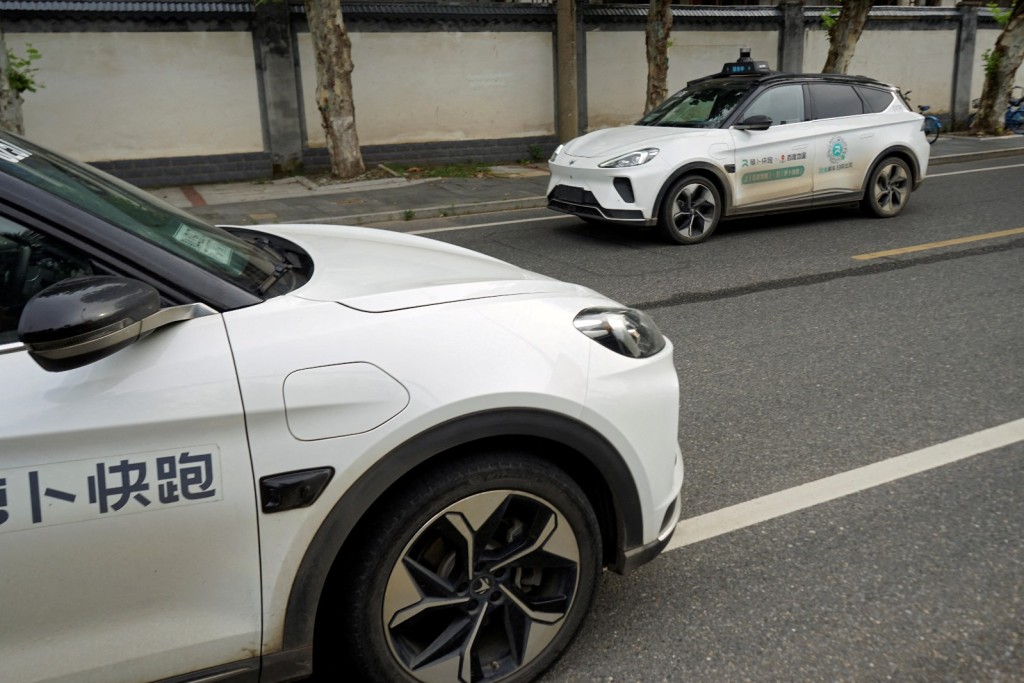
A Baidu autonomous ride-hailing car plunged into a three-meter-deep construction pit in Yongchuan district, Chongqing on August 6, leaving its only passenger unharmed.
Witnesses said the road had been dug up for municipal works and fenced off with barricades and warning signs. It was unclear whether the vehicle struck the barrier before falling.
Bystanders lowered a wooden ladder to help the woman climb out. She was said to be “confused” over how the driverless car ended up in the hole.
Apollo Go, Baidu’s autonomous ride-hailing platform, began operations in Yongchuan on June 10, 2022, and has logged over 100 million km without a liability accident. Baidu said safety was its “top priority” and noted the fleet had logged more than 100 million kilometers in trial operations without a liability accident.
Remote Control via 5G Cloud Drivers
At Baidu’s Yongchuan test base, 5G “cloud safety drivers” can remotely control vehicles via multi-screen pods with a 360-degree view, steering wheel, gear lever, and pedals.
They intervene when unmanned cars face problems, with each driver logging over 1,000 hours of incident-free training. Baidu says the system ensures safety and could reduce accident rates as self-driving becomes more common.
Liability Considerations
China currently has no nationwide regulations governing autonomous vehicles. However, local rules and industry guidelines have established a preliminary liability framework: when a human driver is present, the driver assumes responsibility; when the vehicle operates without a driver, liability falls on the vehicle owner or operator. Most jurisdictions also provide detailed procedures for handling such incidents.