Three American citizens imprisoned for years by China have been released and are returning to the United States, the White House said Wednesday, announcing a rare diplomatic agreement with Beijing in the final months of the Biden administration.
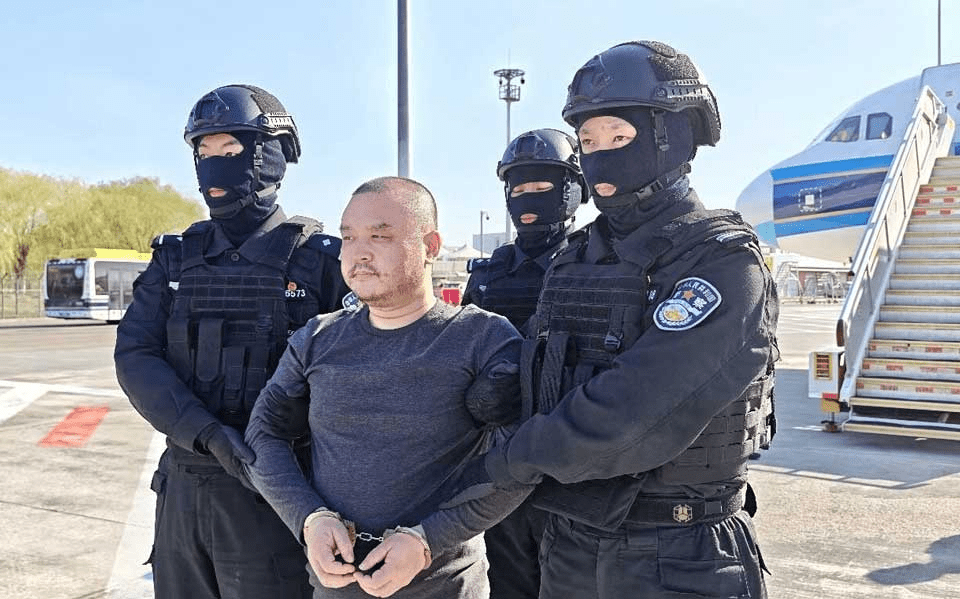
The three are Mark Swidan, Li Kai and John Leung Shing-wan, all of whom had been designated by the U.S. government as “wrongfully detained” by China. Swidan had been facing a death sentence on drug charges while Li and Leung were imprisoned on espionage charges.
“Soon they will return and be reunited with their families for the first time in many years,” the White House said in a statement.
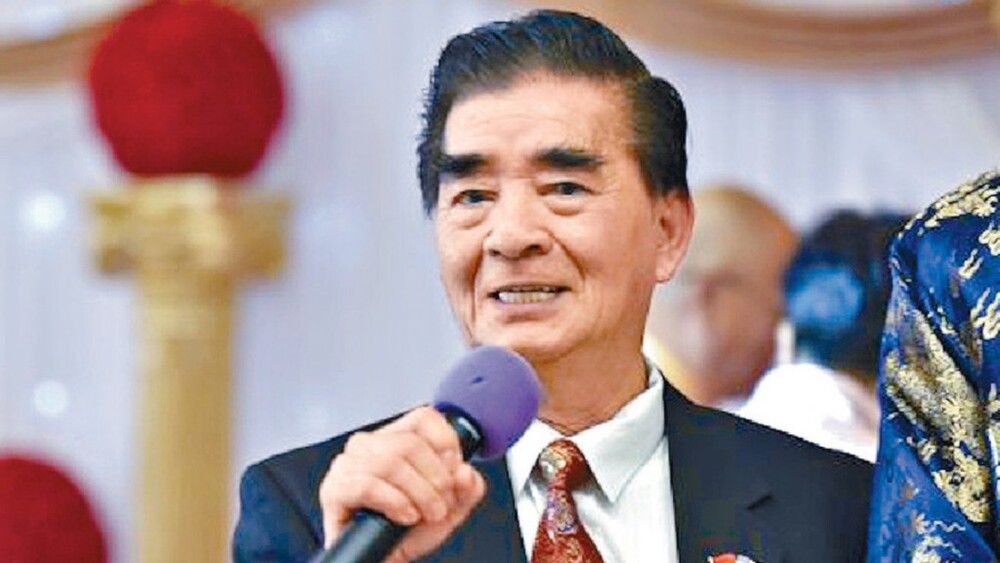
Leung, a Hong Kong-born man with US citizenship, was sentenced last year to life in prison on spying charges. He was detained in 2021, by the local bureau of China’s counterintelligence agency in the southeastern city of Suzhou after China had closed its borders and imposed tight domestic travel restrictions and social controls to fight the spread of COVID-19.
After Leung's sentencing, the U.S. recommended — though without citing specific cases — that Americans reconsider traveling to China because of arbitrary law enforcement and exit bans and the risk of wrongful detentions.
Li, a Chinese immigrant who started an export business in the U.S. and lived in New York, was detained in September 2016 after flying into Shanghai. He was placed under surveillance, interrogated without a lawyer and accused of providing state secrets to the FBI. A U.N. working group called his 10-year prison sentence arbitrary and his family has said the charges were politically motivated.
As for Swidan, he had been jailed for the last 12 years on a drug charge.
The release comes just two months after China freed David Lin, a Christian pastor from California who had spent nearly 20 years behind bars after being convicted of contract fraud.
The release of Americans deemed wrongfully detained in China has been a top agenda item in each conversation between the U.S. and China, and Wednesday’s development suggests a willingness by Beijing to engage with the outgoing Democratic administration before Republican President-elect Donald Trump’s return to the White House in January.
The Biden administration had raised the cases of the detained Americans with China in multiple meetings over the past several years, including this month when Biden spoke to Xi on during the Asia-Pacific Economic Cooperation summit in Peru.
In a separate but related move, the State Department on Wednesday lowered its travel warning to China to “level two,” advising U.S. citizens to “exercise increased caution” from the norm when traveling to the mainland. The alert had previously been at “level three,” telling Americans they should “reconsider travel” to China in part because of the “risk of wrongful detention” of Americans.
The new alert removes that wording but retains a warning that the Chinese government “arbitrarily enforces local laws, including exit bans on U.S. citizens and citizens of other countries, without fair and transparent process under the law.”
U.S.-China relations have been roiled for years over major disagreements between the world’s two largest economies on trade, human rights, the production of fentanyl precursors, security issues that include espionage and hacking, China’s aggressiveness toward Taiwan and its smaller neighbors in the South China Sea, and Beijing’s support for Russia’s military-industrial sector.
Trump took significant actions against China on trade and diplomacy during his first term. He has pledged to continue those policies in his second term, leading to unease among many who fear that an all-out trade war will greatly affect the international economy and could spur potential Chinese military action against Taiwan.
Still, the two countries have maintained a dialogue that has included a partial restoration of military-to-military contacts. President Joe Biden and Chinese leader Xi Jinping met this month to discuss potential improvements.
(Staff reporter and AP)
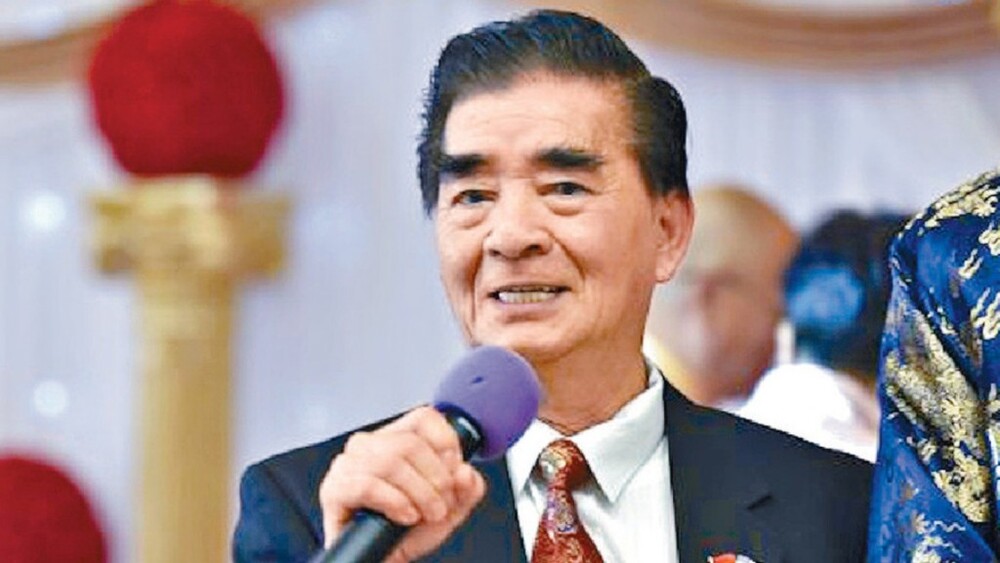
John Leung Shing-wan (File Photo)
Li Kai (File Photo)








![A Kinetica 1-Y5 commercial carrier rocket with 15 satellites onboard blasts off from a commercial aerospace innovation pilot zone in Northwest China, Nov 11, 2024. [Photo/Xinhua]](https://image.hkstandard.com.hk/f/1024p0/0x0/100/none/9d75efaf2880111bc04de3f4e79a2647/2026-04/v.jpg)