Recent high-level meetings have helped improve the China-US relationship, a top Beijing official said before an expected meeting between Xi Jinping and Joe Biden next week.
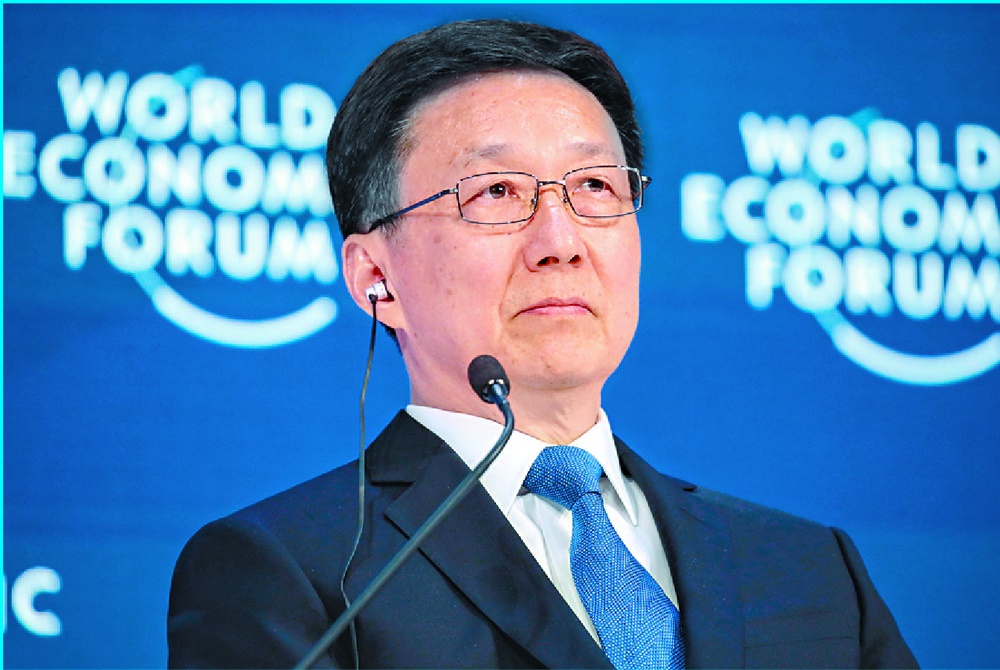
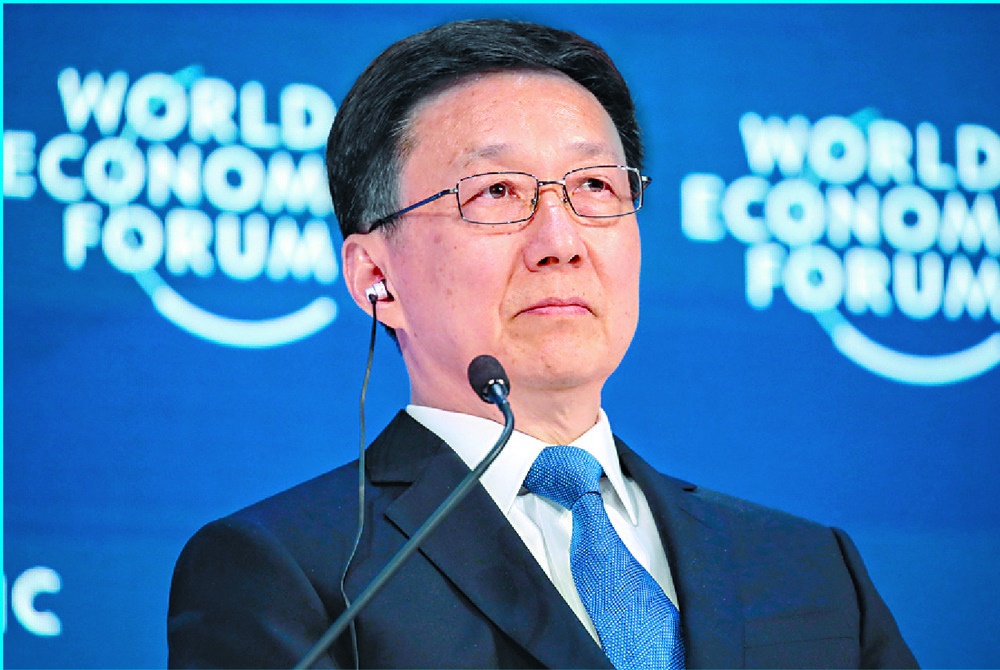
The sitdowns “have sent out positive signals and raised the expectations of the international community on the improvement of China-US relations,” Vice President Han Zheng said Wednesday at the Bloomberg New Economy Forum in Singapore. The comments come after the nations traded visits by a host of top officials in recent months.
“A stable and sound China-US relationship is the common expectation of all sectors in our two countries and the international community as a whole,” he said. “We’re ready to strengthen communication and dialogue with the US at all levels.”
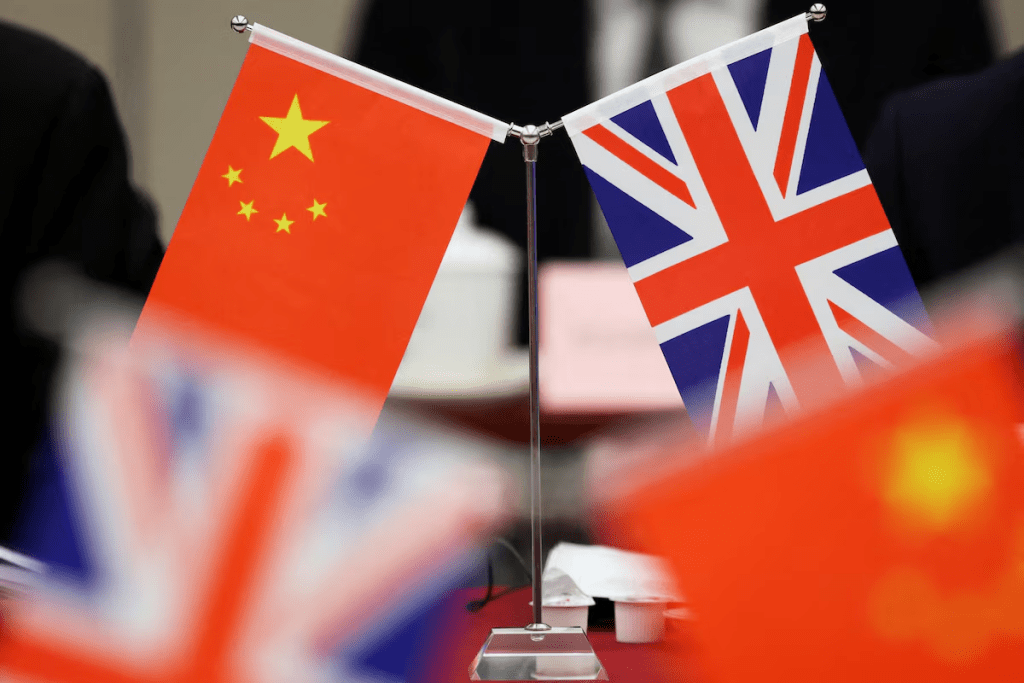
Han’s remarks underscore the recent improvement in ties between the nations, which have been feuding over Taiwan, restrictions on tech transfers, alleged spying and more. Xi is expected to meet Biden on the sidelines of the Asia-Pacific Economic Cooperation summit in San Francisco. Those would be their first talks in a year and could firm up the recent stabilizing of relations.
The Chinese leader is also set to attend a dinner with top US business executives during the trip, according to people familiar with the matter. Western executives in China are increasingly nervous about doing business there due to a growing list of headaches ranging from geopolitical tensions and a slowing economy to detention of employees.
Both sides have reasons now to reduce the turbulence. Biden is seeking stability as he gears up for an election next year, while China wants to attract more foreign investment to reinvigorate its slowing economy. In a sign of China’s desire for a better relationship, the People’s Daily, the Communist Party mouthpiece, recently said “the two countries should be partners rather than adversaries.”
In his remarks Wednesday, Han called on the US and China to find a way to get along, saying that “the world is big enough for the two countries to develop themselves and prosper together.”
He reiterated China’s opposition to nations erecting barriers between themselves and the world’s second-biggest economy, saying that “decoupling, severing industrial supply chains and so-called ‘derisking’ will all only divide the global economy into many isolated islands.”
Starting in June, the US has sent at least four cabinet-level officials to Beijing. Chinese Foreign Minister Wang Yi then traveled to Washington in late October, meeting Biden and other top officials.
Those meetings spurred more detailed discussions on points of friction between the nations. Last week, the US and China held their first talks on issues focused solely on maritime issues since September 2019. That topic has taken on greater urgency because both sides have accused each other of military provocations in the South China Sea.
On Monday, officials from the US and China discussed arms control and nonproliferation issues in Washington. It’s rare for the two side to hold talks on those topics, and they come amid growing concern in Washington over Beijing’s push to build up its arsenal of atomic weapons.
Secretary of Defense Lloyd Austin is also making another attempt to meet with his Chinese counterpart this month. That’s an effort to resume top military-to-military meetings that China cut off after then-House Speaker Nancy Pelosi visited Taiwan in August 2022, prompting the People’s Liberation Army to send missiles over the island of some 23 million people.
Austin’s office formally requested a sitdown at the upcoming Asean Defense Ministers Meeting-Plus in Jakarta, Indonesia, even though China has yet to name a replacement for its ousted defense minister Li Shangfu. Austin wanted a meeting with Li earlier this year but China refused, saying the US must first lift financial sanctions imposed on him in 2018 over weapons sales to Russia.
Bloomberg
File photo