Read More








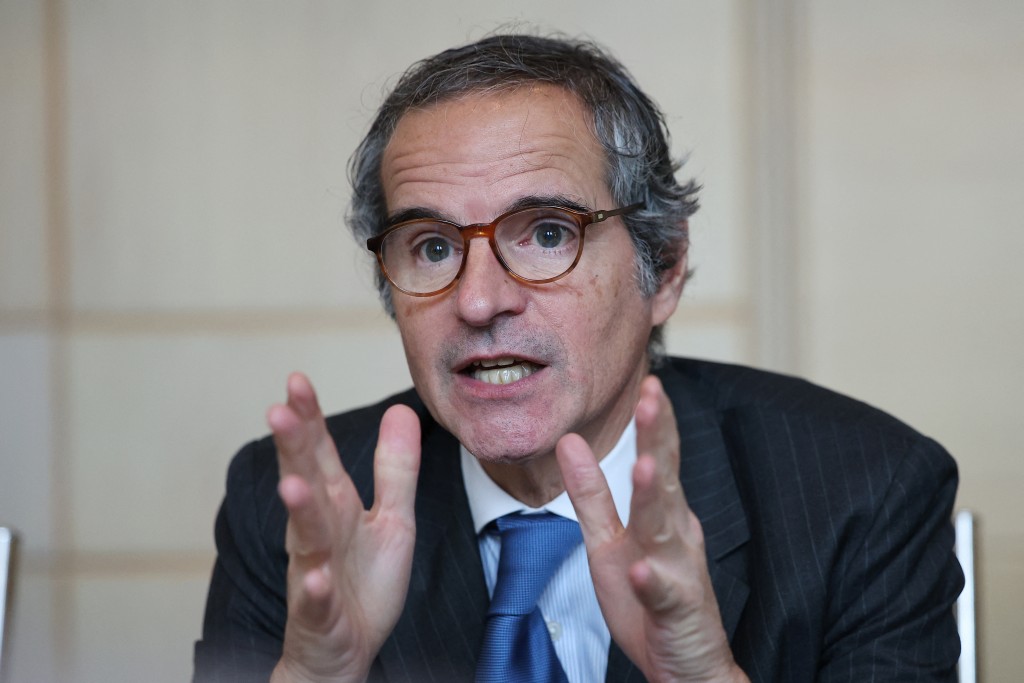






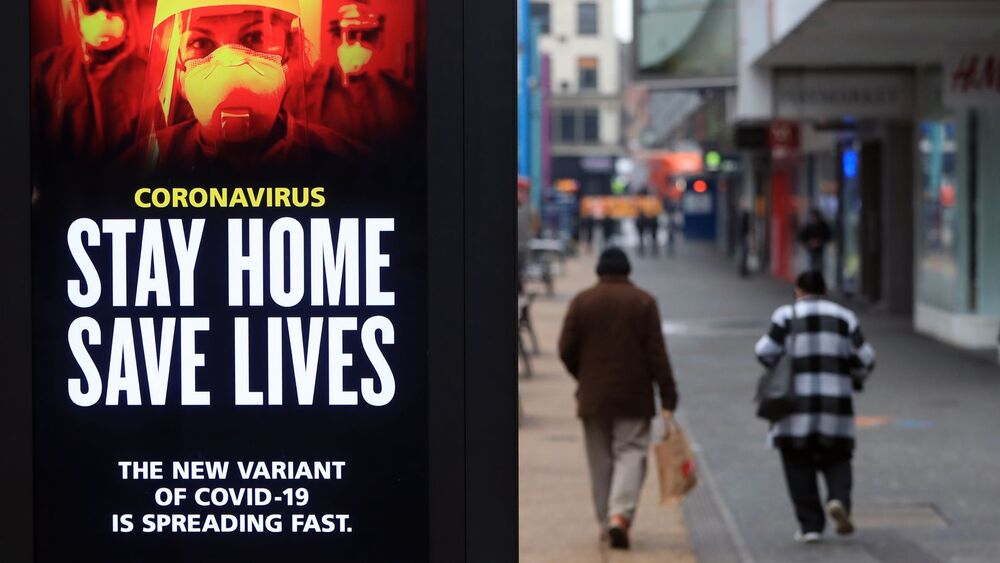
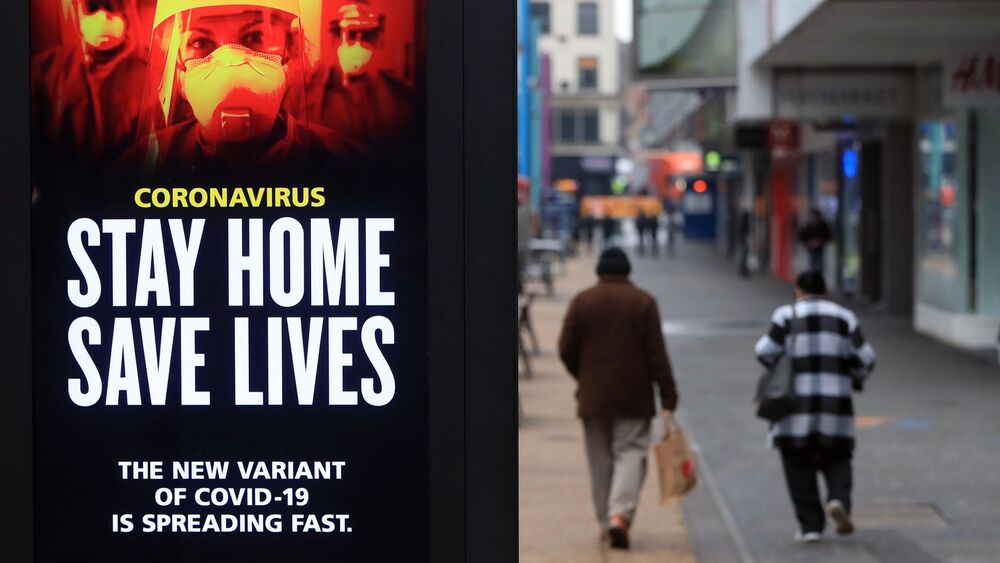
British Prime Miinister Boris Johnson has said his plan for lifting England's coronavirus lockdown is for there to be "cautious but irreversible" progress in easing restrictions, Sky News reports.
"We've got to be very prudent and what we want to see is progress that is cautious but irreversible," the prime minister said on his plan for easing measures.
"I think that's what the public and people up and down the country will want to see. Progress that is cautious but irreversible."
He said that "too many people are dying" after contracting the virus, and while rates of infections are "coming down" they remain "comparatively high".
Johnson will set out his roadmap out of lockdown on 22 February - and he said the aim was for the plan to include the earliest possible dates for reopening different sectors of the economy.
"If we possibly can, we'll be setting out dates," Johnson said.
"The dates that we will be setting out will be the dates by which we hope we can do something at the earliest, if you see what I mean - so it's the target date by which we hope to do something at the earliest.
"If, because of the rate of infection, we have to push something off a little bit to the right - delay it for a little bit - we won't hesitate to do that."
Getting pupils back in the classroom is the government's priority as lockdown is eased, with the PM saying ministers "will do everything we can" to ensure that happens on 8 March.
Johnson said a decision had not yet been made on whether there will be a full return or a staggered approach.
The PM's spokesman told a regular Westminster briefing for journalists that it was the government's intention to "start getting kids back to school from March 8" but did not rule out them returning in stages.
He added that ministers would be looking at a "whole range of evidence and data" this week ahead of the publication of the plan for easing lockdown
"We're looking at infection rates, and the transmission rates of the virus across the country, the number of people that are being hospitalised, the number of people who are currently in hospital, the number of people who are sadly going on to die from the virus, alongside the latest R rate, and the impact that the vaccination programme is having on transmission rates of the virus," they said.