Read More











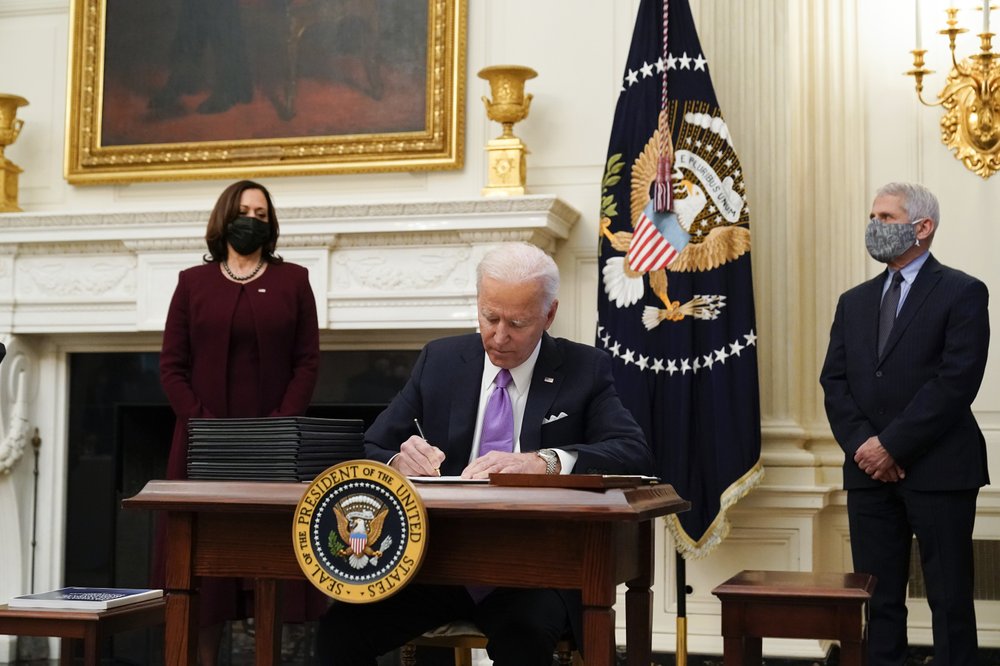
President Joe Biden plans to take executive action Friday to provide a stopgap measure of financial relief to millions of Americans while Congress begins to consider his much larger US$1.9 trillion package to help those affected by the coronavirus pandemic.
The two executive orders that Biden is to sign would increase food aid, protect job seekers on unemployment and clear a path for federal workers and contractors to get a US$15 hourly minimum wage.
“The American people cannot afford to wait,” said Brian Deese, director of the White House National Economic Council. “So many are hanging by a thread. They need help, and we’re committed to doing everything we can to provide that help as quickly as possible.”
Deese emphasized that the orders are not substitutes for the additional stimulus that Biden says is needed beyond the US$4 trillion in aid that has already been approved, including US$900 billion this past December. Several Republican lawmakers have voiced opposition to provisions in Biden’s plan for direct payments to individuals, state and local government aid and a US$15 hourly minimum wage nationwide.
Most economists believe the United States can rebound with strength once people are vaccinated from the coronavirus, but the situation is still dire as the disease has closed businesses and schools. Nearly 10 million jobs have been lost since last February, and nearly 30 million households lack secure access to food.
One of Biden’s orders asks the Agriculture Department to consider adjusting the rules for food assistance, so that the government could be obligated to provide more money to the hungry.
Children who are unable to get school meals because of remote learning could receive a 15 percent increase in food aid, according to a fact sheet provided by the White House. The lowest-income households could qualify for the emergency benefits from the Supplemental Nutrition Assistance Program. And the formula for calculating meal costs could become more generous.
The order also tries to make it easier for people to claim direct payments from prior aid packages and other benefits. In addition, it would create a guarantee that workers could still collect unemployment benefits if they refuse to take a job that could jeopardize their health.
Biden’s second executive order would restore union bargaining rights revoked by the Trump administration, protect the civil service system and promote a US$15 hourly minimum wage for all federal workers. The Democratic president also plans to start a 100-day process for the federal government to require its contractors to pay at least US$15 an hour and provide emergency paid leave to workers, which could put pressure on other private employers to boost their wages and benefits.
These orders arrive as the Biden White House has declined to provide a timeline for getting its proposed relief package through, saying that officials are beginning to schedule meetings with lawmakers to discuss the proposal.-AP