Read More
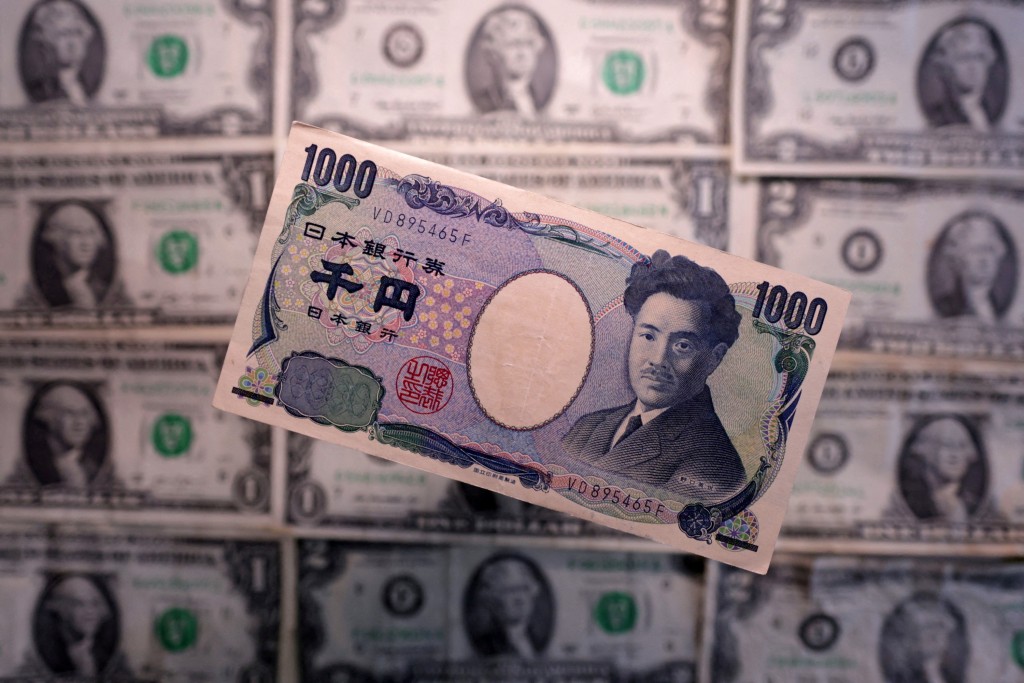
China's central bank will not allow sharp yuan declines and has asked major state-owned banks to reduce US dollar purchases, people with direct knowledge of the matter said on Wednesday.
ADVERTISEMENT
SCROLL TO CONTINUE WITH CONTENT
The directive from authorities comes as the yuan faces heavy downward pressure following massive US tariffs on Chinese exports and retaliatory moves by Beijing.
The People's Bank of China (PBOC) sent the window guidance, which is its informal style for managing policy around markets, to state banks this week, asking them to withhold US dollar purchases for their proprietary accounts, three sources said.
Big banks were also told to step up checks when executing dollar purchase orders for their clients, one of them said, in a move markets interpret as a way for the central bank to curb speculative trades.
The country's big state banks were seen selling dollars and buying yuan aggressively to slow the pace of yuan declines in the onshore spot market on Wednesday, two separate sources said.
China's yuan has lost about 1.3 percent so far this month and was last at 7.35 per dollar on Wednesday, while its offshore counterpart hit a record low overnight.
Additionally, China's central bank will not resort to yuan devaluation to soften the blow from tariffs on exports and the broad economy, three policy advisers and another banker familiar with the central bank's thinking told Reuters.
"A sharp depreciation will not happen as that could hurt market confidence, but a modest depreciation will help exports," said one of the policy advisers.
"We should also assist key enterprises through subsidies, tax rebates, or market diversification."
The PBOC's focus on steady yuan moves comes even as the worsening US trade war severely challenges the competitiveness of China's massive export sector, suggesting financial market stability remains the priority.
The PBOC did not immediately respond to a request by Reuters for comment. All the sources spoke on condition of anonymity, as they were not authorised to talk about market matters publicly.
REUTERS