Read More
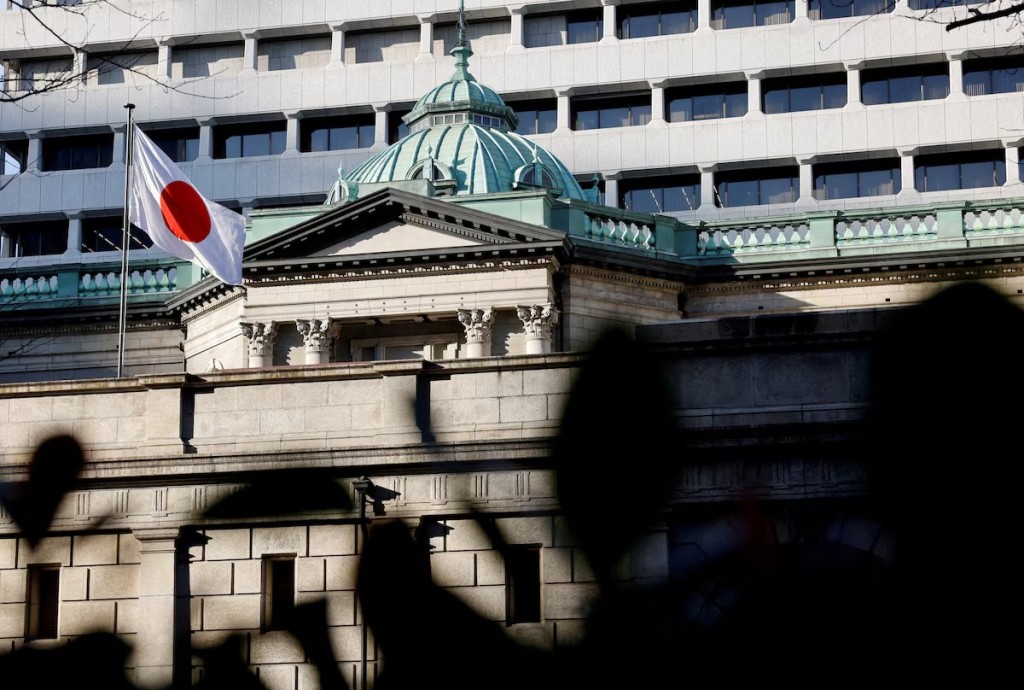
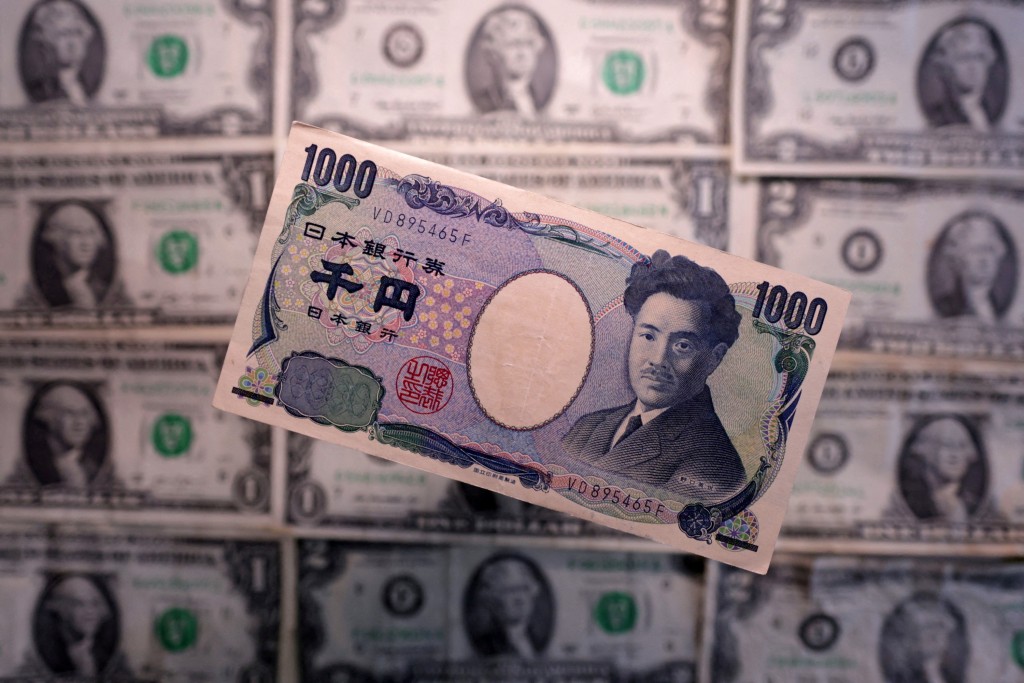



Bank of Japan officials are likely to discuss raising their inflation outlook at a policy meeting later this month, although no rate decision has been made yet at this point, according to people familiar with the matter.
The officials will probably talk about upgrading projections for inflation excluding fresh food and energy for this fiscal year and next, according to the people. That’s mainly due to a recent surge in the cost of rice and the weakening of the yen since the last outlook report in October, the people said.
The yen strengthened against the dollar to around 157.80 following this report, after earlier trading around 158.40.
The BOJ currently sees the underlying price gauge rising 2 percent this fiscal year, 1.9 percent next year, and 2.1 percent the year after. Upgrades to that view would bring the forecasts consistently at or above the key level of 2 percent, potentially supporting an argument to raise rates if the BOJ decides to take action.
The BOJ is widely expected by market participants to debate whether an interest rate hike is warranted at the upcoming policy meeting held Jan. 23-24.
Governor Kazuo Ueda has emphasized two key factors in deciding whether to raise rates: the momentum of spring wage increases and uncertainties in US economic policy with the start of a new Donald Trump administration. This suggests the BOJ won’t raise rates based only on higher inflation forecasts.
While authorities continue to see inflation moving largely in line with their expectations, a decision on whether the benchmark rate should be raised from 0.25 percent will be made after careful assessment of data and information before delivering their policy decision, the people said.
The price of rice began to jump around the middle of last year on a variety of factors including a bad harvest and tourism demand. In the latest government report for November, it rose by 63.6 percent, the most in data going back to 1971.
BOJ officials see that there has been progress toward achieving their stable 2 percent inflation target, with businesses passing their labor costs onto prices. They continue to see price growth being consistent with its goal in the latter half of its three year projection period through March 2027, the people said.
Private economists have higher inflation estimates than the central bank. Analysts see an increase of 2.2 percent for this fiscal year and 2 percent in the next, according to a Bloomberg survey last month.
For the outlook of inflation excluding only fresh food, BOJ officials see inflation being slightly pushed down for a few months at the end of fiscal 2024, due to the government reinstating energy subsidies. That government move is then likely to boost inflation in the following year, according to the people.
(Bloomberg)