Read More
Venorica Lee
ADVERTISEMENT
SCROLL TO CONTINUE WITH CONTENT
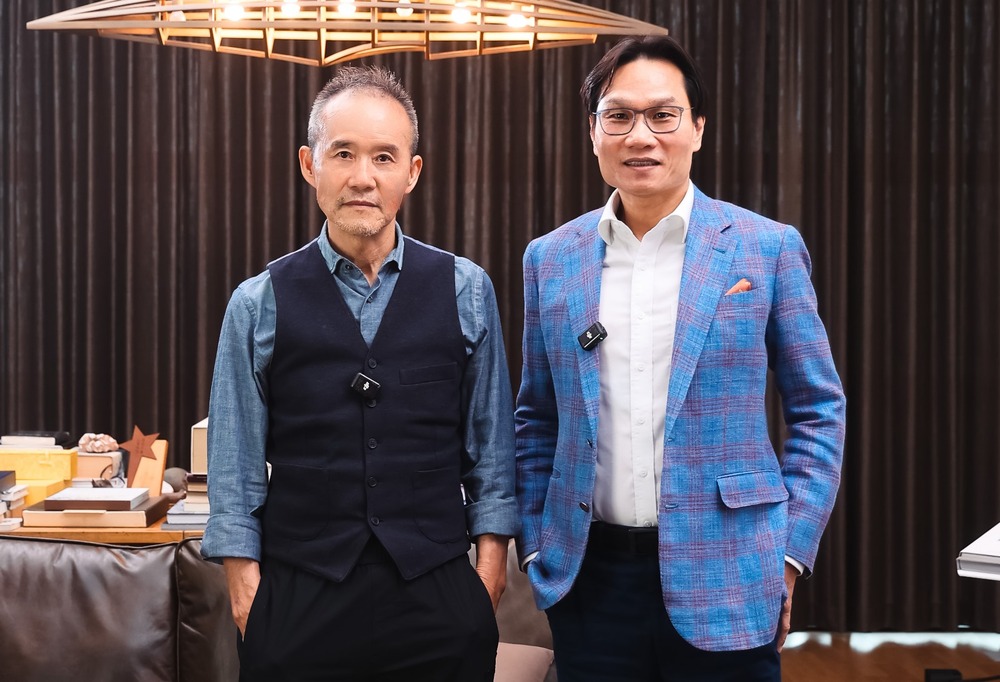
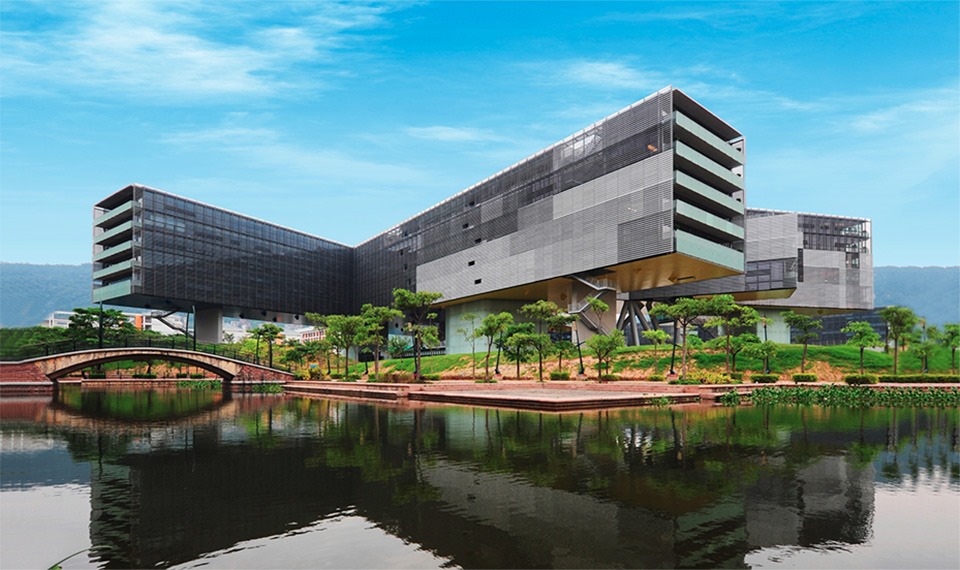
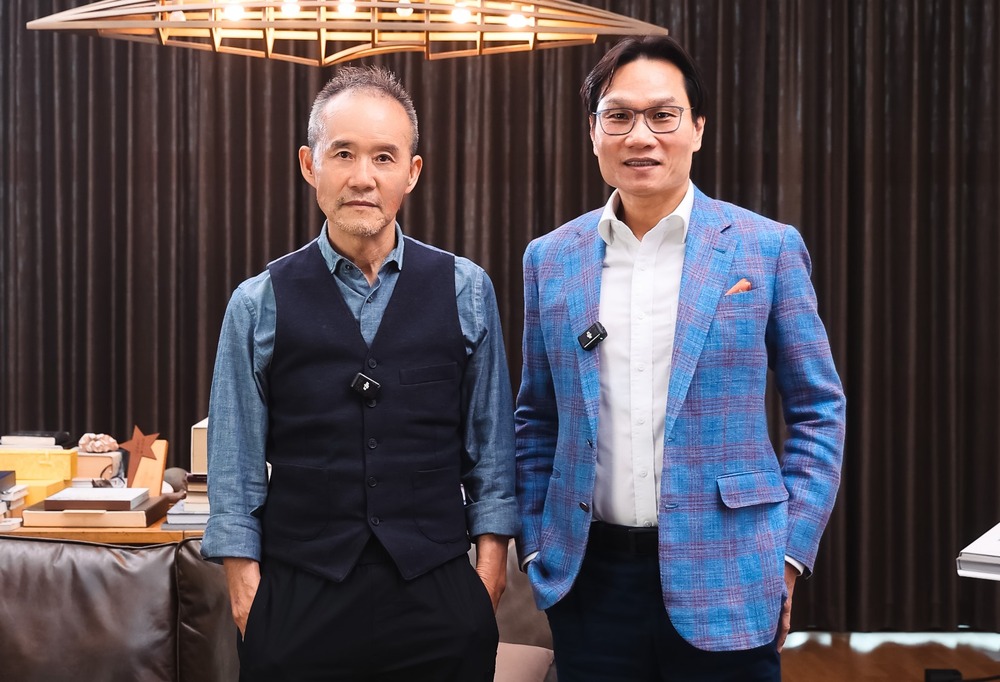
Recently, I had the privilege of visiting Biosphere 3 and speaking with Mr. Wang Shi, the esteemed founder of Vanke, Chairman of the Vanke Foundation, and Founder of DeepRock Group. As a trailblazer in China’s sustainability initiatives, Wang Shi shared insights into his latest endeavor, Biosphere 3, a project that redefines how cities can coexist with nature while pursuing ambitious carbon-neutral goals. Our conversation explored the inspirations behind this project, its milestones, and its broader implications.
I approached this interview wearing multiple hats: as Chairman of the Judges Committee for the 2023 Forbes China ESG Innovation Enterprise Selection Summit, as Founder and Chairman of Norwich Capital Limited, and as someone the media has dubbed “Asia’s SPAC Godfather” for my extensive work in structuring special-purpose acquisition companies. This unique lens made me particularly eager to explore the financial and ecological strategies behind Biosphere 3.
Jason Wong: You’ve long championed green building practices through Vanke. What inspired you to create Biosphere 3?
Wang Shi: The seeds were sown in 2002 during a climb of Mount Kilimanjaro. To my surprise, the snow that once blanketed the summit year-round was gone. This stark sign of global warming drove home the urgency of sustainability. It made me ask whether real estate, an industry so intertwined with environmental impact, could evolve toward greener practices. Vanke’s journey began with support from Greenpeace and WWF, culminating in initiatives like the Shenzhen Mangrove Wetlands Conservation Foundation. Hong Kong’s Mai Po Nature Reserve played a significant role, teaching us about balancing conservation with urban development. Biosphere 3 builds on these lessons, setting a new standard for sustainable communities.
Jason Wong: I’m particularly drawn to Biosphere 3’s approach to biodiversity. How does it integrate ecological harmony into urban life?
Wang Shi: Biodiversity isn’t just for distant reserves. Cities play a critical role. At Biosphere 3, we’ve taken steps to ensure urban biodiversity thrives. Wildlife corridors for small species like foxes and weasels integrate habitats within the cityscape. Rooftop beekeeping gardens and butterfly valleys filled with nectar-rich flora provide havens for pollinators. These measures don’t just support ecosystems—they create healthier, more vibrant urban environments.
Jason Wong: China’s first “Four Zeros” McDonald’s—achieving zero carbon, energy, waste, and water—opened at Biosphere 3. How did the project contribute to this milestone?
Wang Shi: Biosphere 3 provided the necessary infrastructure. Our recycling systems transform organic waste into fertilizer using black soldier flies, while landscaping waste is composted using adapted traditional methods. These innovations, combined with closed-loop water systems, dramatically reduce resource consumption. The McDonald’s is a perfect example of how businesses can integrate sustainability goals into their operations when the foundation is already in place.
Jason Wong: ESG principles are increasingly essential, but implementation can be complex for businesses. How does Biosphere 3 help address these challenges?
Wang Shi: By offering turnkey solutions. Businesses entering Biosphere 3 don’t need to build sustainability systems from scratch—they can tap into the existing infrastructure. Retailers here align with carbon-neutral goals effortlessly, benefiting from our integrated recycling and green energy systems. It’s a practical model that makes ESG adoption not just achievable but economically sensible.
Jason Wong: Having worked on numerous SPACs and ESG-focused investments, I know scalability is critical. How has Biosphere 3 managed to keep costs manageable while ensuring replicability?
Wang Shi: That’s a core strength. Biosphere 3 focuses on retrofitting consumption systems, which are more cost-effective than large-scale infrastructure investments. Microgrids, rooftop solar panels, and energy storage systems integrate seamlessly, keeping costs manageable. Phase one surpassed expectations, achieving 85% green energy usage in 2022 and nearing profitability within five years. The project’s scalability allows us to replicate it across China while maintaining economic feasibility.
Jason Wong: What’s next for Biosphere 3, and how do you see it shaping urban development in China?
Wang Shi: Phase two will push us beyond Shenzhen’s ambitious carbon-neutral benchmarks. Our broader goal is to create a replicable model for urban renewal, offering consulting, operational support, and carbon asset management. In time, this framework can be adapted globally, helping cities transition to sustainability in a commercially viable way.
Post-Interview Reflections and Insights
For the past decade, we’ve been at the forefront of investment and SPAC mergers, with ESG and carbon neutrality as core focuses. We’ve observed companies across various sectors making relentless strides in these areas, and we’re witnessing the positive impact of technological progress and innovation on people and the planet. Examples include breakthroughs in biological strains that convert waste into organic fertilizer, the replacement of petroleum-based materials with biodegradable alternatives to enhance resource recycling and environmental protection, and synthetic biology, which not only reduces fossil fuel reliance but also offers potential for improved performance and cost savings. In renewable energy, advancements in industrial and commercial energy storage, solid and semi-solid-state batteries, perovskite solar cells, green hydrogen, and hydrogen fuel cells are transforming the field. Communities are the foundational unit of urban governance, and Mr. Wang Shi’s pioneering work with Biosphere 3 demonstrates how community “renewal” can serve as a blueprint for carbon-neutral urban areas, integrating green energy, waste recycling, and biodiversity. This model shows a highly economical and scalable approach, with significant potential for broader application. I want to express my respect for Mr. Wang and look forward to seeing Biosphere 3’s influence expand across China’s urban communities and campuses, supporting a rapid transition to low-carbon, sustainable urban development and bringing China closer to achieving its carbon-neutral goals.