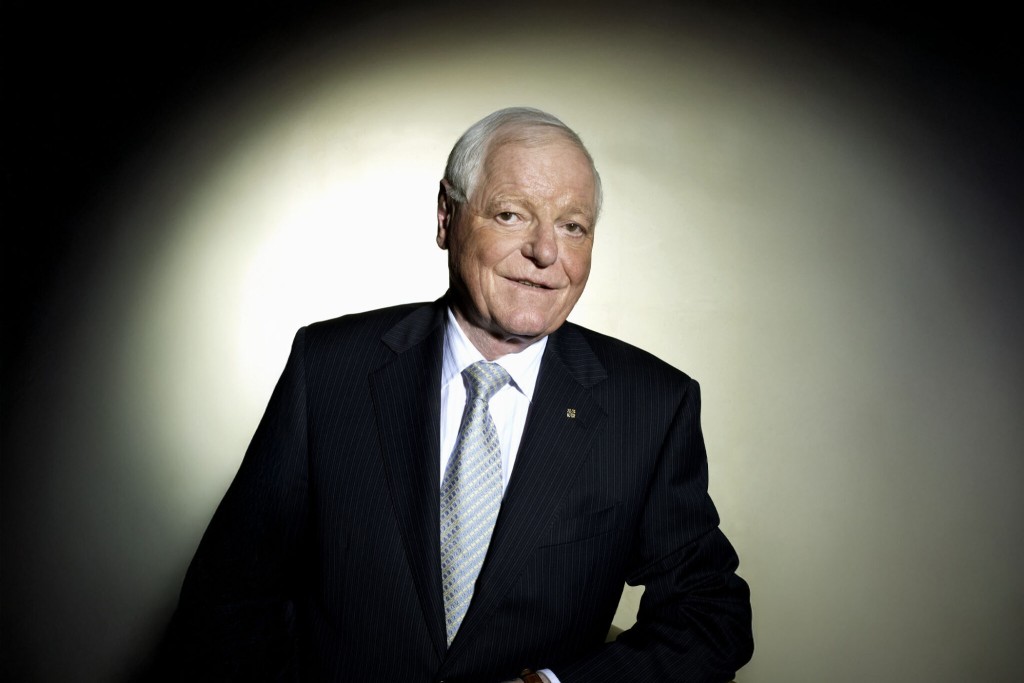
Few figures in modern watchmaking understood the weight of time like Philippe Stern. To him, a watch was never just an object of precision, but a vessel of memory, craftsmanship and continuity – values that came to define Patek Philippe under his stewardship.
Born in Geneva in 1938, Stern joined the family business after studying economics. His early training was deliberately practical. Sent to New York in the 1960s to work at the Henri Stern Watch Agency, he learned distribution, operations and customer service before returning to Geneva to understand the manufacture from the inside out.
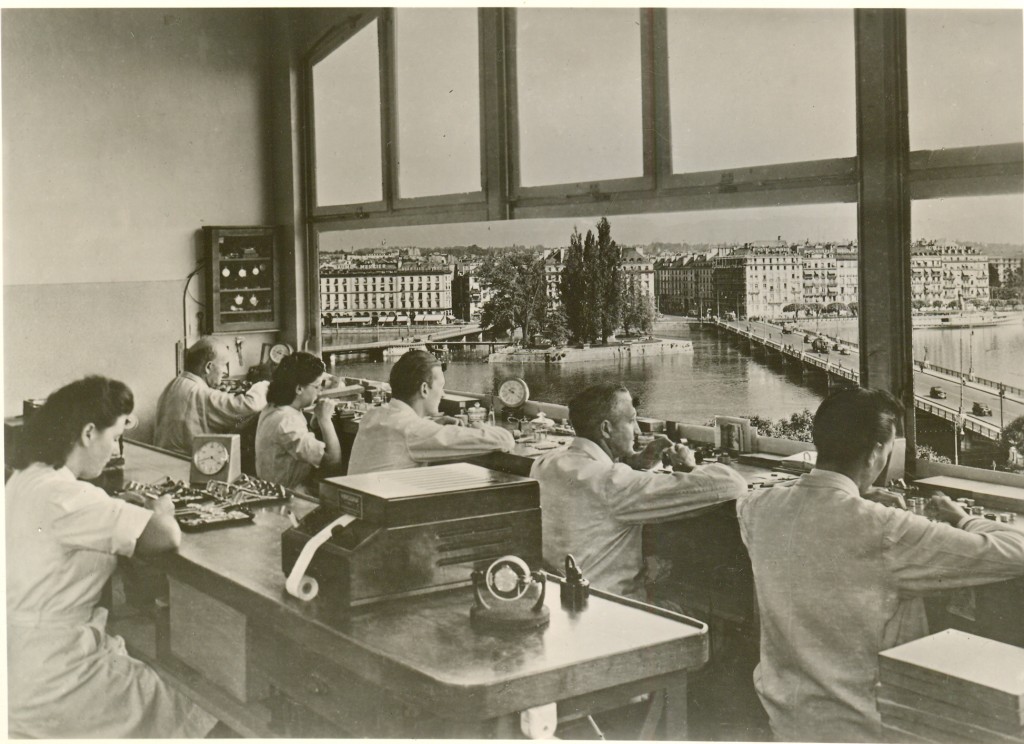
Patek Philippe’s watchmaking workshops in the 1950s. (Patek Philippe)
That grounding proved decisive when he became managing director in 1977, at the height of the quartz crisis.
As inexpensive electronic watches swept across the market and many Swiss maisons faltered, Stern refused to chase volume or compromise on price. Instead, he invested in mechanical watchmaking, rare handcrafts and technical ambition.
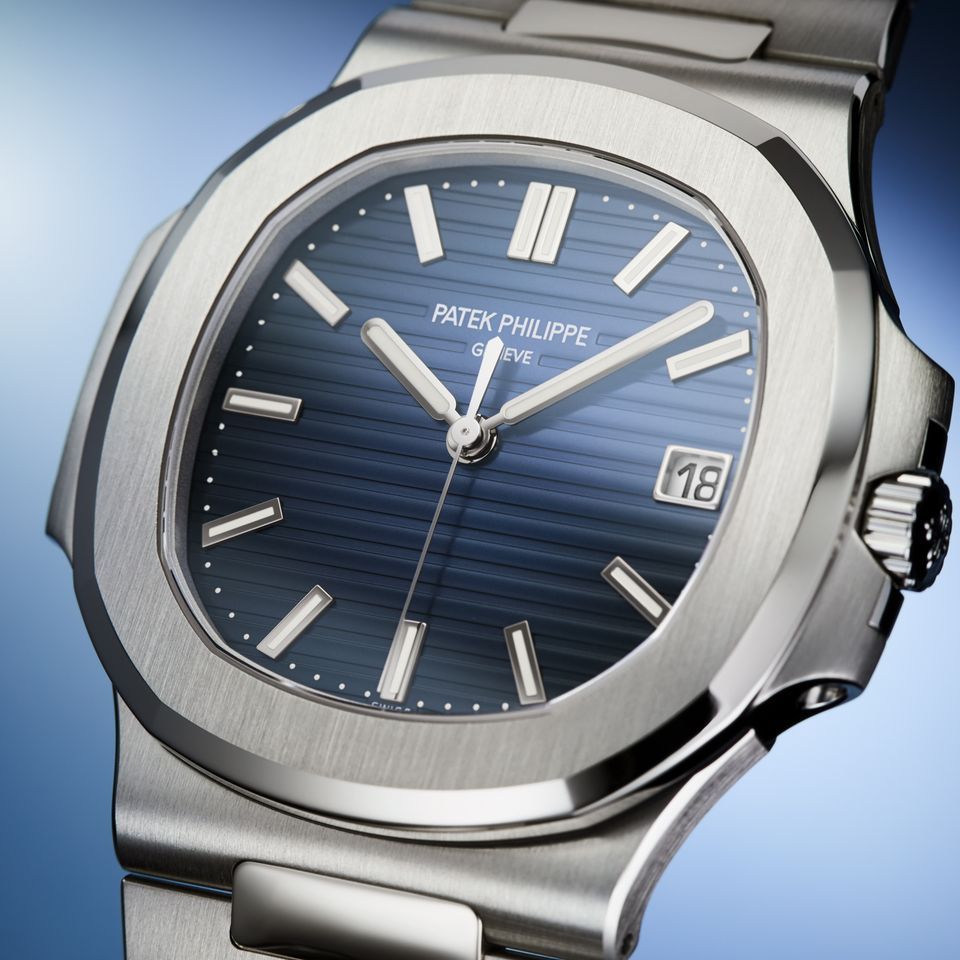
The Nautilus Ref 3700, introduced in 1976, was an early expression of that confidence.
First introduced in 1976, the Nautilus marked a new chapter for the maison. New versions released this year continue to attract keen attention from watch collectors. (Patek Philippe)
Made in stainless steel rather than precious metal, its sporty silhouette offered a modern interpretation of luxury without sacrificing the depth of traditional horology. It would become one of the maison’s most recognizable creations.
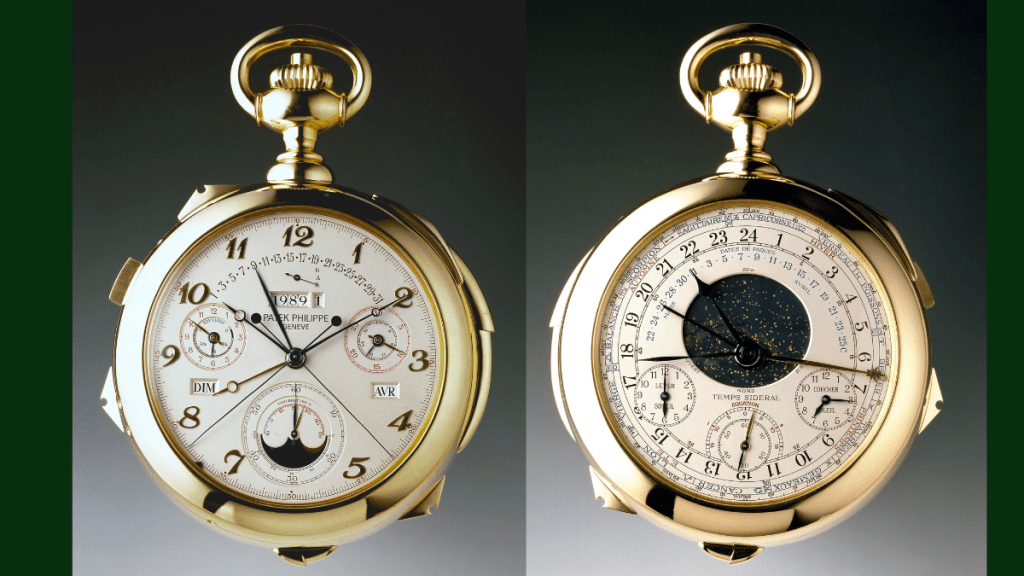
Stern’s appetite for complexity reached a new height in 1989 with the Calibre 89, created for Patek Philippe’s 150th anniversary.
The Calibre 89 pocket watch caused a sensation upon its unveiling. (Patek Philippe)
Featuring 33 complications, the pocket watch was both a technical triumph and a statement of intent: mechanical watchmaking still had unexplored frontiers.
After becoming president in 1993, Stern turned his attention to the future of the manufacture itself. In 1996, he consolidated Patek Philippe’s scattered workshops at Plan-les-Ouates, bringing research, production and assembly under one roof.
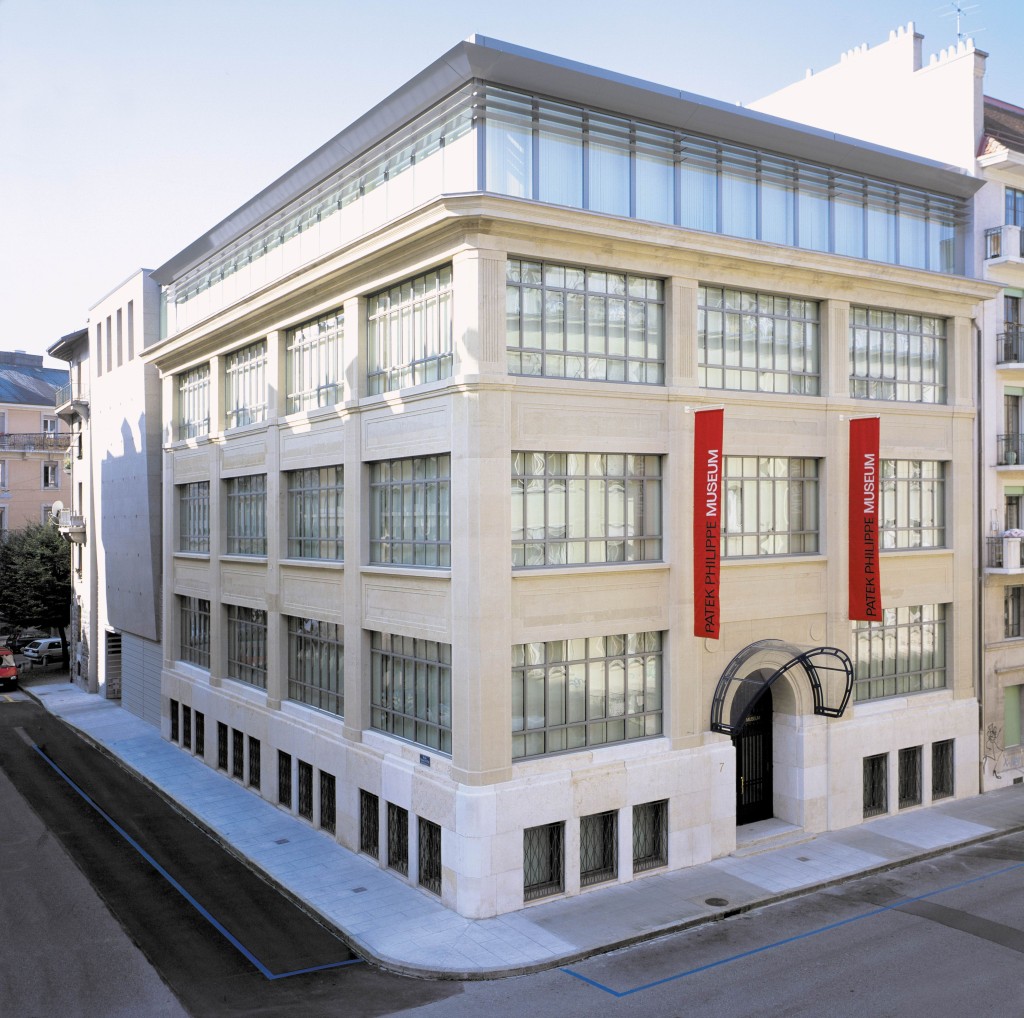
His devotion to horological culture was equally evident in the Patek Philippe Museum, which opened in Geneva in 2001 and traces five centuries of watchmaking.
The Patek Philippe Museum houses exceptional timepieces spanning 500 years of watchmaking history. (Patek Philippe)
In 2009, the maison introduced the Patek Philippe Seal, extending quality standards beyond the movement to the whole watch and lifelong servicing.
Following his passing in June this year, Stern leaves behind far more than a portfolio of celebrated timepieces. His enduring legacy lies in the values he protected: independence, patience, innovation and the conviction that true luxury is made to outlast its owner.