M+ unveiled the first exhibition to comprehensively trace the trajectories and impacts in Asia of Robert Rauschenberg, one of the most significant painters and graphic artists of the 20th century, opening to the public on Saturday.
By incorporating everyday objects and mass media images into his work, Rauschenberg redefined artistic boundaries and profoundly influenced the development of pop art, conceptual art, and installation art.
This exhibition is also part of a year-long series of global activities celebrating the centennial of the artist’s birth. Featuring assemblage, sculpture, photography, drawing, prints, textiles, and archival materials, it presents Rauschenberg’s travels and exhibitions between 1964 and 1990.
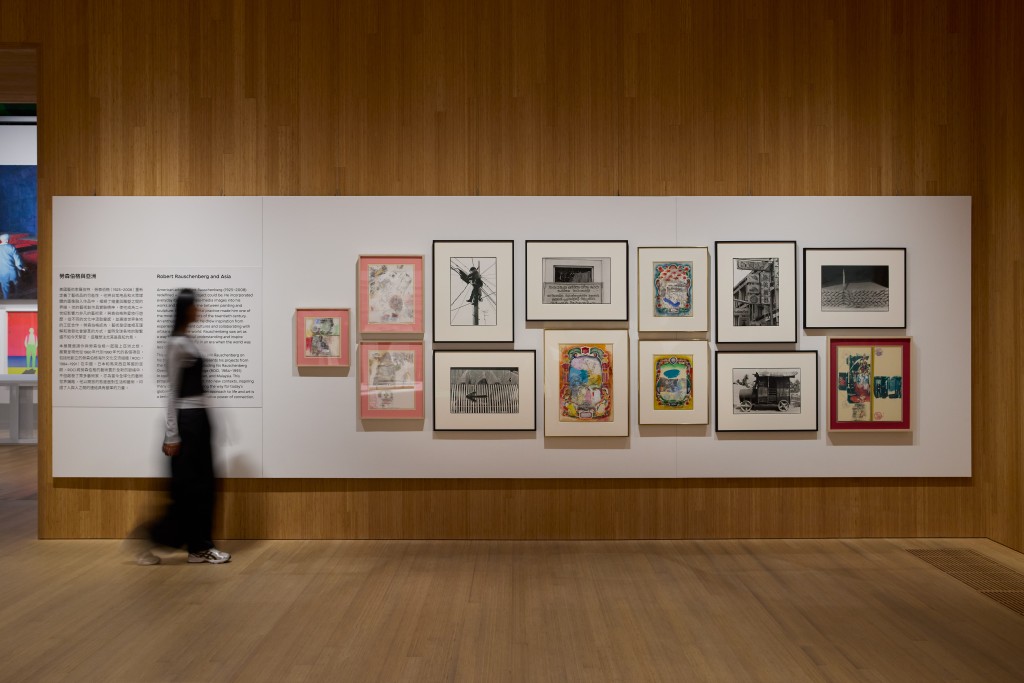
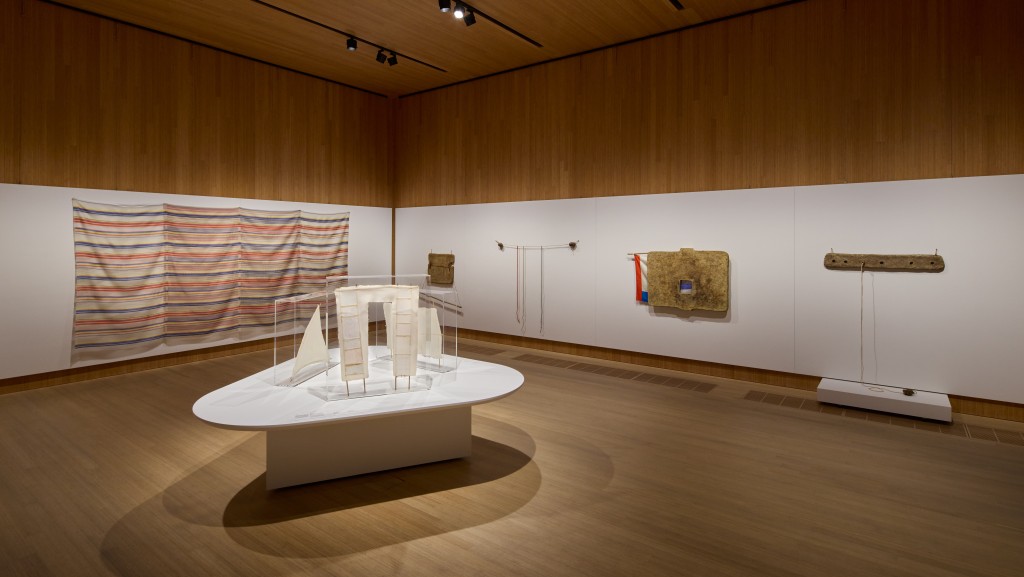
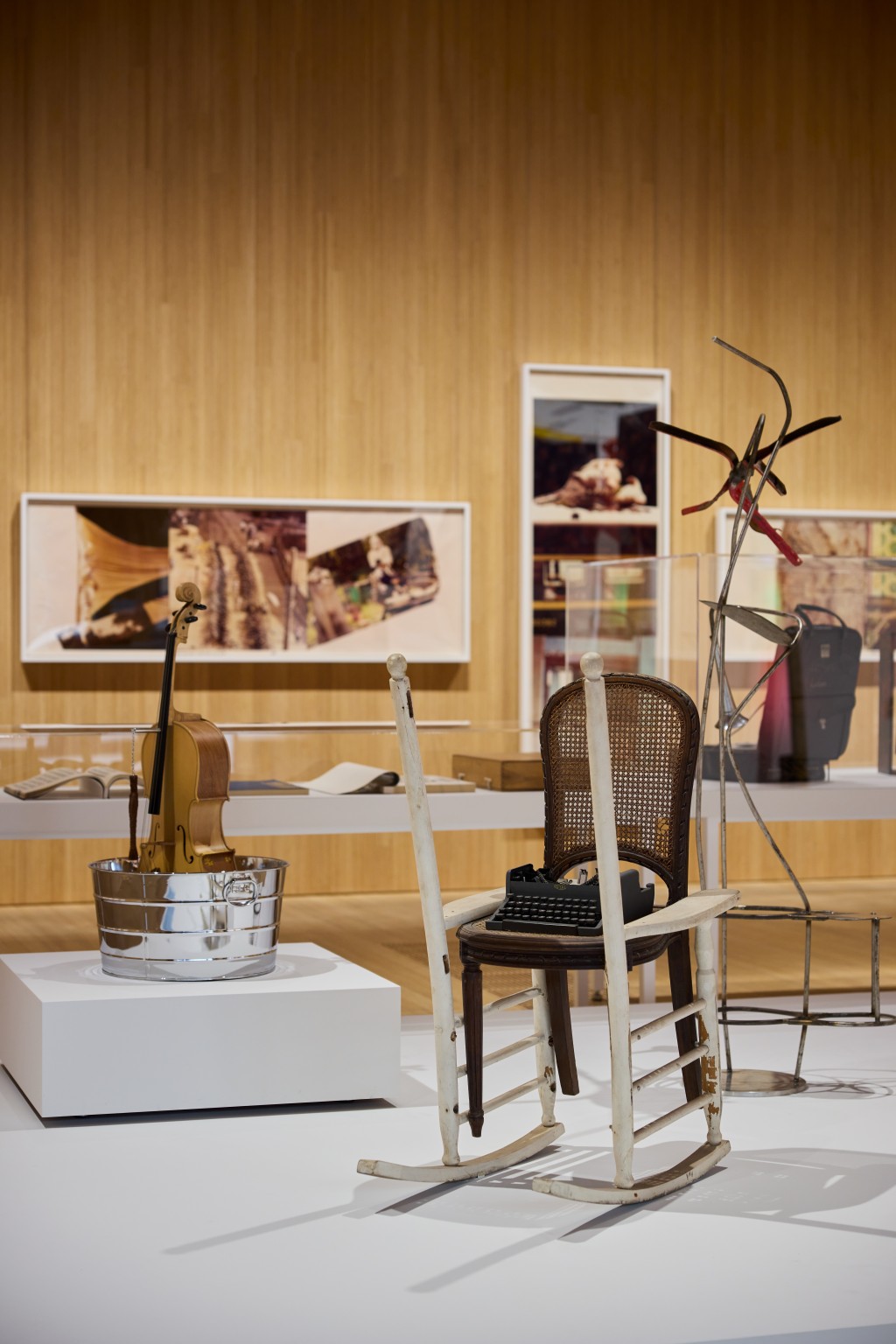
The first room introduces Rauschenberg’s formative encounters in Asia. It spotlights his ongoing engagement with Japan, beginning with a legendary 1964 performance in Tokyo, followed by an experimental collaboration with a ceramics company in Shigaraki in the 1980s.
This section also explores his transformative 1975 visit to India, where he worked with a paper mill at Mahatma Gandhi’s ashram in Ahmedabad.
Featuring works from key series such as Unions (1975), Jammers (1975–1976), and Japanese Recreational Clayworks (1982–1983/1985), this room showcases how Rauschenberg’s early intercultural exchanges informed his thinking about materials, aesthetics, and the social impacts of art.
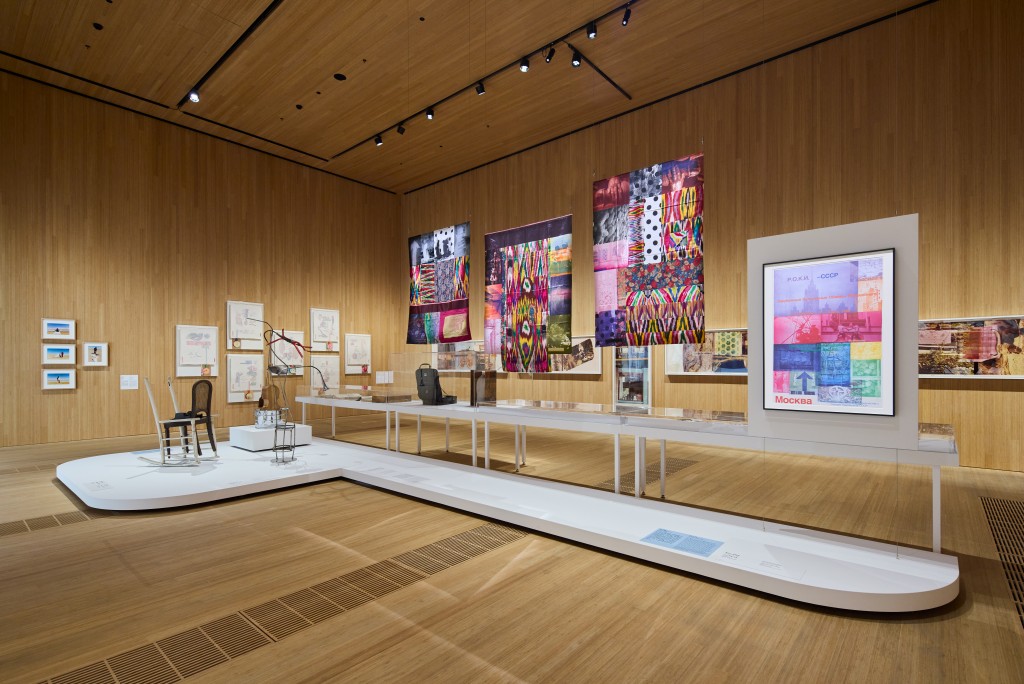
These experiences culminated in the launch of the Rauschenberg Overseas Culture Interchange (ROCI) in 1984. Lasting until 1991, this groundbreaking initiative promoted cultural dialogue and world peace during the late Cold War, an era of limited global connectivity.
ROCI comprised exhibitions of Rauschenberg’s work in eleven locations, including Mexico, Chile, Venezuela, China, Japan, Cuba, the former Union of Soviet Socialist Republics, Germany, Malaysia, and the United States.
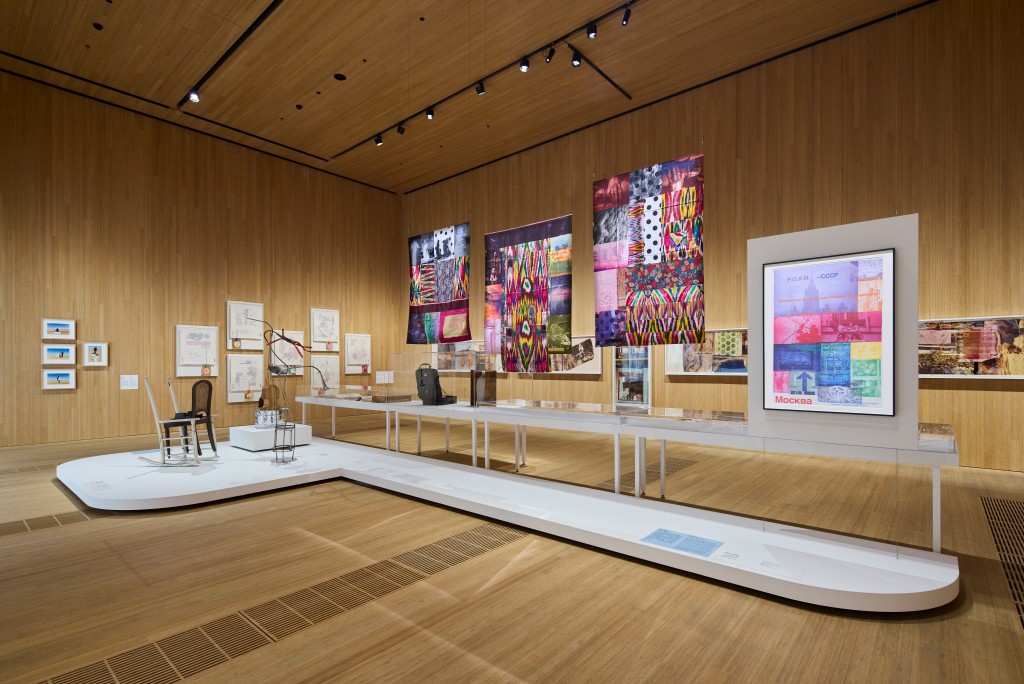
The second room of the exhibition features ROCI projects from the 1980s and 1990s in countries like China, Japan, and Malaysia, alongside a selection of works by Asian artists who encountered Rauschenberg during his travels.
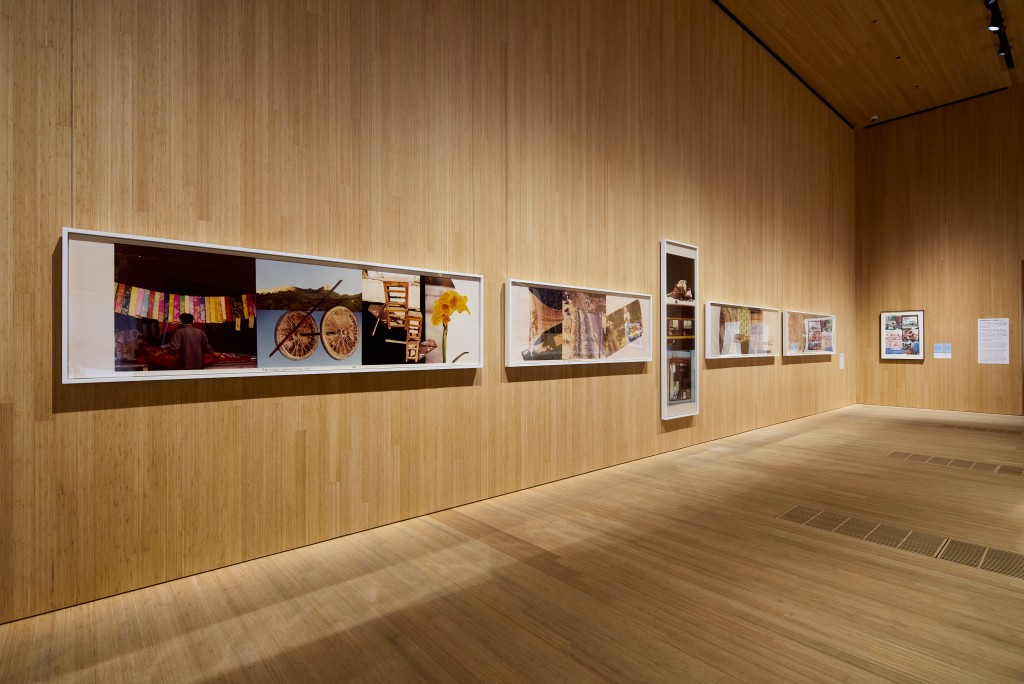
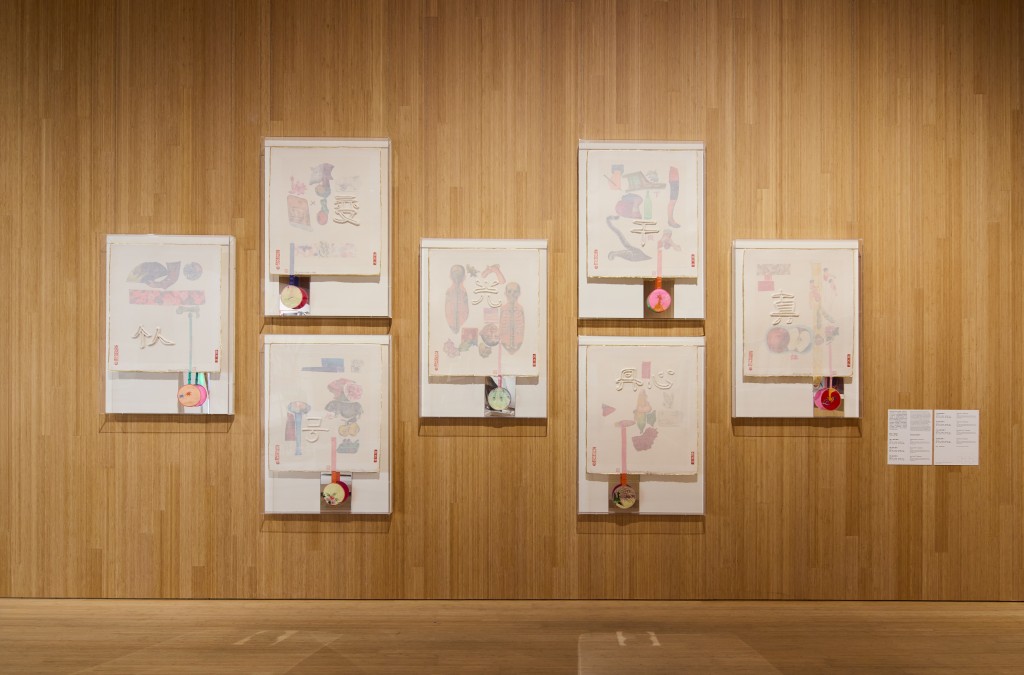
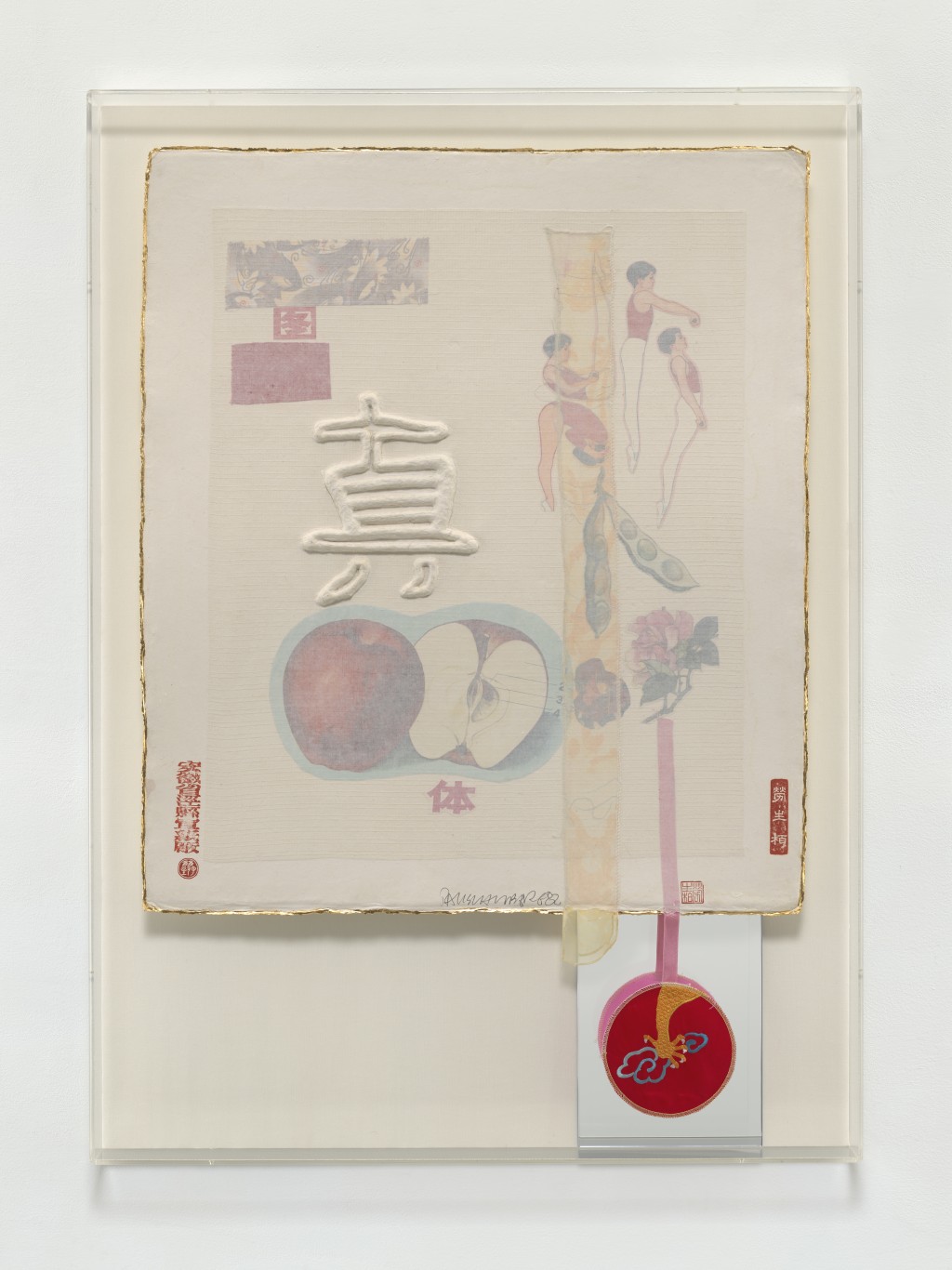
One of the highlights includes the thirty-meter photo scroll Chinese Summerhall and the 7 Characters series, which was shown in ROCI CHINA. Held at a state-run museum, it was the first Western contemporary art exhibition in the country.
The historical show contributed to the creative drive of young artists behind the landmark '85 New Wave art movement, as it was the first chance for many Chinese artists to experience this art in person, having previously encountered it only in books and magazines.
This section also features works from ROCI TIBET, which was launched in 1985 and remains the only known solo exhibition by a Western artist in Tibet.
It is complemented by Bound-up Scenery by Nortse and a work by Liu Zhuoquan. The piece is considered the first conceptual photographic and performance work made in Tibet and is believed to have been profoundly influenced by Rauschenberg, as Nortse worked as an exhibition assistant for ROCI TIBET in 1985.
Visitors can access all M+ exhibitions, including Robert Rauschenberg and Asia, with a single-price admission ticket. Tickets are HK$190 for adults and HK$100 for visitors eligible for concessions.