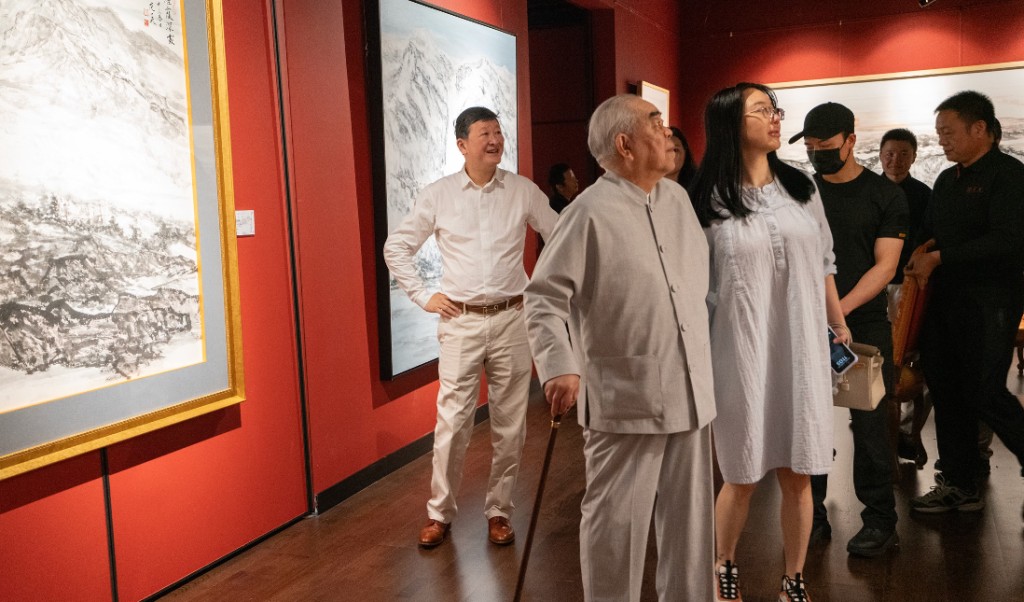
Three prized collections of Chinese paintings and calligraphy are enthralling art enthusiasts at the Hong Kong Museum of Art in Tsim Sha Tsui.
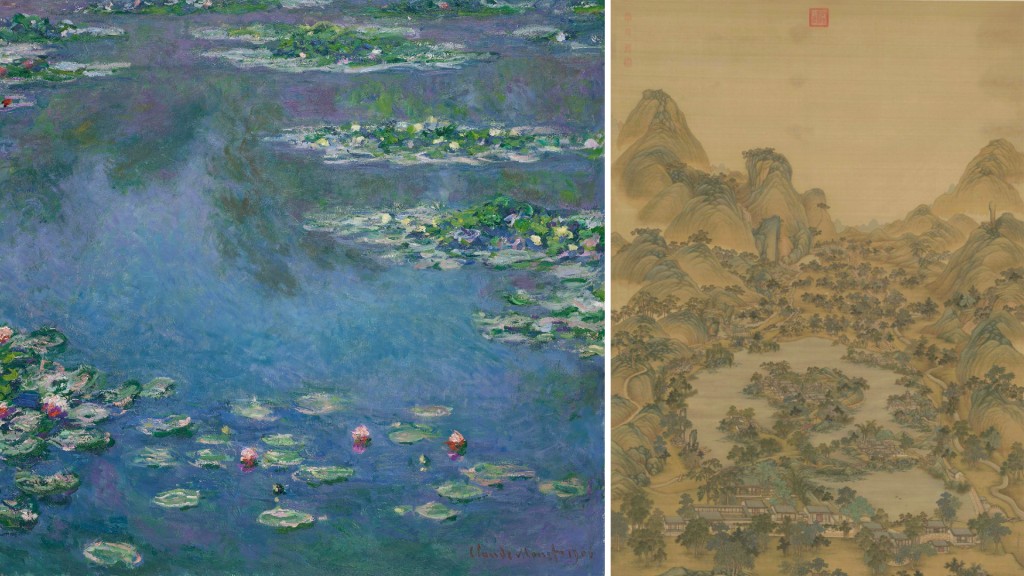
Pride of Hong Kong: Three Preeminent Collections of Ancient Paintings and Calligraphies, features 93 sets of treasures from the Tang to the Qing dynasties, built up by three
local collectors during the Hong Kong’s golden age of collecting.
In the mid-20th century, political turmoil triggered a huge outflow of Chinese paintings, calligraphic works and cultural relics into Hong Kong, where foreign art dealers and collectors scrambled to purchase them. The late Low Chuck-tiew, late Ho Iu-kwong and late Lee Jung-sen secured many of these works establishing three world-class private collections – Xubaizhai, Chih Lo Lou, and Bei Shan Tang – which were later donated to Hong Kong Museum of Art and Art Museum of the Chinese University of Hong Kong.
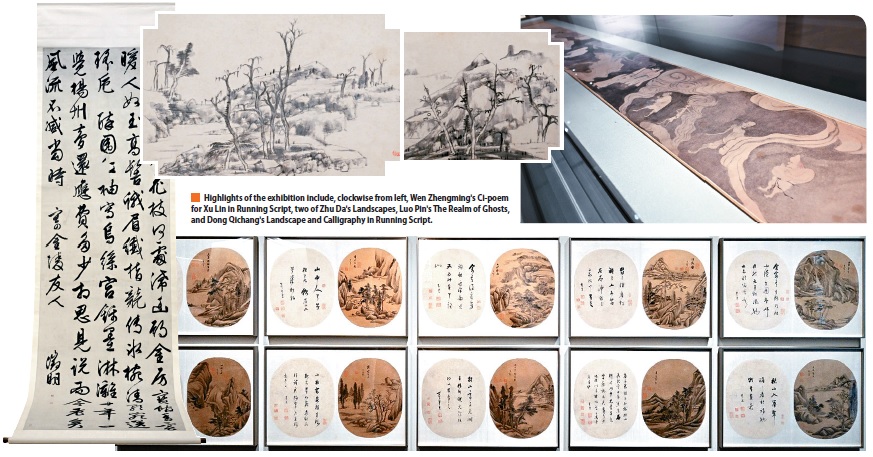
The Xubaizhai Collection from Low covers major schools of the Ming and Qing periods, reflecting the development of Chinese painting and calligraphy traditions. Selected exhibits include Dong Qichang’s Landscape and Running Script Album and Luo Ping’s The Realm of Ghosts.
Ho’s Chih Lo Lou Collection takes “evaluating character before artistry” as the prerequisite for its collection, with paintings and calligraphic works from the late Ming and early Qing periods. Exhibits include Zhu Da’s Landscapes, Wu Bin’s Misty River and Piled Peaks, and Jinshi’s Poems and Essays in Running-Cursive Script.
Lee’s Bei Shan Tang Collection values both painting and calligraphy equally, covering all dynasties with most works from Ming and Qing periods, including rare surviving copies and masterpieces by famous artists.
Selected exhibits include Wen Zhengming’s Ci-poem for Xu Lin in Running Script, Tao Xuan’s Pavilion Against Distant Mountains, and Wang Chong’s Loan Agreement in Running Script and Garden after Snow from the Southern Song dynasty.
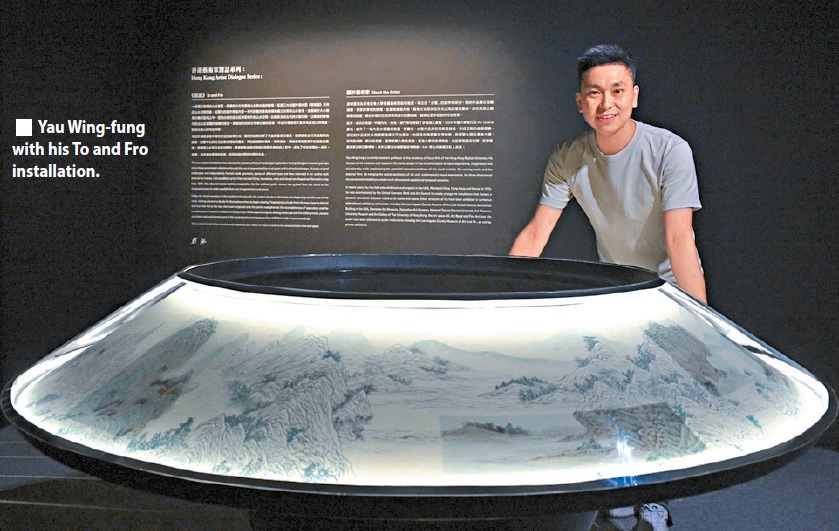
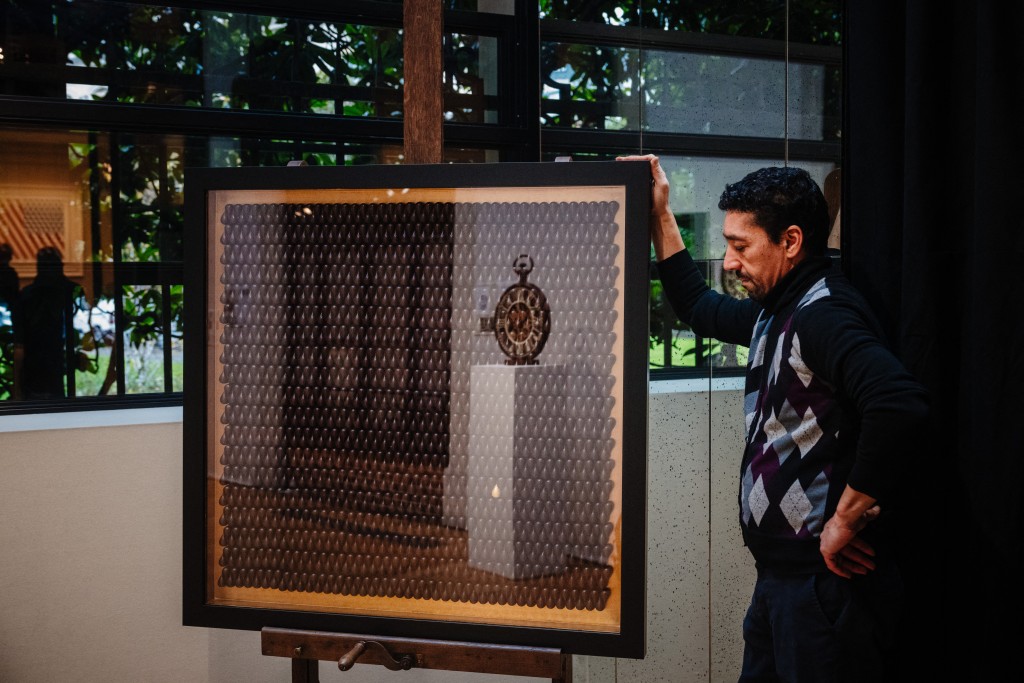
Hong Kong artist Yau Wing-fung was also invited to draw inspiration from late Ming and early Qing painter Huang Xiangjian’s depictions of his reunion journeys in the collections and his two installations To and Fro and Mirage Harmony, retell the unique story of the distinctive landforms of Hong Kong’s 18 administrative districts from a contemporary perspective.
Part of the Chinese Culture Promotion Series, the exhibition is presented by the Leisure and Cultural Services Department and jointly organized by the HKMoA and the Chinese University of Hong Kong Art Museum.
The exhibition is being held on the fourth floor at HKMoA – Chih Lo Lou Gallery of Chinese Painting and Calligraphy, Wu Guanzhong Art Gallery and Jingguanlou Gallery. It opened on June 11 and runs until October 7.
Admission is free.
(Veronica Hu)
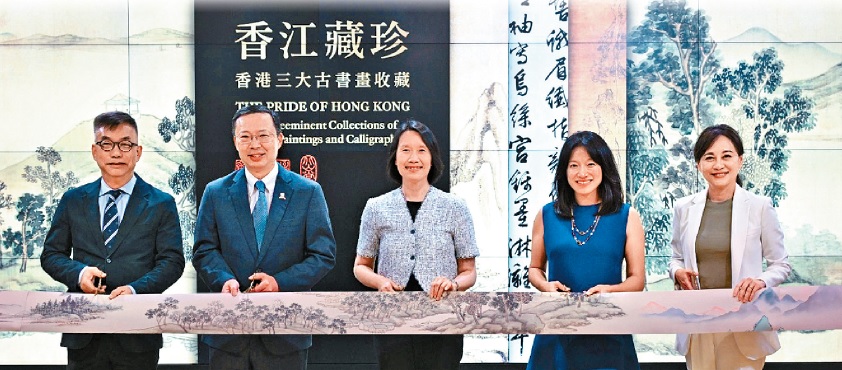
At the opening of the exhibition are, from left, the Museum Advisory Committee's Desmond Hui, CUHK pro-vice-chancellor Anthony Chan, Leisure and Cultural Services director Manda Chan, Bei Shan Tang Foundation chief executive Lillian Kiang and HKMoA director Maria Mok.
Yau Wing-fung with his To and Fro installation.