Read More










Despite the rising odds, experts say there is no need for alarm.
"Naturally when you see the percentages go up, it doesn't make you feel good," he added, but explained that as astronomers gather more data, the probability will likely edge up before rapidly dropping to zero.
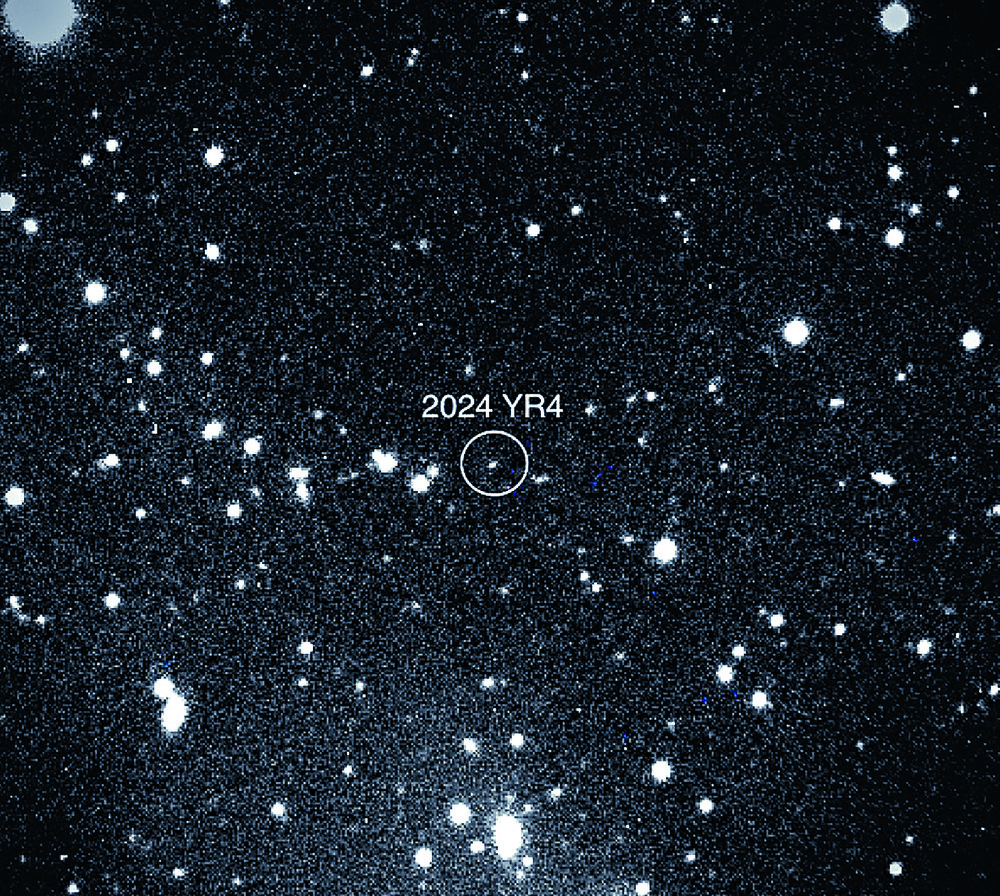
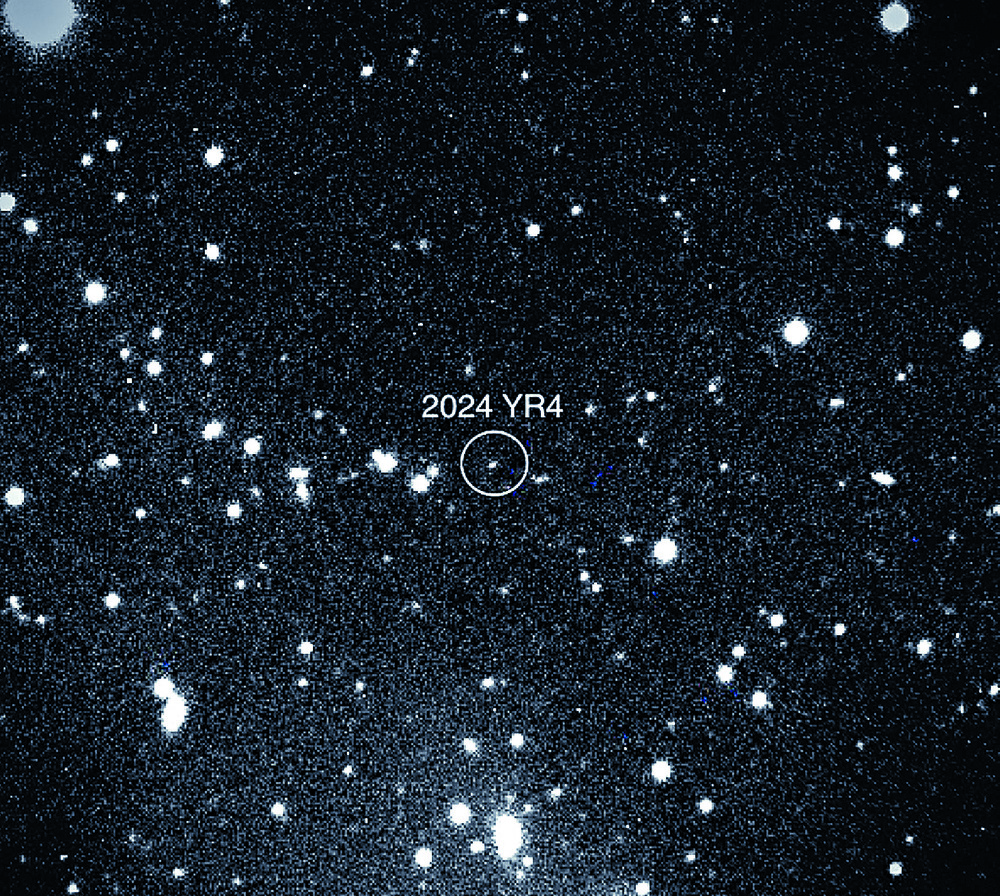
Astronomers estimate its size to be between 40 to 90 meters wide, based on its brightness.
The International Asteroid Warning Network, a worldwide planetary defense collaboration, issued a warning memo on January 29 after the impact probability had crossed one percent.Since then, the figure has fluctuated but continues to trend upward.
Nasa's latest calculations released on Tuesday estimate the impact probability at 3.1 percent, with a potential Earth impact date of December 22, 2032.That translates to odds of one in 32 - roughly the same as correctly guessing the outcome of five consecutive coin tosses.
The last time an asteroid of greater than 30 meters in size posed such a significant risk was Apophis in 2004, when it briefly had a 2.7 percent chance of striking Earth in 2029 - a possibility later ruled out by additional observations.Surpassing that threshold is "historic," said Richard Moissl, head of the European Space Agency's planetary defense office, which puts the risk slightly lower at 2.8 percent.
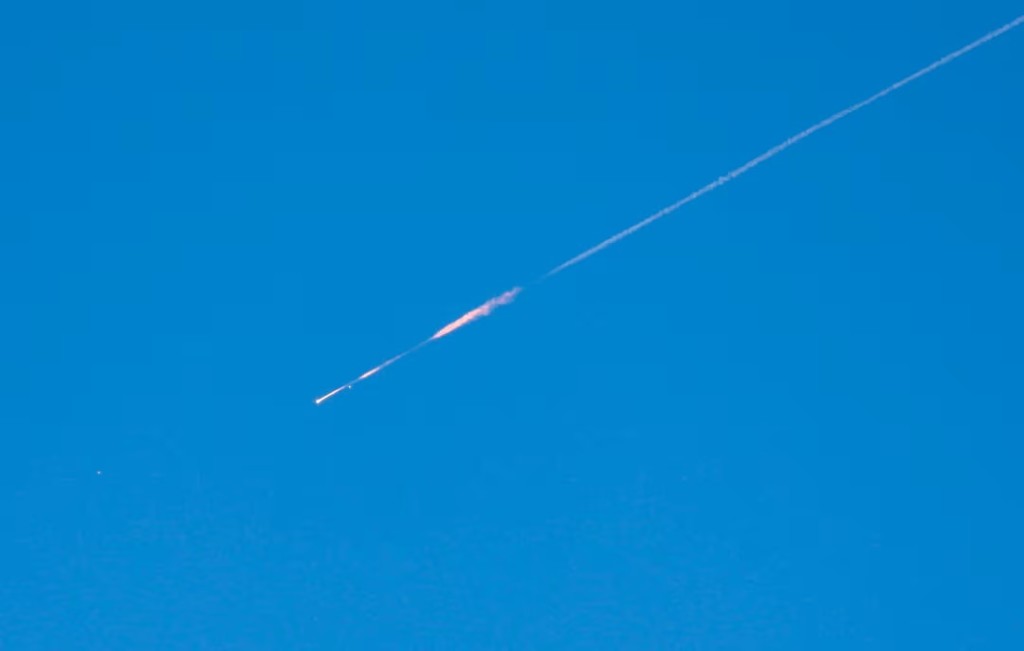
"It's a very, very rare event," he said, but added: "This is not a crisis at this point in time. This is not the [ten-kilometer-wide] dinosaur killer. This is not the planet killer. This is at most dangerous for a city."If it enters Earth's atmosphere, the most likely scenario is an airburst, meaning it would explode midair with a force of approximately eight megatons of TNT - more than 500 times the power of the Hiroshima bomb.
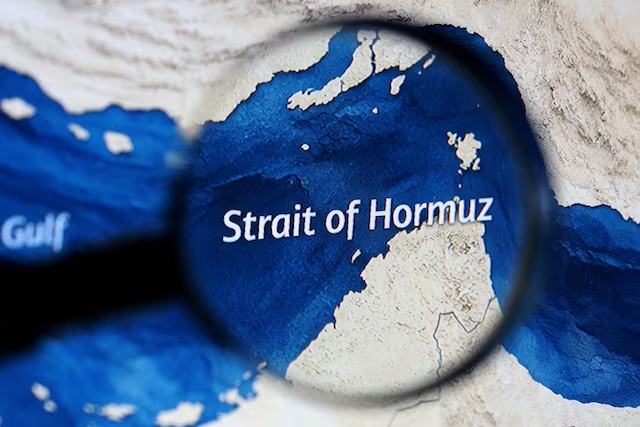
The potential impact corridor spans the eastern Pacific, northern South America, the Atlantic, Africa, the Arabian Peninsula, and South Asia.The good news - there's ample time to act.
Nasa's 2022 Dart mission proved that spacecraft can successfully alter an asteroid's path, and scientists have theorized other methods, such as using lasers to create thrust by vaporizing part of the surface, pulling it off course with a spacecraft's gravity, or even using nuclear explosions as a last resort.Agence France-Presse