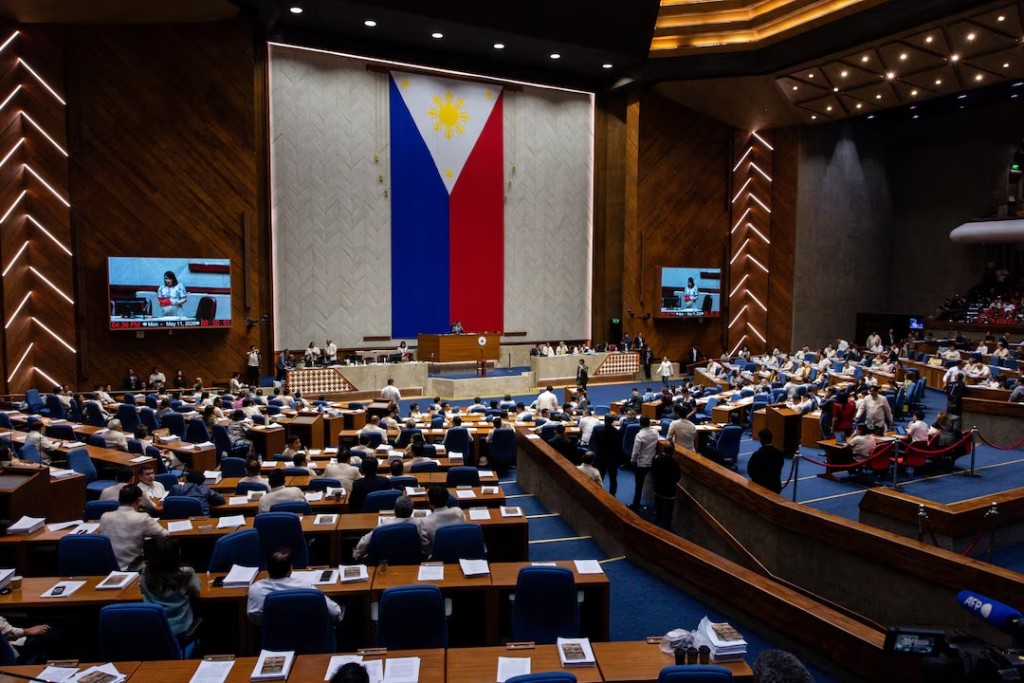
The impeachment trial of Philippine Vice President Sara Duterte opened on Monday with prosecutors casting the case as a test of accountability and public trust, while the defence denounced it as a politically driven bid to unseat an official elected by more than 32 million people.
The results of the high-stakes proceedings could help to shape the 2028 presidential race.
The trial, the first against a sitting Philippine vice president, began with a display of the divisions that have roiled the Senate in recent months. Duterte allies and rival lawmakers clashed over procedural rules, including the election of the presiding officer, which delayed the start of proceedings.
Duterte is accused of misusing public funds, amassing unexplained wealth, bribery and corruption and threatening President Ferdinand Marcos Jr, the first lady and a former House speaker.
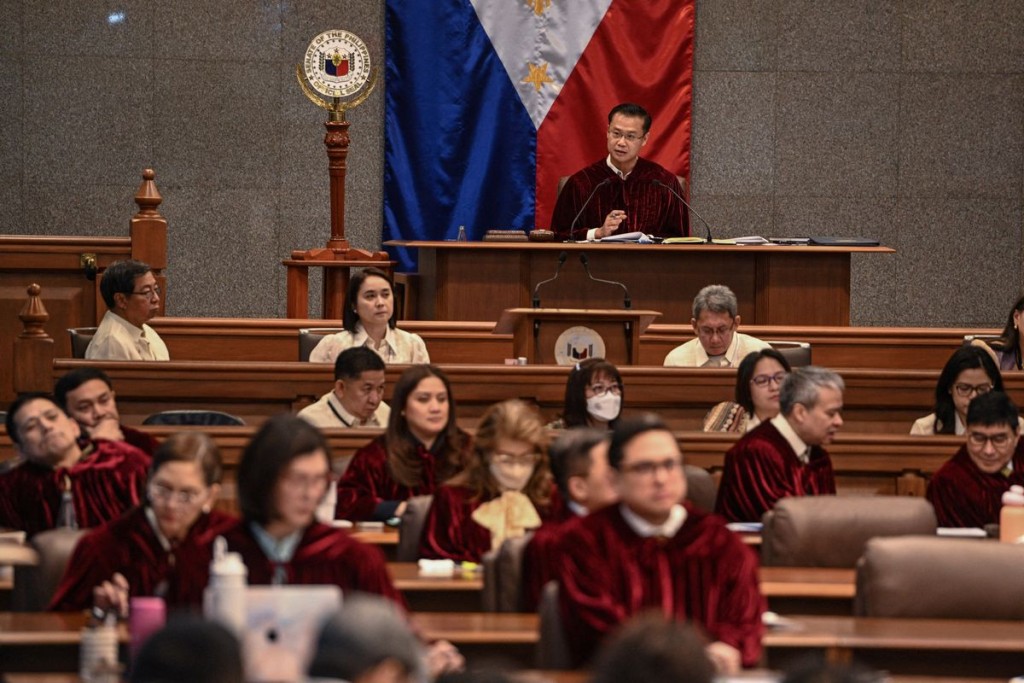
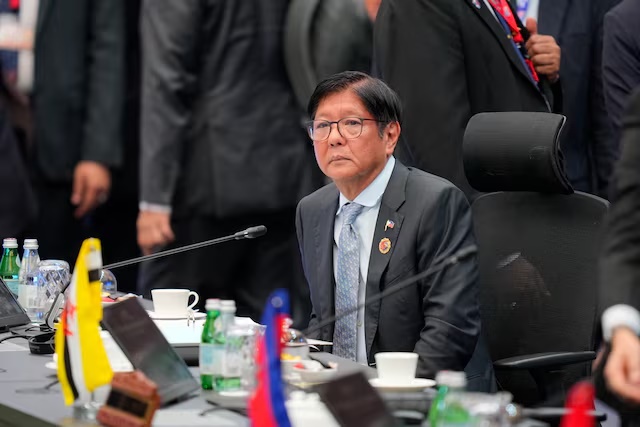
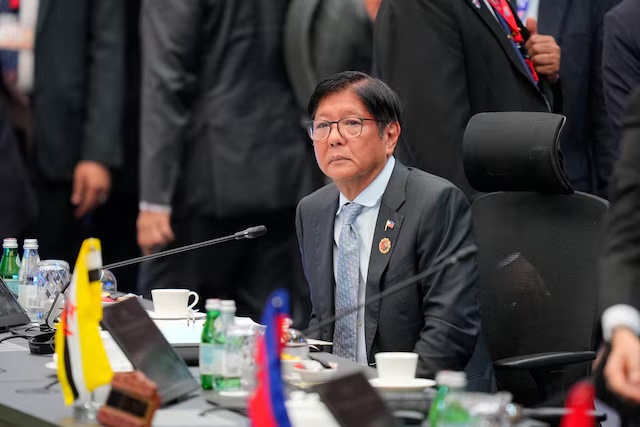
Opening of the impeachment trial of Philippine Vice President Sara Duterte. Photo: Reuters
Opening the prosecution's case, Congresswoman Gerville Luistro said the allegations were "not four separate stories" but "four chapters of the same story" - a story of "public trust betrayed" and "public office that stopped answering to the public."
Luistro said the allegation that Duterte threatened the constitutional order with remarks about having Marcos killed was the most serious charge in the case, telling senator-judges clad in maroon velvet robes that it "strikes more directly at the heart of constitutional order" than any other accusation.
Unlike many cases that depend on competing accounts, she said, the evidence "comes substantially from the respondent's own recorded public statements."
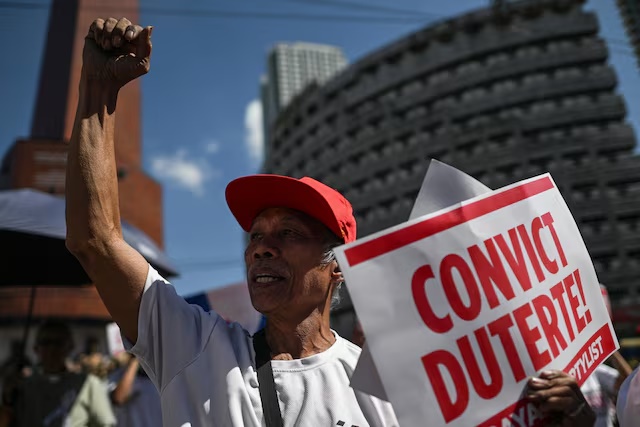
Marcos and Duterte, scions of two of the country's most powerful political dynasties, ran on a joint ticket in 2022. Their alliance has since unravelled in a bitter feud that deepened after the arrest and transfer of Duterte's father, former President Rodrigo Duterte, to the International Criminal Court's custody last year.
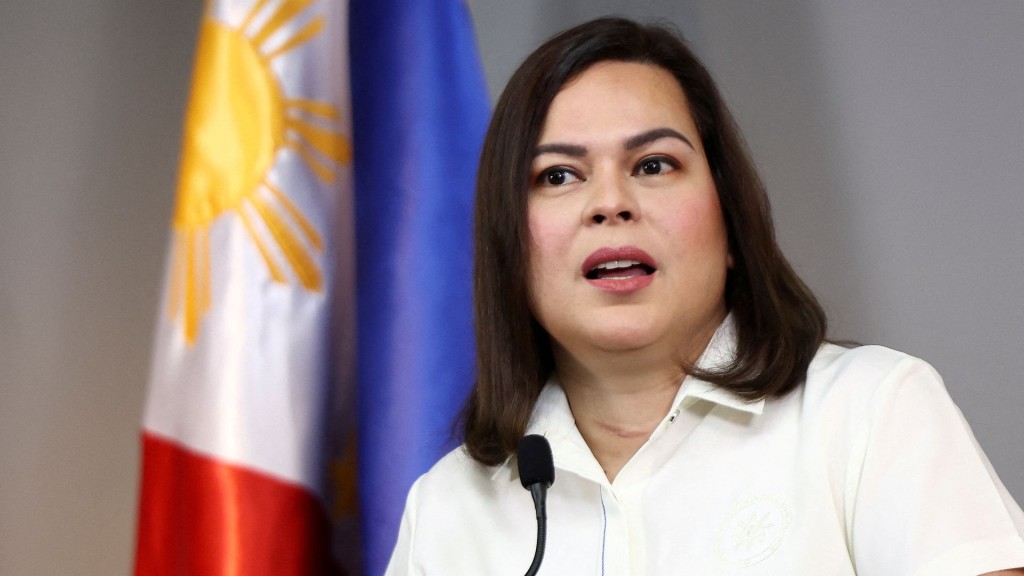
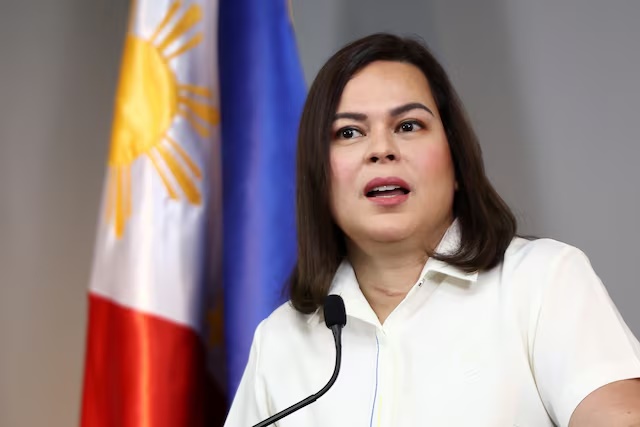
Duterte, the daughter of the former president, denies wrongdoing and has described the impeachment as politically motivated.
The defence argued the trial was aimed at removing a vice president who was elected by more than 32 million Filipinos - more votes than Marcos received - and sought to "undo the people's choice."
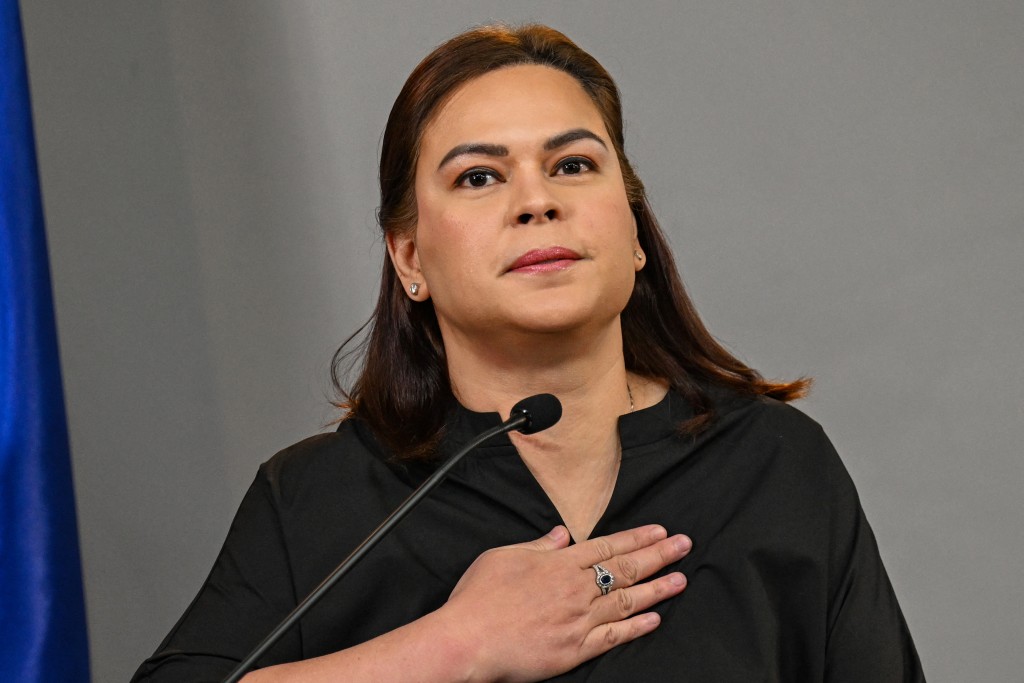
Duterte, 48, did not attend Monday's proceedings.
In a statement released before the trial opened, Duterte said the burden remained on prosecutors to prove their case and that appearing through lawyers did not "diminish accountability or imply a lack of transparency."
The outcome of the trial, which is expected to last at least three months, could have major implications for Duterte's political future. In February, she said she planned to run for president in 2028 and opinion polls show she is among the leading contenders.
The trial also comes amid divisions within the Senate, where lawmakers are serving as judges in the impeachment case, raising questions about how the proceedings will unfold and whether the eventual verdict will be viewed as credible.
Hours before the trial began, a senator and key ally of Duterte was arrested after being charged by the Ombudsman with plunder, which is a non-bailable offence.
Last month, Senator Jose "Jinggoy" Estrada was detained on charges of plunder on suspicion of taking kickbacks from infrastructure projects. Estrada, who is also seen as a supporter of Duterte, has been suspended from performing his duties as senator.
A conviction requires the votes of at least 16 of the Senate's 24 members.
"If the public perceives the process to have been fair, an acquittal could strengthen her position," said Ederson Tapia, a professor of public administration at the University of Makati. "If it is seen as politically motivated or lacking credibility, questions may linger regardless of the outcome."
The outcome of the trial could also influence who emerges as the standard-bearer of the Marcos camp in 2028. Marcos is constitutionally barred from seeking a second term.
Reuters