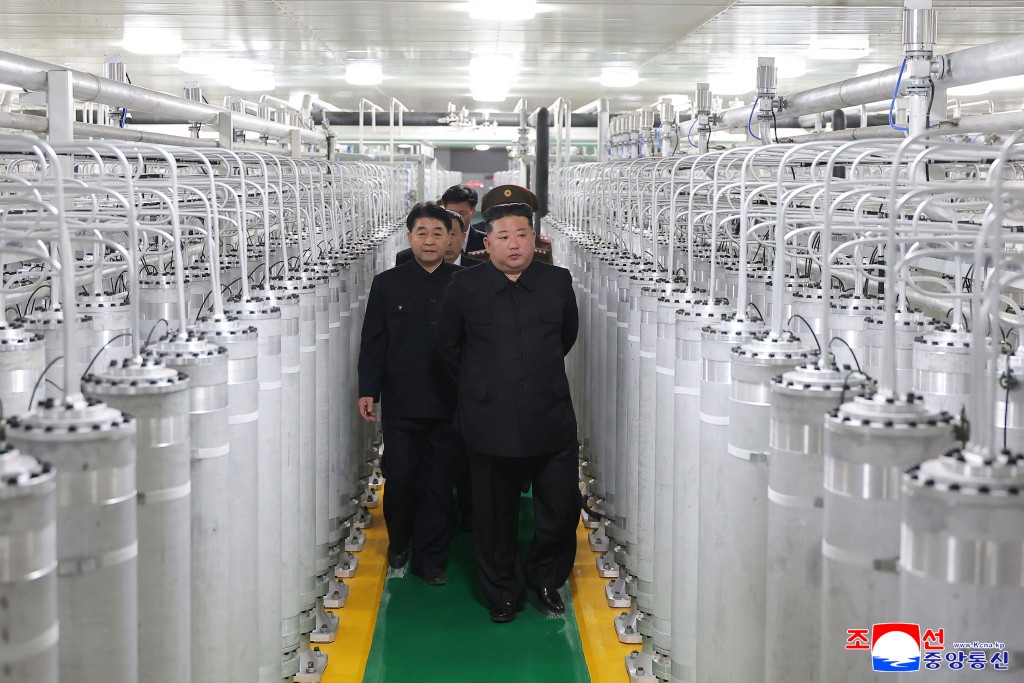
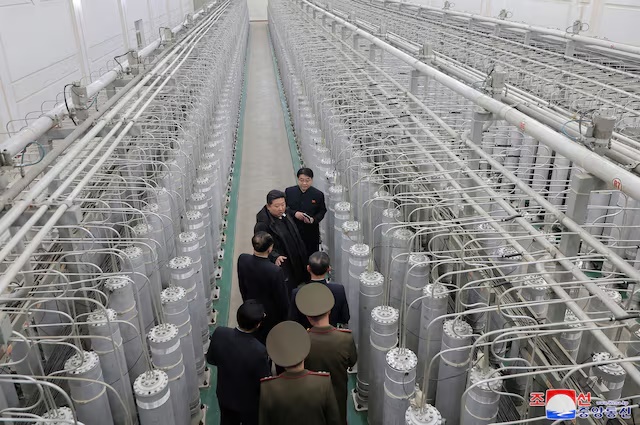
North Korea’s industrial output reached 105% of planned targets in the 100 days following the country's ruling party congress in February, driven by technological innovation and worker mobilisation, state media KCNA said on Tuesday.
North Korea outlined a new five-year plan at its Ninth Party Congress aimed at stabilising and consolidating the economy with a focus on basic industries, power supply and improving living standards.
KCNA credited "the strength of loyalty and patriotism, and self-reliance based on science and technology" for the gains across sectors including coal, cement and power.
North Korean leader Kim Jong Un had set science and technology as a key formula for increased production and urged the country to "open a new era of transformation" through self-reliance, KCNA reported.
Cement output rose at major plants such as the Sangwon Cement Complex, where KCNA said March output was 107% of the monthly target, while coal mines posted production around 106% of year-earlier levels through new mining methods and equipment upgrades.
Power generation also increased through efficiency improvements at thermal and hydropower plants, alongside higher output of fertilisers and other industrial goods, KCNA said.
North Korea has long faced chronic power shortages, though some recent analyses, including satellite imagery cited by the Wall Street Journal, suggest night-time light intensity has rebounded to around three times levels seen during the COVID-19 pandemic.
State media has touted nationwide construction activity and broader economic gains, which analysts say have been supported by arms and manpower transfers to Russia and trade and support from China.
Reuters