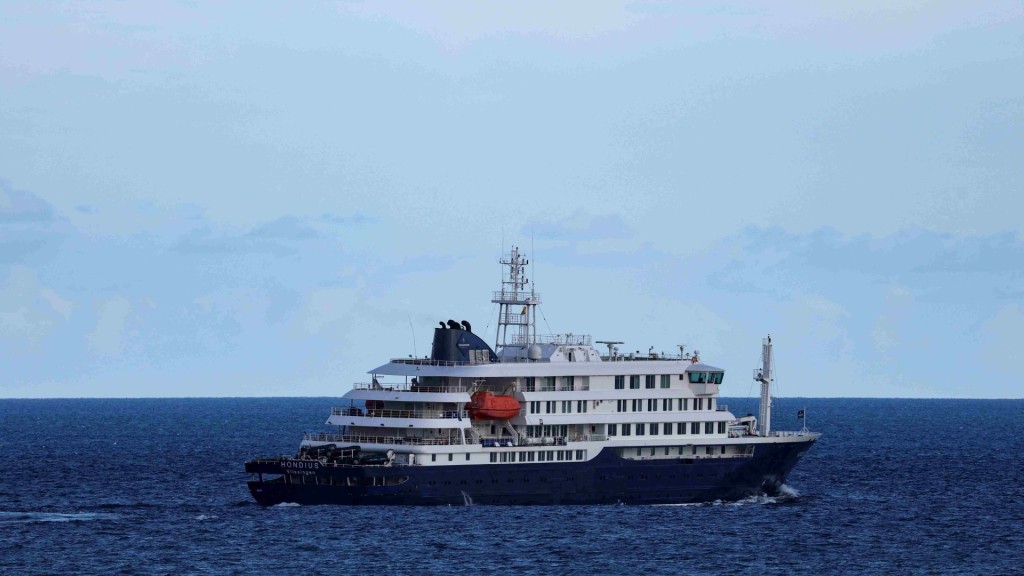
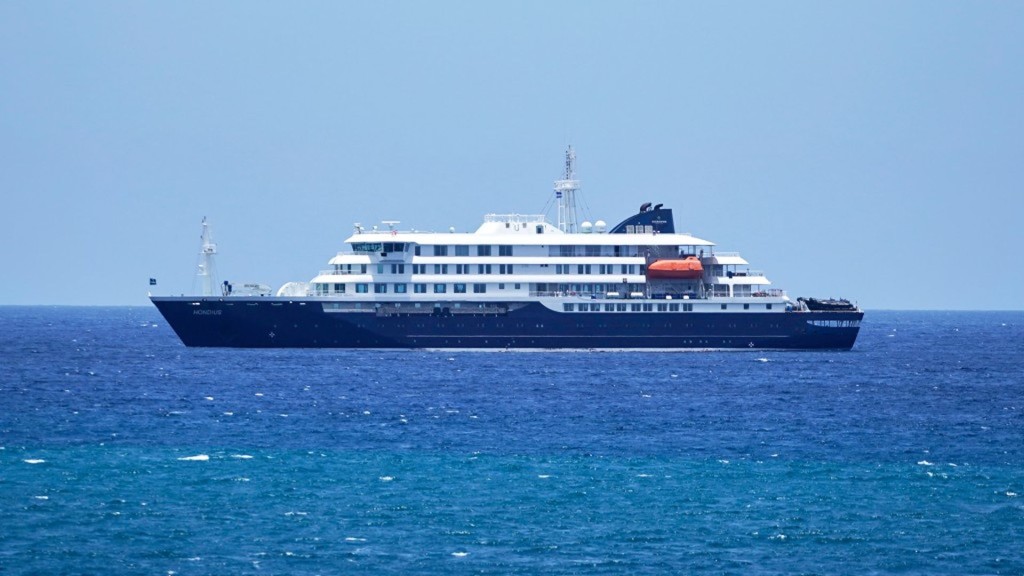
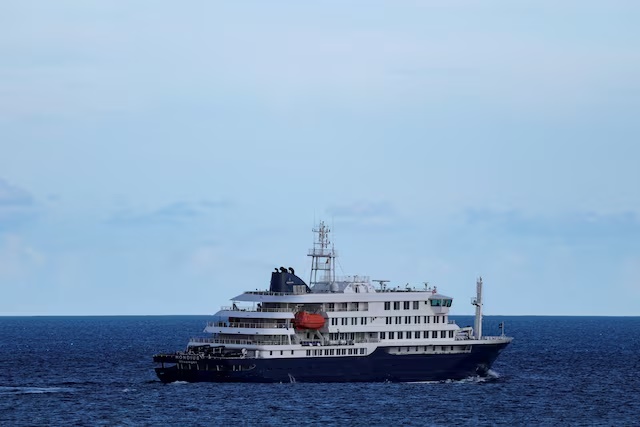
The hantavirus-hit MV Hondius departed the Spanish island of Tenerife for the Netherlands on Monday as the last six passengers and some crew members were evacuated from the luxury cruise ship.
The polar expedition ship carrying the remaining passengers - four Australians, one Briton who lives in Australia and a New Zealander - docked briefly at the port of Granadilla de Abona, allowing them, 19 crew and two doctors to disembark. It then sailed on for the Netherlands with 25 crew as well as a doctor and a nurse.
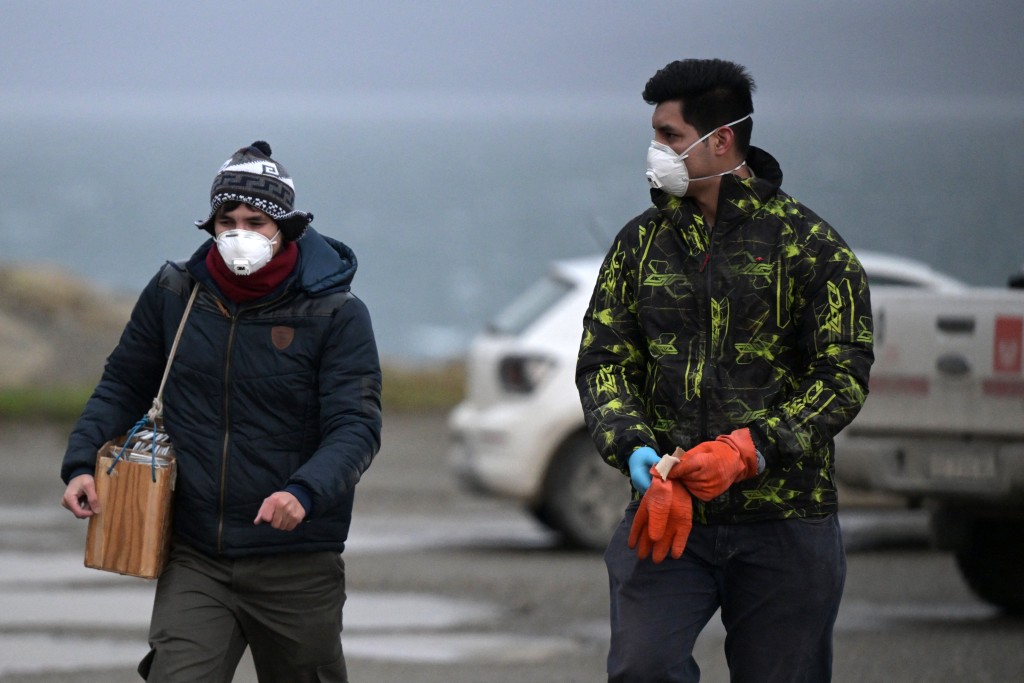
The passengers and staff evacuated in Tenerife boarded buses that took them to the local airport where they were transferred to two airplanes bound for the Netherlands, the Dutch Foreign Ministry said.
"Mission accomplished; we've just wrapped up the operation and the ship has just set sail," Spanish Health Minister Monica Garcia said.
The crew will complete their quarantine in the Netherlands, the Dutch Foreign Ministry said. The plane carrying the passengers will continue to Australia and it was up to the Australian government to determine where they would quarantine, Garcia said.
The disembarkation caps a complex operation that has so far resulted in 94 people being evacuated and repatriated to their countries of residence, 41 days after the MV Hondius set off from southern Argentina and nine days after the first positive test result for the respiratory viral infection.
Three people - a Dutch couple and a German national - have died since the start of the outbreak on the ship of the virus, which is usually spread by wild rodents but can also be transmitted person-to-person in rare cases of close contact.
MENTAL BREAKDOWN FOR SOME PASSENGERS
By evacuating the ship in Tenerife rather than obliging passengers to quarantine onboard, authorities sought to strike a balance between protecting public safety and preserving the mental health of the passengers, World Health Organization Director-General Tedros Adhanom Ghebreyesus said at a press conference in Tenerife.
"There was even mental breakdown for some of the passengers. It's very difficult to stay for weeks in a small container. This was the best and the only option we had," Tedros said.
Earlier, the ship's captain, Jan Dobrogowski, praised the patience and discipline of the passengers and crew.
"I could not imagine sailing through these circumstances with a better group of people, guests and crew alike," Dobrogowski said in a video posted on the website of Oceanwide Expeditions, the cruise ship operator.
The World Health Organization said on Monday there were now seven confirmed cases of the Andes strain of hantavirus, and two other suspected cases - one who died before being tested, and one on Tristan da Cunha, a remote South Atlantic island where there were no tests available.
The confirmed cases include a French passenger, who tested positive after the ship docked in the Canary Islands on Sunday. Her condition was deteriorating, French Health Minister Stephanie Rist said.
One of 14 Spaniards quarantining at a military hospital in Madrid has tested positive for the virus, the Spanish Health Ministry said in a statement on Monday evening, adding that the patient presented no symptoms and further tests were being done before a definitive result was announced.
The U.S. Department of Health and Human Services said one of the 17 Americans being repatriated had also tested mildly positive for the Andes strain of the virus. The Spanish Health Ministry said a test of another sample from the American at a different lab had been inconclusive.
A second American also had mild symptoms.
As the MV Hondius approached the Canary Islands late last week, Spain's health minister and the WHO had said all passengers were asymptomatic.
LITTLE RISK TO GENERAL PUBLIC
Health officials say that because the virus does not spread easily between people, there is little risk to the general public, urging calm to a public scarred by the experience of the COVID-19 pandemic.
The MV Hondius had been carrying 147 passengers and crew from 23 countries when a cluster of severe respiratory illnesses among passengers was first reported to the WHO on May 2.
By then, 34 other passengers had disembarked on islands in the Atlantic before the cruise ship headed north to Cape Verde, where news of the outbreak emerged.
It was first detected by health officials in Johannesburg on May 2 treating a British man who had disembarked the ship. That was some three weeks after the first passenger, a Dutchman, had died.
The luxury cruise ship left for the Canary Islands on May 6 after Madrid accepted a WHO request to manage its evacuation.
The WHO has recommended a 42-day quarantine for all passengers, Tedros told reporters.
"People should also put their minds at rest that the situation is under control," Gianfranco Spiteri, emergencies lead at the European Centre for Disease Prevention and Control, told Reuters.
"We know the virus. We can prevent further onward transmission. We're not expecting a new pandemic from this," he said.
Reuters