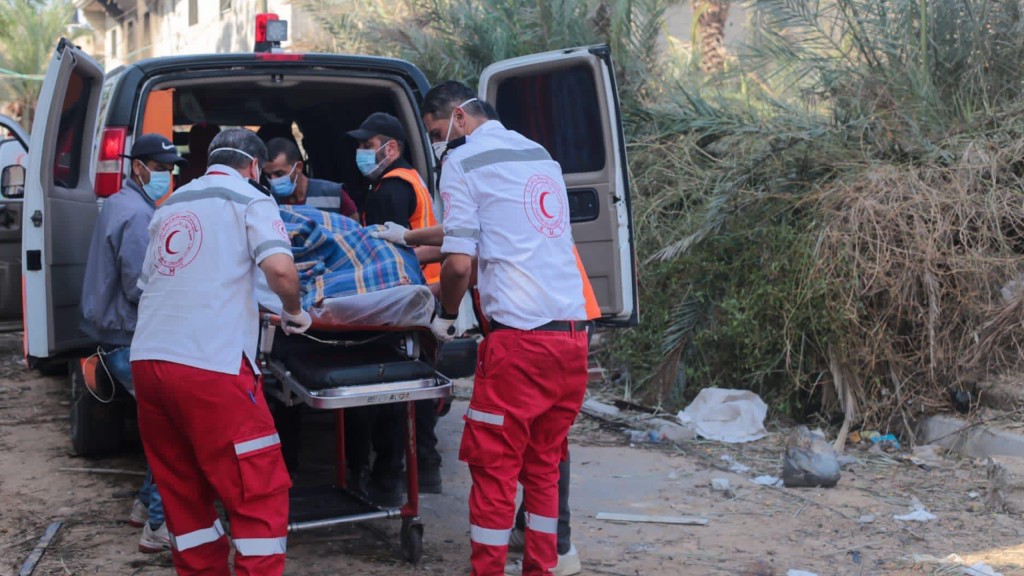
The International Committee of the Red Cross (ICRC) is struggling to keep Gaza’s medical lifeline running amid the ruins of one of the world’s most devastated territories, with hospitals short of power, water and supplies even as a fragile ceasefire takes hold.
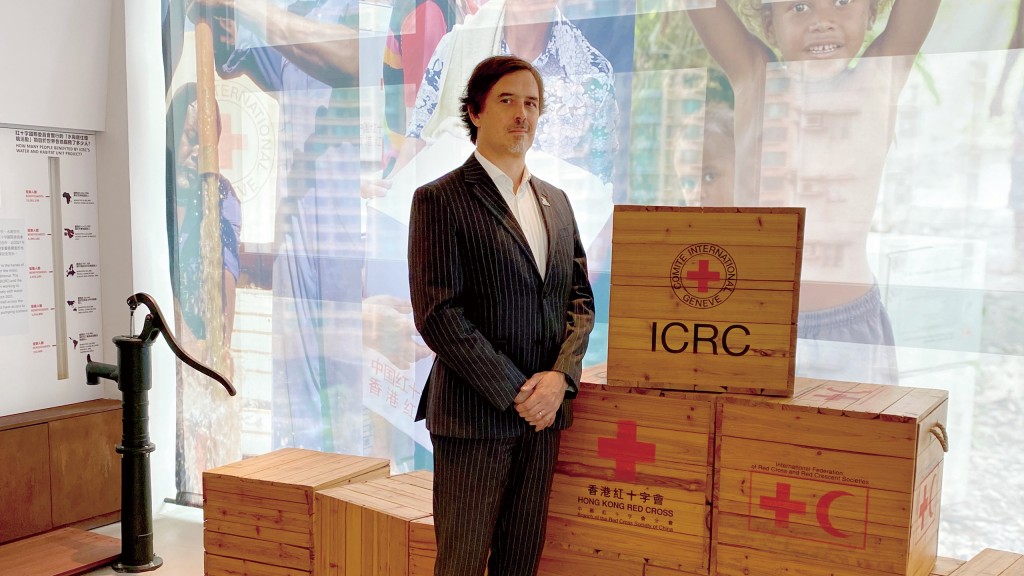
Pablo Percelsi, the ICRC’s deputy regional director for Asia and the Pacific, said the massive destruction had rendered the local healthcare and sanitation infrastructure severely depleted.
He described the organisation's role as a neutral intermediary moving hostages, patients and supplies through bomb-scarred streets where “everything has been destroyed".
Pablo Percelsi, the ICRC’s deputy regional director for Asia and the Pacific
The ICRC has operated in Gaza for more than half a century, focusing on civilian protection, detainee monitoring and emergency aid.
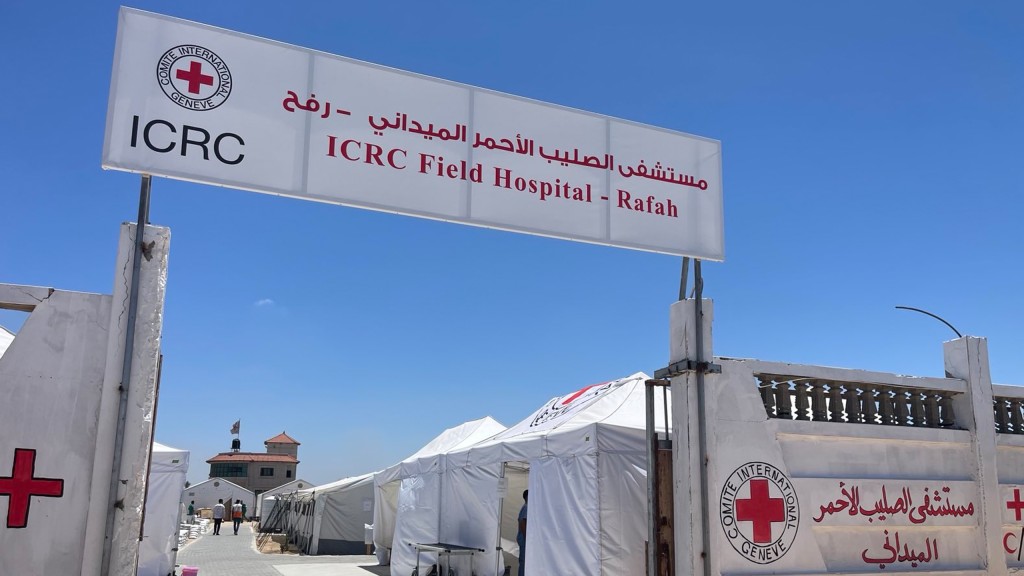
Since May 2024 it has run a field hospital in Rafah with the Palestinian Red Crescent and 14 national Red Cross societies and their branches, including the Hong Kong Red Cross (HKRC).
Built from tents and powered by generators, the facility handled about 148,000 consultations, 8,500 surgeries and 640 births a day by late July 2025.
Percelsi said running a hospital without power or clean water required “daily improvisation”, adding that “almost everything has collapsed”.
UN figures show that 90 per cent of private buildings and 88 per cent of commercial premises in Gaza have been destroyed, leaving aid convoys struggling to enter the enclave.
In addition to medical work, the ICRC continues to act as a neutral intermediary in the release and transfer of hostages and detainees.
Percelsi said the task could appear routine but was perilous in practice, requiring negotiation among armed parties and movement through areas littered with unexploded ordnance.
Maintaining neutrality, he noted, relied on decades-long trust and meticulous communication with armies and non-state groups, although “half the time messages don’t reach”.
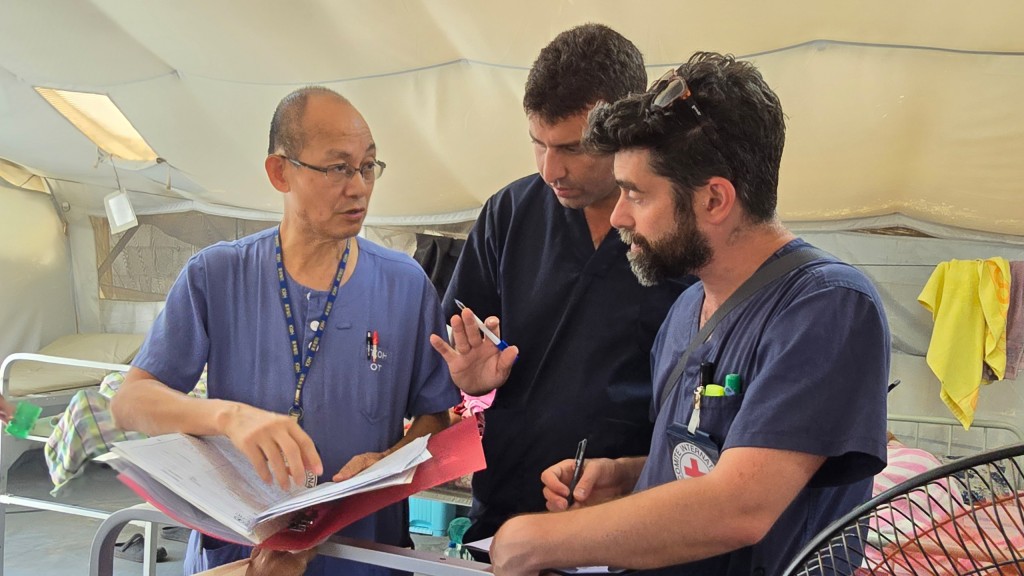
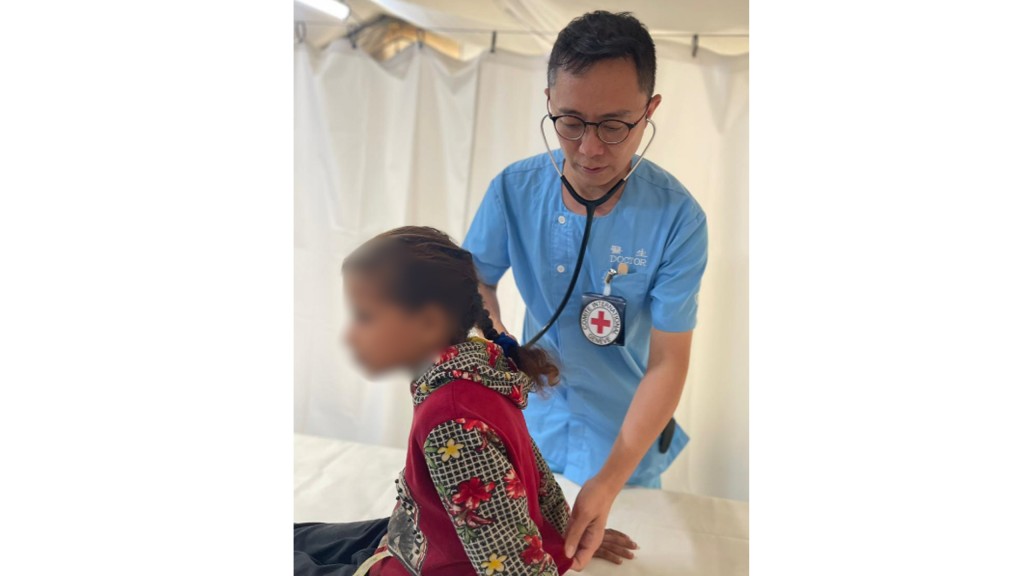
Six medical volunteers from the HKRC – including Dr Au Yiu-kai, Dr Stanley Chau Yau-ming and Mr Walter Leung Wai-yin – have joined ICRC teams for a combined ten deployments since the conflict began.
Dr Stanley Chau Yau-ming described treating more than 40 casualties within minutes during one mass-casualty event and sheltering under sandbags as shelling closed in.
Collectively, they have spent around 400 field days in Rafah, providing surgery, trauma care and patient management under continuous bombardment.
Dr Au, who has completed three missions, said he once performed six major operations in a single day.
He recalled local staff walking for hours through destroyed neighbourhoods just to reach their posts – a persistence that, he said, gave him strength to continue.
Dr Chau described treating more than 40 casualties within minutes during one mass-casualty event and sheltering under sandbags as shelling closed in.
Walter Leung, a Florence Nightingale Medal recipient, recalled the heartbreak of losing a teenage patient whose injured mother, still recovering from surgery, could not attend his funeral.
HKRC Chief Executive Officer / Secretary General Bonnie So praised the medical personnel as “the embodiment of humanitarian principles”, while Dr Joyce Ching, Head of International and Relief Service, said their courage under fire reflected Hong Kong’s longstanding humanitarian spirit.
The HKRC has also donated HK$2.9 million to the ICRC to support water and power infrastructure, medical equipment and training, and continues to seek public donations for Gaza relief.
Percelsi said the latest ceasefire had brought “a world of difference” to civilians exhausted by months of shelling.
“Sleeping two nights without anything exploding changes lives,” he noted. He hopes the pause will allow families to reunite and aid to move freely, though he admitted lasting peace lies beyond the Red Cross’s remit.
“Our job is to ensure humanity during war,” he said. “If one day we become unemployed, that will be the best news possible.”