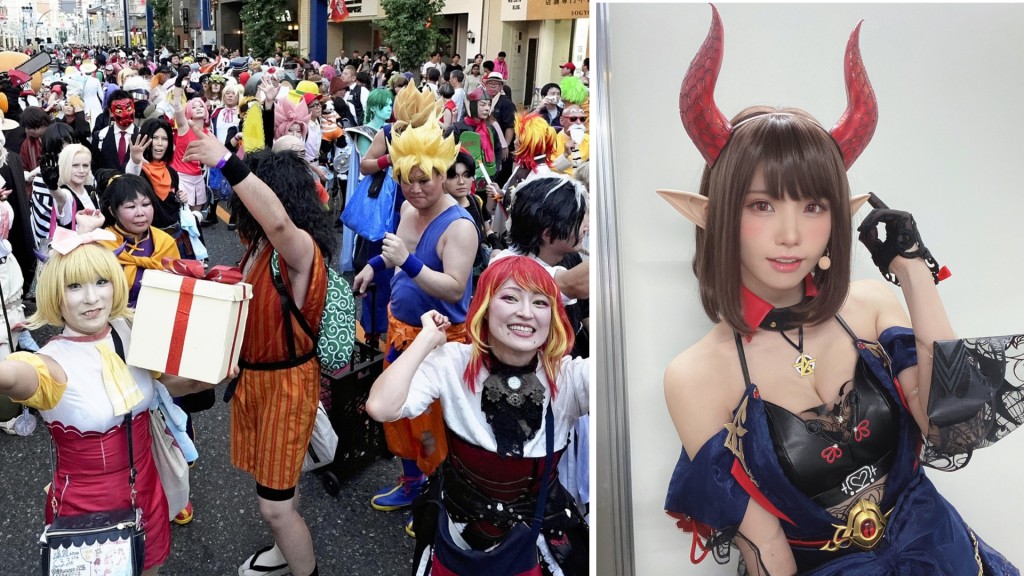
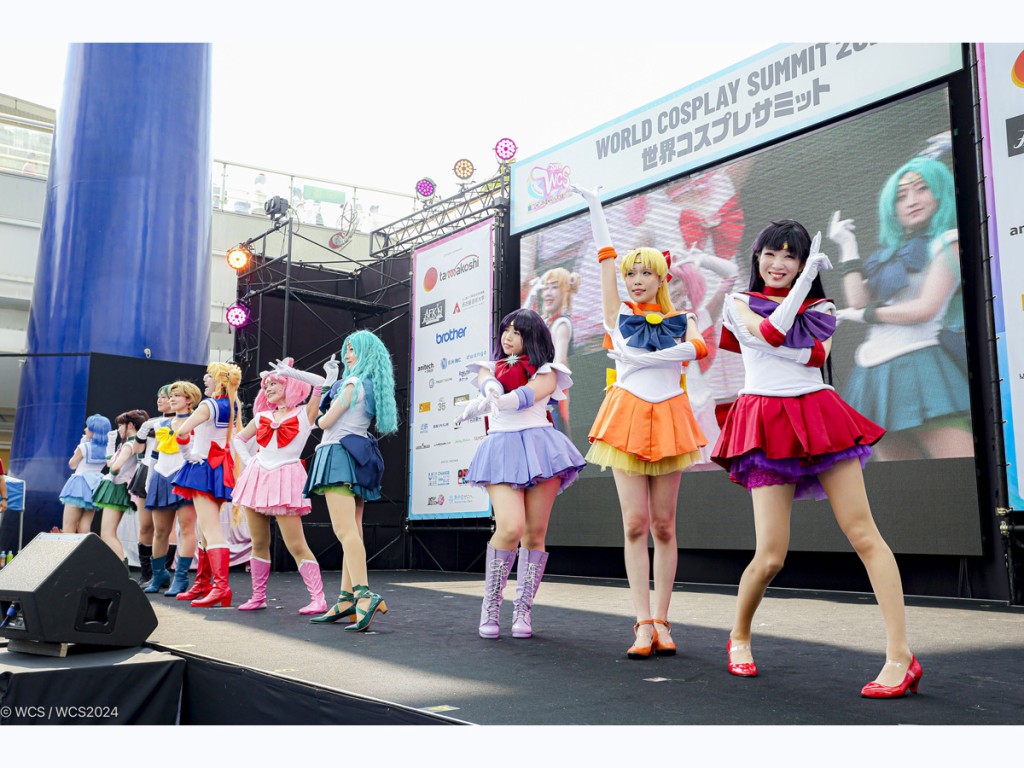
Japan hosted one of the major events of the anime industry -- the World Cosplay Summit -- in early August at Aichi Arts Center in Nagoya, where participants from 41 teams around the world compete in costumes and performances based on Japanese anime and game characters.
Each two-person team had two and a half minutes to recreate dynamic scenes from their chosen works with synchronized audio and visuals.
The U.S. team secured first prize for their portrayal of characters from the popular game "Fire Emblem."
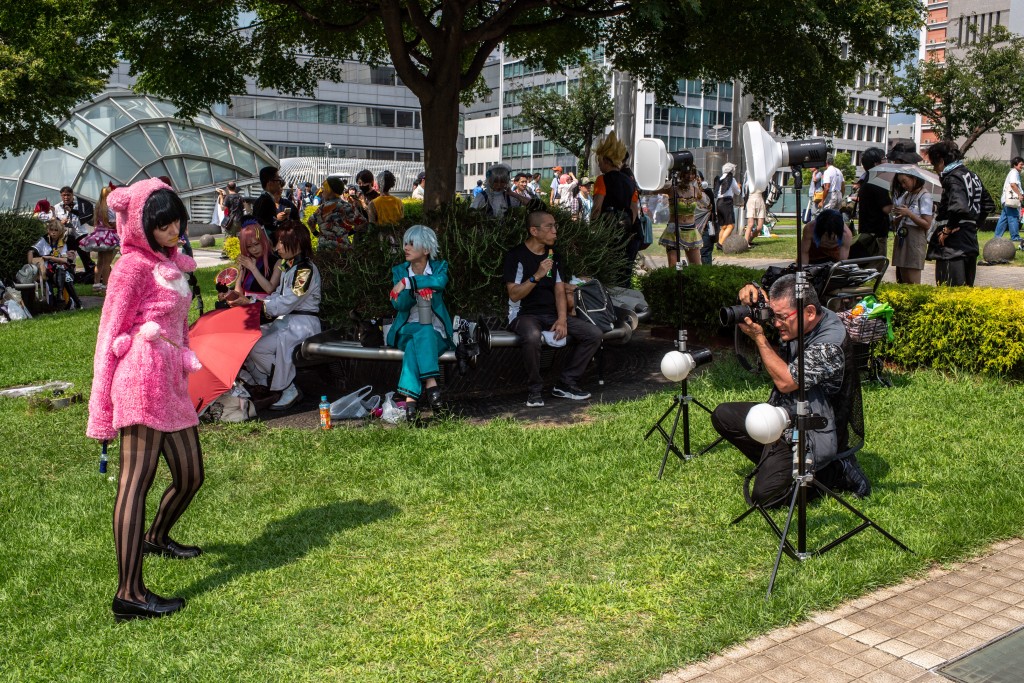
During the ceremony, organizers also announced an upcoming cosplay photo event at the newly opened IG Arena in late August, where some contestants will reappear in costume for fan photography.
Originally established in 2003 by Japanese anime enthusiasts as a small fan gathering, the summit began with just four participating nations, including host country Japan.
However, after gaining support in 2009 from the Japanese government, the event rapidly evolved into the world's largest cosplay convention.
The week-long annual celebration draws over 200,000 global anime fans, who are aged 20 to 39years old, a demographic with considerable spending power, to boost Nagoya's revenue through accommodations, dining, transportation, and retail expenditures.
The government has also supported the event as delegates from 10 countries and regions met the current governor of Aichi Prefecture, Hideaki Ōmur, who delighted fans by dressing as Piccolo from Dragon Ball.
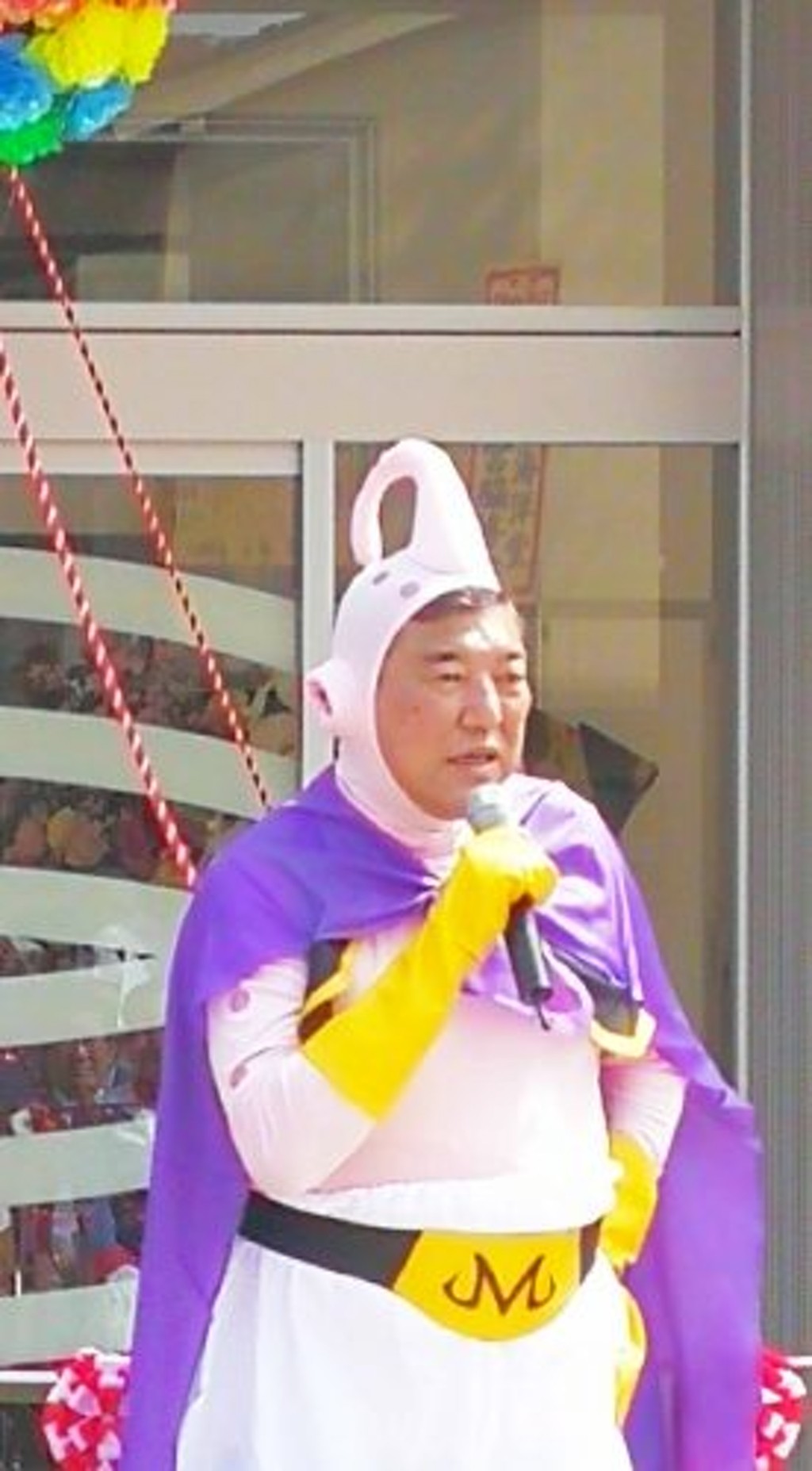
Nagoya Mayor Ichirō Hirozawa was also cosplaying as Kenshin Himura from Rurouni Kenshin for group snapshots. The incumbent Japanese Prime Minister Shigeru Ishiba has also dressed up as Majin Buu from Dragon Ball when attending an official event in 2018.
Shigeru Ishiba dressed up as Majin Buu.
Japan's cosplay culture traces its origins to the 1970s when young anime fans first began dressing as their favorite characters at science fiction conventions.
In the early days before the term "cosplay" was adopted, participants called their costumed gatherings "masquerade balls," using their elaborate outfits to express their passion for specific anime characters and demonstrate their knowledge of the anime.
The movement blossomed during the 1980s and 1990s as Japanese anime gained global popularity and gave rise to a vibrant fan culture centered around derivative works known as doujin.
The establishment of events, including Comic Market (Comiket), created spaces where amateur creators could share and sell their fan-made works, while some attendees began appearing in costume to promote their booths.
The cosplay culture flourishes among international anime enthusiasts with the development of the internet, as analysts explained that adolescents express character identification through cosplay, while developing social skills through role immersion.
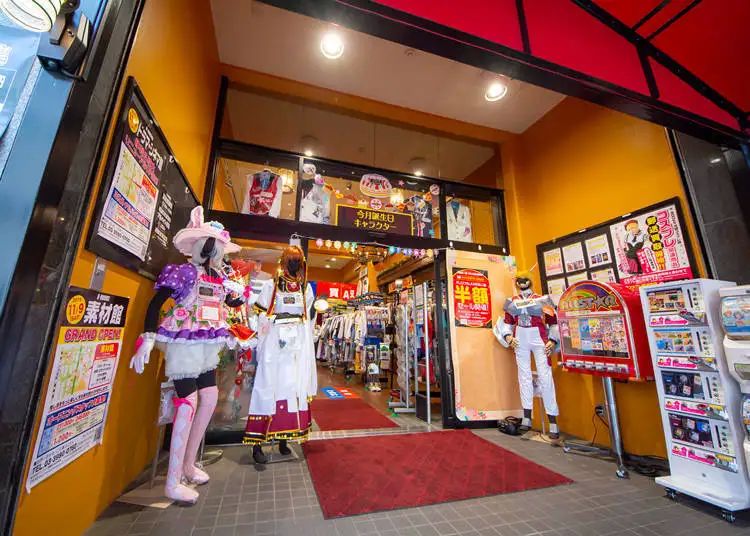
Nowadays, cosplay has evolved into a full-fledged commercial sector of nearly HK$100 billion, spanning costumes, makeup, wigs, and props, while reports indicate that about 10 million global cosplayers spend thousands per outfit.
Notably, reports showed that the cosplay apparel market alone reached HK$40 billion last year, which is estimated to grow to HK$60 billion by 2030.
Asian markets such as China and Japan have seen the explosive growth of specialized brands, including Cospatio and Acos, which have successfully expanded internationally.
Meanwhile, the industry has created employment and entrepreneurial opportunities for young people, including hairstyling artists and makeup artists.
Well-known cosplayers also collaborate with anime and gaming companies to launch officially licensed merchandise or establish their brands, as well as selling costumes and accessories, transferring their hobby into professional careers.
Japan has around 50,000 active cosplayers, with roughly 1,000 engaging in commercial activities such as merchandise sales, paid photoshoot modeling, and photobook publications.
Furthermore, the cosplay culture focuses on meticulously recreating iconic scenes and atmospheres from beloved anime, while famous animated backdrops have evolved into major tourist attractions.
The coastal railway crossing featured in the opening sequence of Slam Dunk has become one of Kamakura's most visited sites, attracting over 20 million visitors annually.
When "Your Name" hit theaters in 2016, the stairway at Yotsuya Station quickly became a pilgrimage site where fans recreate pivotal moments from the film, with even local celebrities joining in by cosplaying as the heroine Mitsuha.
Capitalizing on this trend, some businesses in Asakusa have converted traditional hotels into dedicated cosplay spaces, offer guests authentic Japanese-style rooms complete with props and backdrops.