Read More
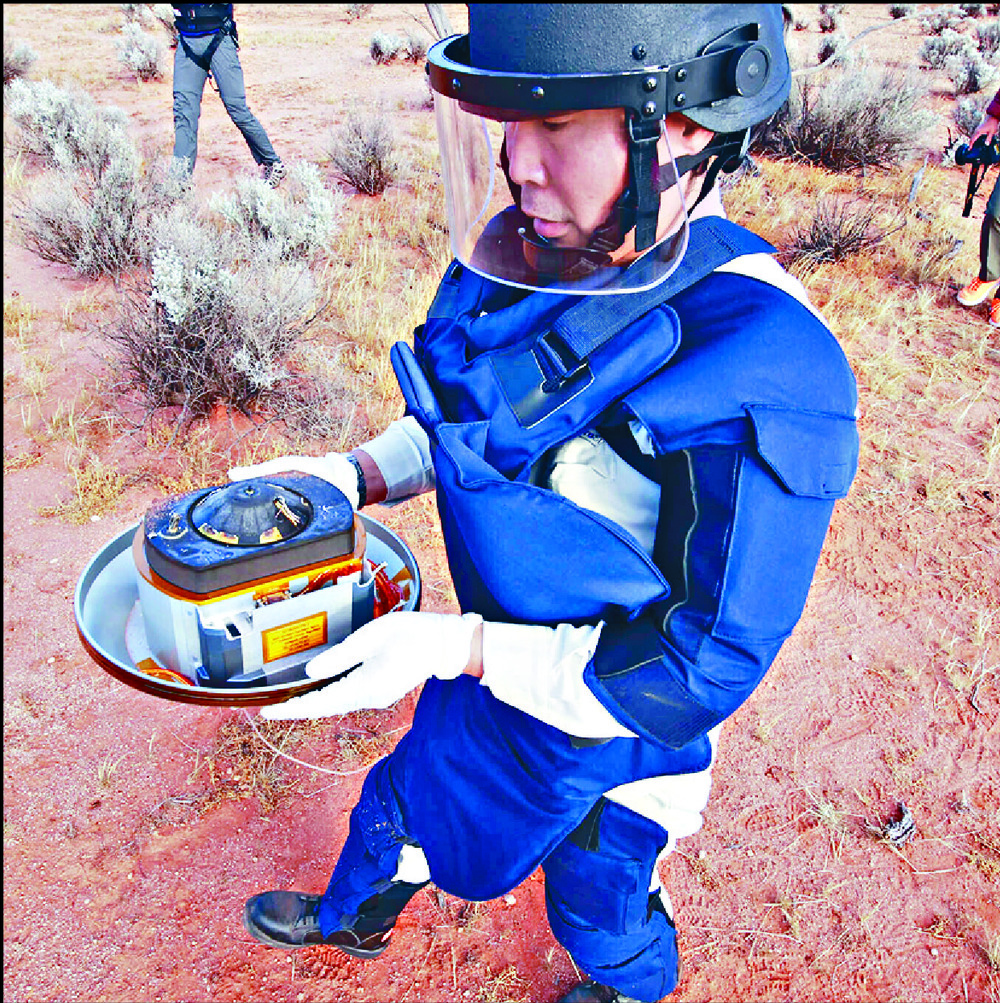
Japan has retrieved a capsule of asteroid dust from Australia's remote outback after a six-year mission that may help uncover more about the origins of planets and water.A helicopter flew the capsule from the unmanned craft containing the first extensive samples of asteroid dust from the landing site at Woomera to a research facility of the Japan Aerospace Exploration Agency.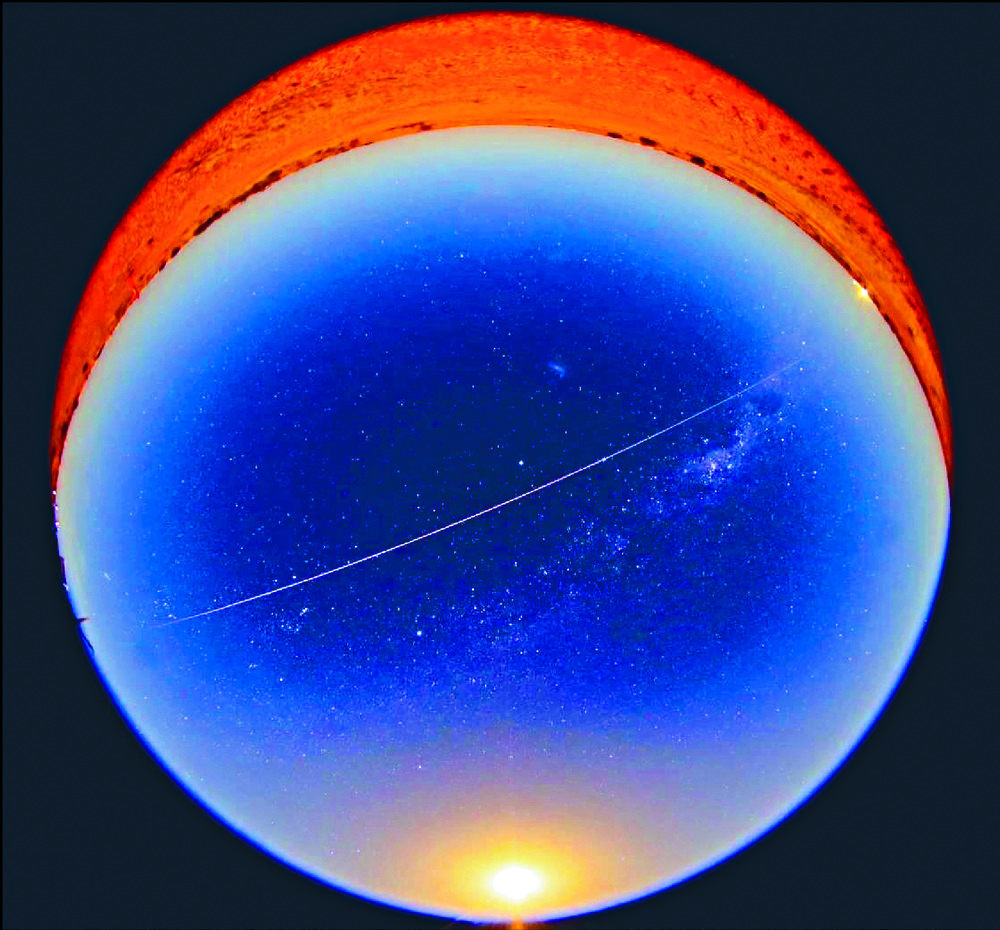
The mission of Japanese spacecraft Hayabusa2 spotlights Asia's growing role in space exploration, with a Chinese robotic vehicle collecting lunar samples last week.
ADVERTISEMENT
SCROLL TO CONTINUE WITH CONTENT
"The probe landed on the asteroid twice, and the second time it created an artificial crater and collected some debris," agency president Hiroshi Yamakawa said. "We hope this will shed light on how the solar system was formed and how water was brought to Earth."
The capsule may also contain some gas, which would be extracted in Australia, Yamakawa added.
The spacecraft, launched in 2014 from Japan's Tanegashima space center, journeyed for four years to the asteroid Ryugu, where it gathered a sample then headed home in November last year.
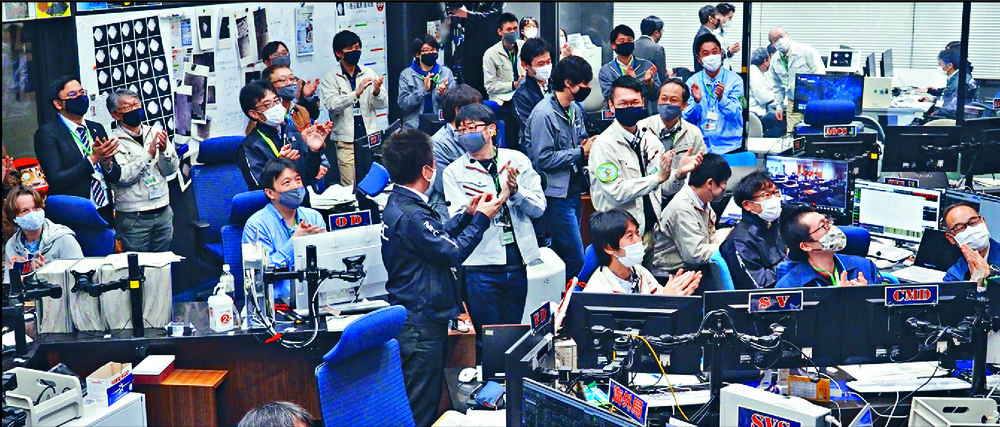
Spectators gathered at a theater near Tokyo to view the return clapped and waved banners, with one woman in tears.Asteroids are believed to have formed at the dawn of the solar system, and scientists say the sample may contain organic matter that contributed to life on Earth.
"What we are really doing here is trying to sample pristine rock that has not been irradiated by the sun," astrophysicist Lisa Harvey-Smith told ABC.Gases trapped in the rock samples could reveal more about conditions prevailing about 4.6 billion years ago, she added.
The retrieval of the capsule also highlights close technical cooperation between Japan and Australia.But the job of supporting the Japanese space agency "will not be complete until we see the sample safely leaves Australia and return to Japan," said Megan Clark, head of the Australian Space Agency.
"Then the sample will tell its stories and reveal to us some wonderful signs about how water arrived on Earth and how we even may have been formed, such as our organics, carbon-based animals, humans, and plants."Japan's craft, named for the peregrine falcon, orbited above the asteroid for a few months to map its surface before landing. It used small explosives to blast a crater and collected the resulting debris.
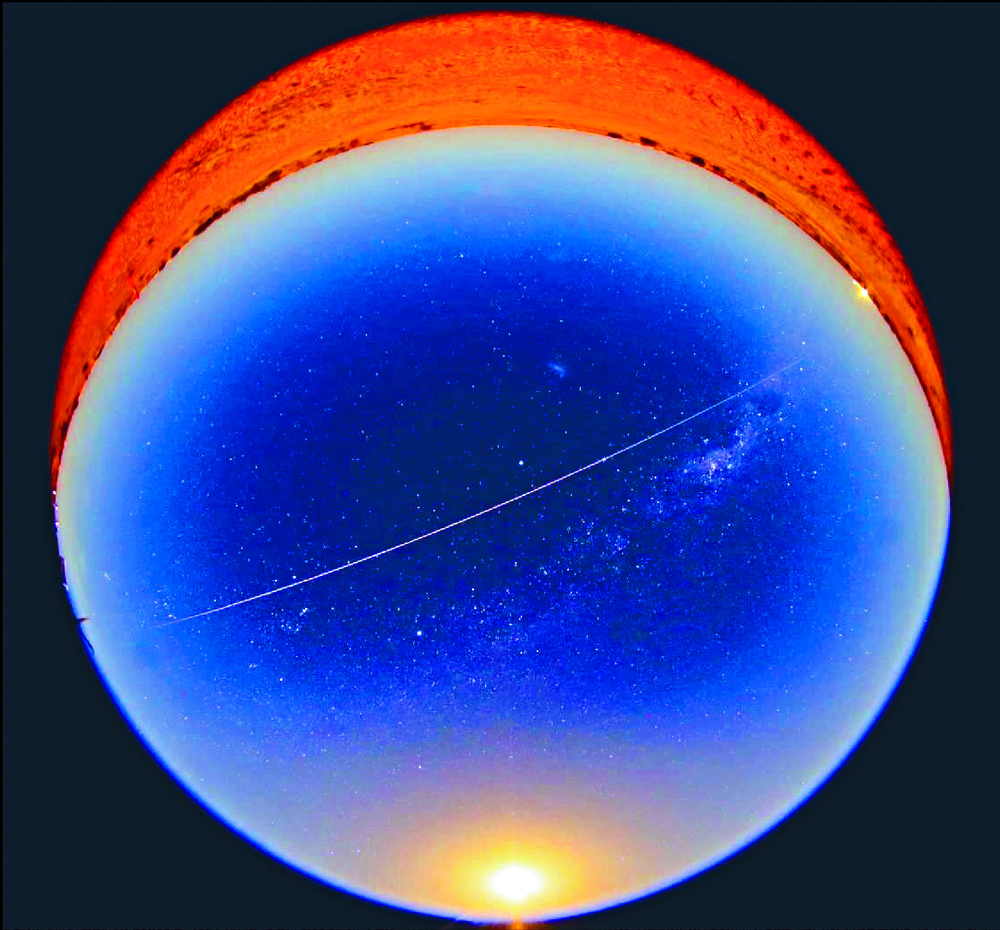
The capsule lit up part of the sky above Australia on re-entry into Earth's atmosphere early yesterday and then landed in the Woomera restricted area.REUTERS
A fireball from Hayabusa2's capsule is seen as it reenters the earth's atmosphere. The capsule is retrieved in Woomera, southern Australia. REUTERS, AP
Hayabusa2 project members react as they watch over the live streaming of the fireball phase of the re-entry capsule at a control room of JAXA's Sagamihara Campus near Tokyo. AP