Read More







Officer injured in 2005 knife attack dies after over 20 years paralysed
17-09-2026 00:27 HKT

Naked woman spotted strolling through Lan Kwai Fong late at night
16-09-2026 18:04 HKT
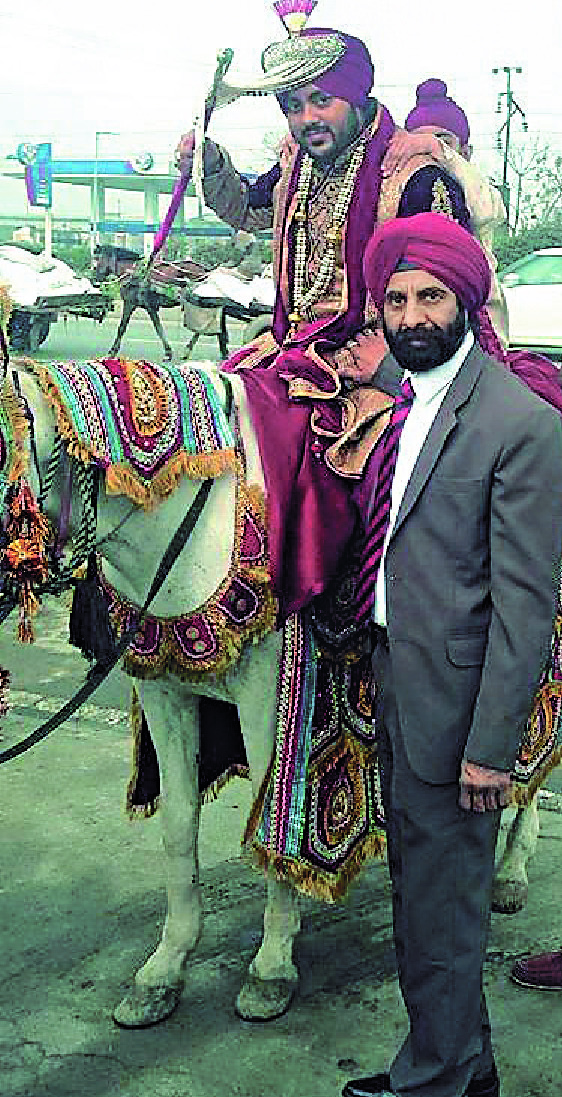
Ethnic minorities are invaluable to the Correctional Services Department as their language strengths can be key to the rehabilitation of non-Chinese inmates.
That fact came in a response to The Standard, with the CSD saying there are currently 49 non-Chinese officers in the department among about 6,000 uniformed personnel.
Some of them have handed the duty torch to sons and grandsons.
Parminderjit Cheema, 35, is an assistant CSD officer at Lai Chi Kok Reception Centre, a remand facility.
He speaks a number of languages, which helps in interactions with non-Chinese inmates, noted Standard sister publication Eastweek magazine.
"Apart from English and Cantonese I speak Hindi, Punjabi, Urdu, Bengali and Nepali," Cheema said.
"Although most ethnic minorities speak Cantonese, using a language with which inmates are familiar allows them to understand correctional officers more clearly and to get to know each other in a more friendly way. That is extremely helpful in terms of rehabilitation work."
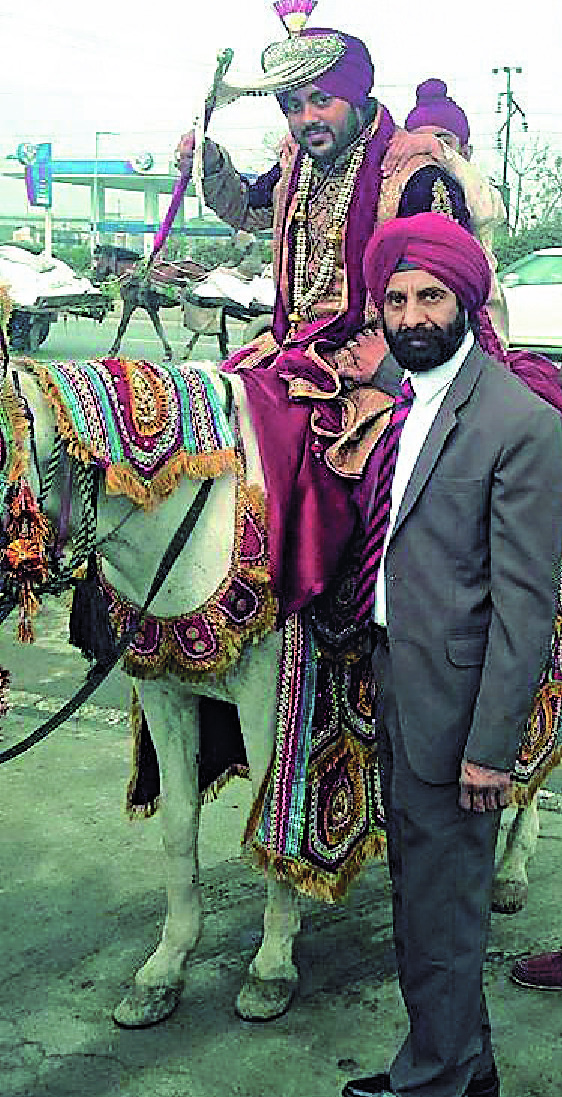
His father, Daljit Cheema, also works in the CSD. It was through him that Parminderjit became interested in a CSD career.
The father explained: "I'm a member of the CSD's hockey and distance running teams. As I took my son along to practice he also started to show interest in being a CSD officer."
Daljit joined the department in 1983 and has now been stationed for eight years at Stanley Prison, one of Hong Kong's two maximum-security facilities.
There, he has supervised Category A prisoners. Such prisoners will have committed murder or other serious crimes, which usually means at least 12 years behind bars.
"Maybe my appearance is more on the ferocious side," Cheema snr said. "Inmates usually listen to my commands.
"With time, though, I've found counseling is also important to people in custody. For there might be a greater chance for them to change their mentality."
The Cheemas are one family in the CSD for generations.
Baljeet Chahal's family has served the department for nearly 100 years.
In 1947, he noted, then acting commissioner of prisons John Burdett said in his annual report that he appreciated the contributions of Indian officers.
At that time, 40 percent of 577 male officers employed by the department were Indian, and Baljeet Chahal's grandfather was among them.
"I've often heard from my grandfather and my father about their work," Baljeet said.
"That's why I'm proud to be the third generation in my family to work for the CSD. I've served for 35 years."
Kaur Sukhdeep, 21, who migrated with her family to Hong Kong when she was nine, is stationed at the medium security Lo Wu Correctional Institution, where nearly 40 percent of inmates are non-Chinese.
Sukhdeep said she could understand the cultures of ethnic minorities and so be in tune with mindsets.
"Once, there was a southeast Asian in custody who learned that one of the elders in her neighborhood passed away, and she was emotionally unstable.
"We communicated with her in her mother tongue and told her the elder who had passed would not want her to be unhappy, which helped calm her."
Sukhdeep was praised by her superior for handling that incident.
"I enjoy the sense of satisfaction as I can contribute to society with what I excel in," she said.