Read More












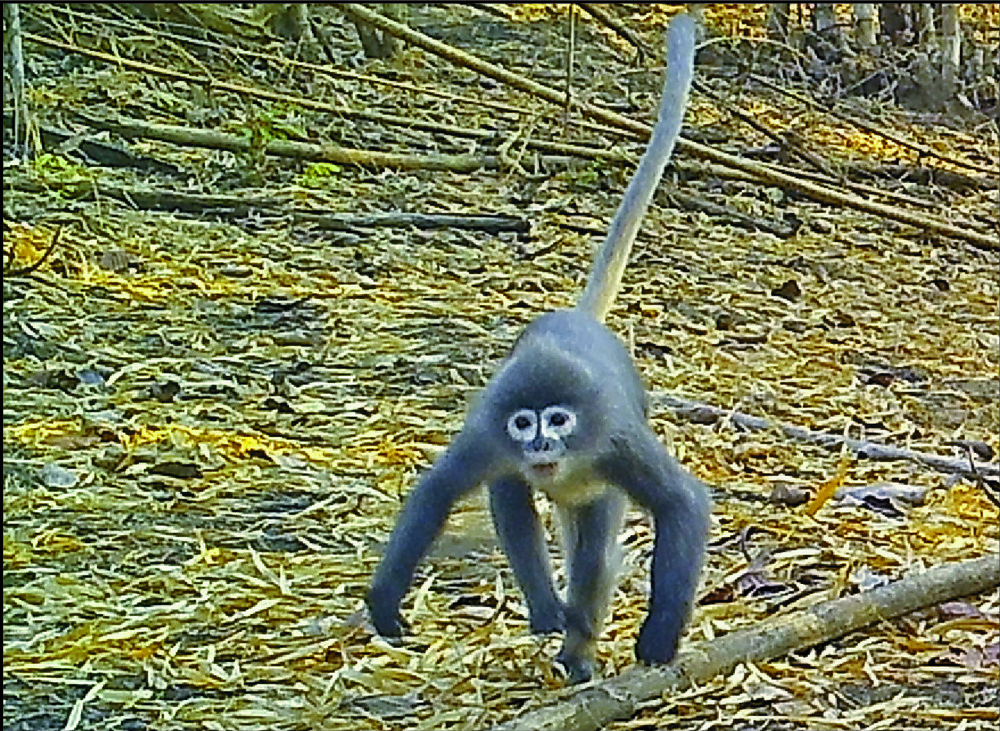
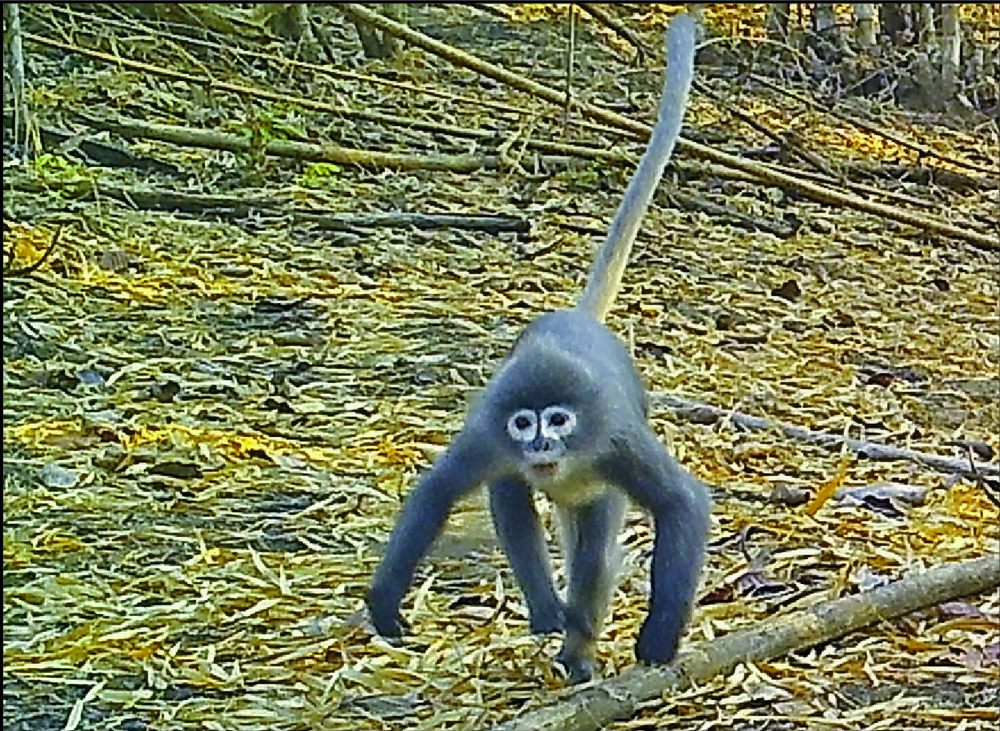
A monkey with ghostly white circles around its eyes is among 224 new species listed yesterday in the World Wildlife Fund's update on the greater Mekong region, which includes Vietnam, Cambodia, Laos, Thailand and Myanmar.
The monkey is called the Popa langur for it lives on the sides of the extinct Mount Popa volcano in Myanmar. It was the only new mammal.
There are also dozens of newly identified reptiles, frogs and newts, fish and 155 plant species, including the only known succulent bamboo species, found in Laos.
The region is a biodiversity hotspot, and including the latest list - the 224 finds were for 2020, but last year's report was delayed - scientists have identified more than 3,000 new species in the region since 1997.
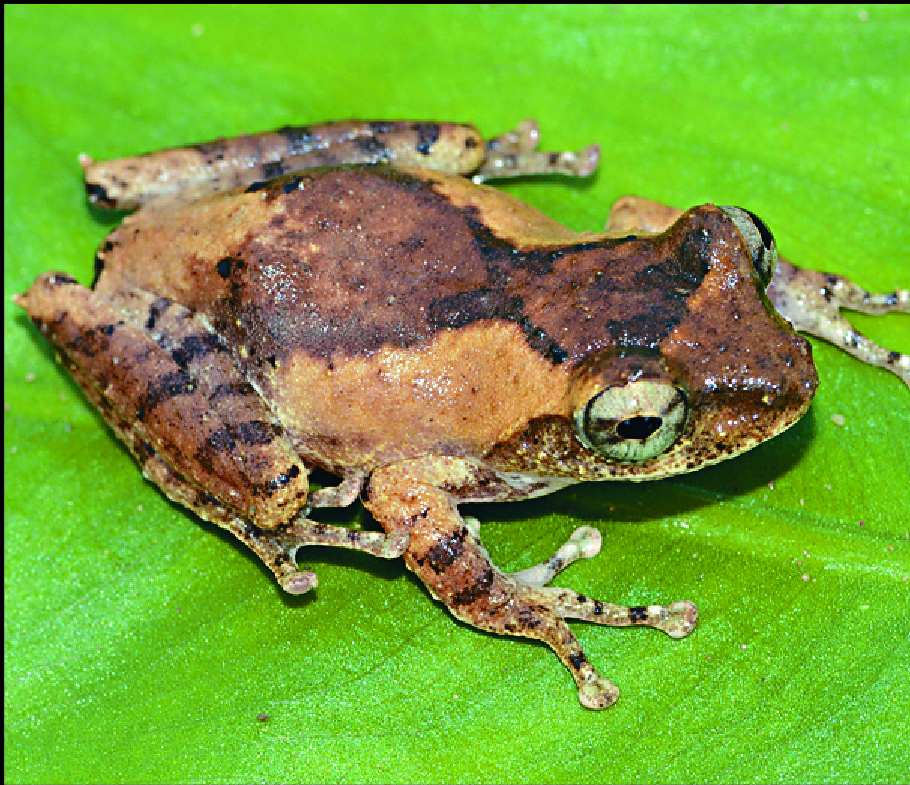
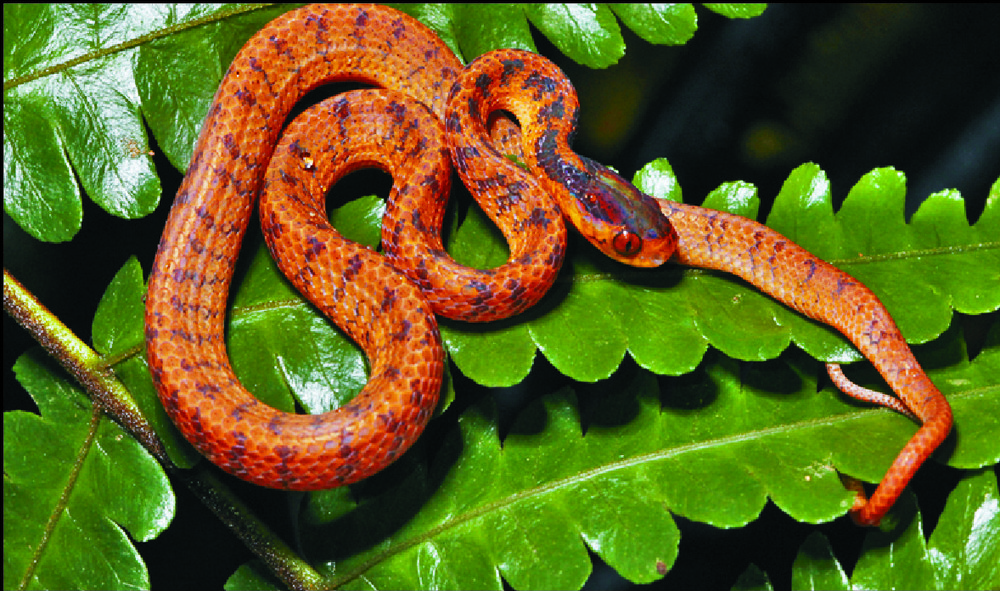
But identifying new species is tricky and can sometimes only be determined using a variety of methods, such as frog calls and genetic data to distinguish the Cardamom leaf little frog. Some species are found in more than one country, including the bright orange twin slug snake, which consumes slugs.
The Popa langur was identified based on genetic matching of recently gathered bones with specimens from Britain's Natural History Museum collected more than a century ago.
Two main distinguishing characteristics are the broad rings around its eyes and front-pointing whiskers.
The monkey is a candidate to become a critically endangered species on the Red List of the International Union for the Conservation of Nature. Only 200 to 250 are thought to be in the wild.
Despite human encroachments, much of the Greater Mekong is still little explored and each year dozens of new species are found - a glimmer of hope.