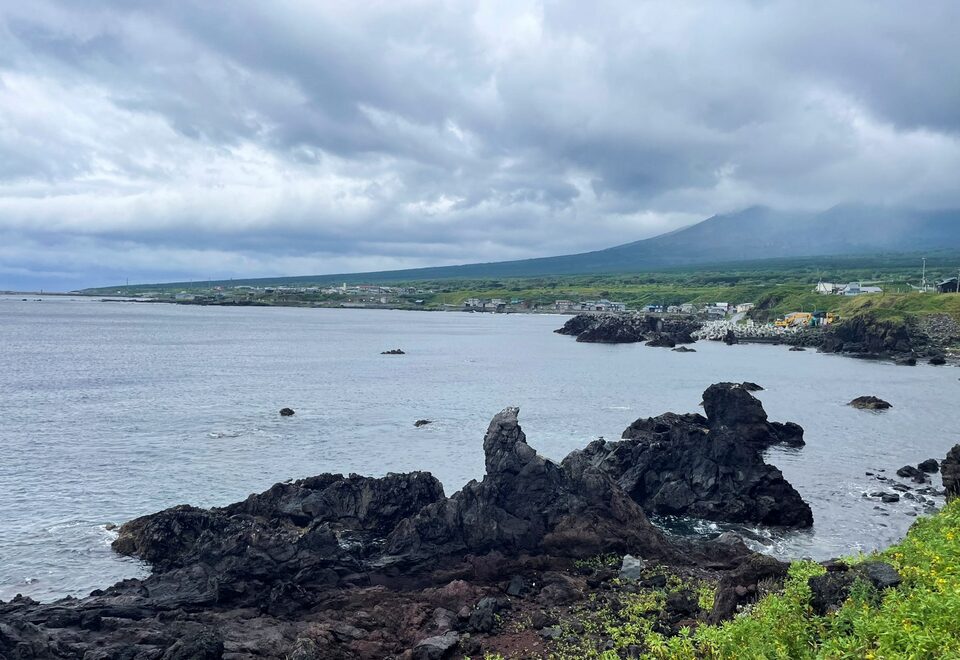
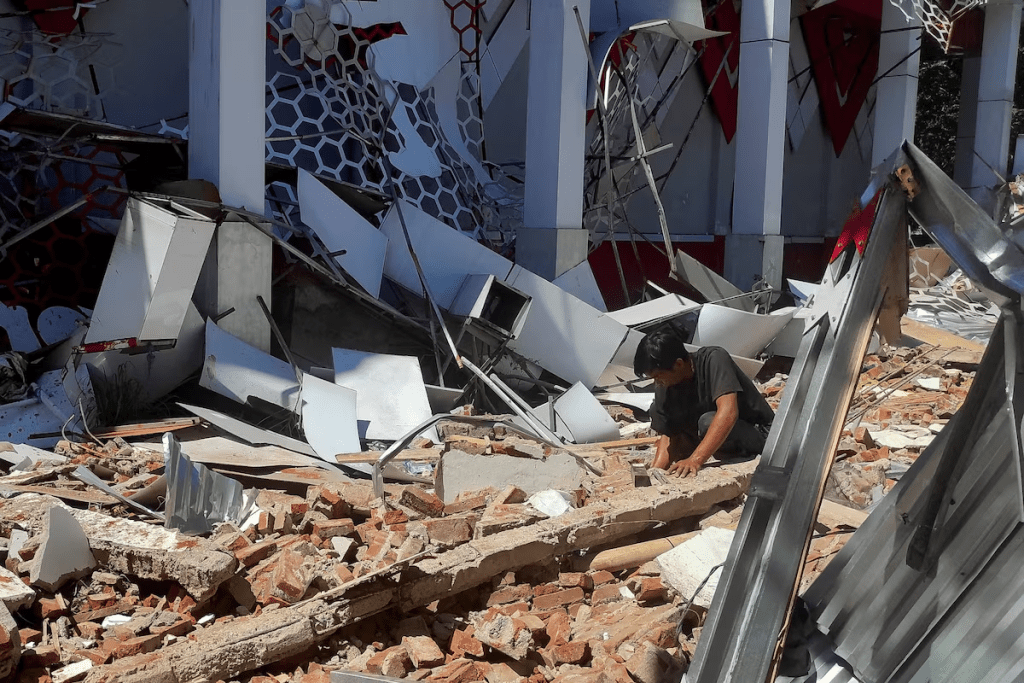
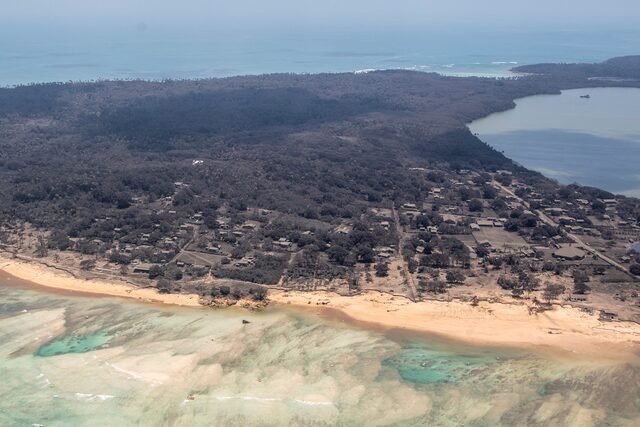
Japanese researchers are warning that a catastrophic mega-earthquake could strike off the coast of Hokkaido at any time, as seismic data reveals a dangerous buildup of energy beneath the ocean floor.
A government expert panel raised alarms last March about the unreleased pressure from the Kuril–Kamchatka Trench east of Hokkaido, warning it could potentially trigger a magnitude 9 earthquake and urging immediate review of earthquake and tsunami preparedness measures.
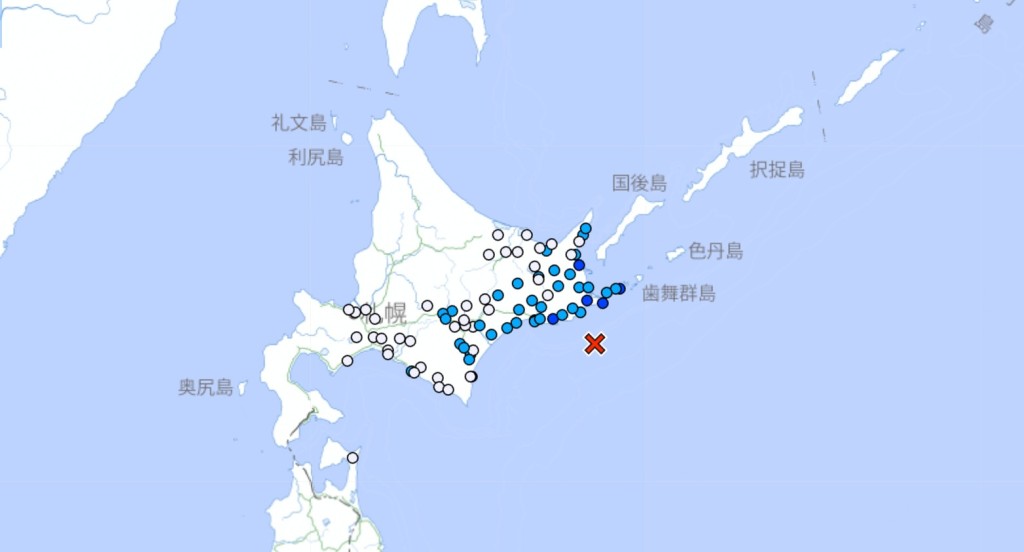
Japanese media reported that a team from the University of Shizuoka and the Japan Agency for Marine-Earth Science and Technology (JAMSTEC) stated last Friday (Feb 6) that analysis of earthquake data from the Japan Meteorological Agency indicates the energy is continuously accumulating beneath the seabed off the coast of Tokachi, potentially triggering a mega earthquake at any time.
The research team analyzed earthquakes of magnitude 2.5 or greater that occurred between 2000 and 2025 off the coasts of Hokkaido and the Tohoku region. By calculating accumulated energy in the Earth's crust based on earthquake frequency and magnitude, they identified a zone of steadily increasing energy buildup off Tokachi's coast, with accumulation rates rising each year.
A professor from the University of Shizuoka stated that the sea off Hokkaido has reached a mature stage where a mega-earthquake could occur.
The findings align with long-term assessments by Japan's Earthquake Research Committee, which note that mega earthquakes strike the Hokkaido coast approximately every 340 to 380 years. The last such event occurred in the 17th century — roughly 400 years ago, meaning the region is statistically overdue.
The committee estimates there is a 7 percent to 40 percent probability of a mega-earthquake occurring within the next 30 years, warning that the timeframe for such a catastrophic event may be approaching.