Read More
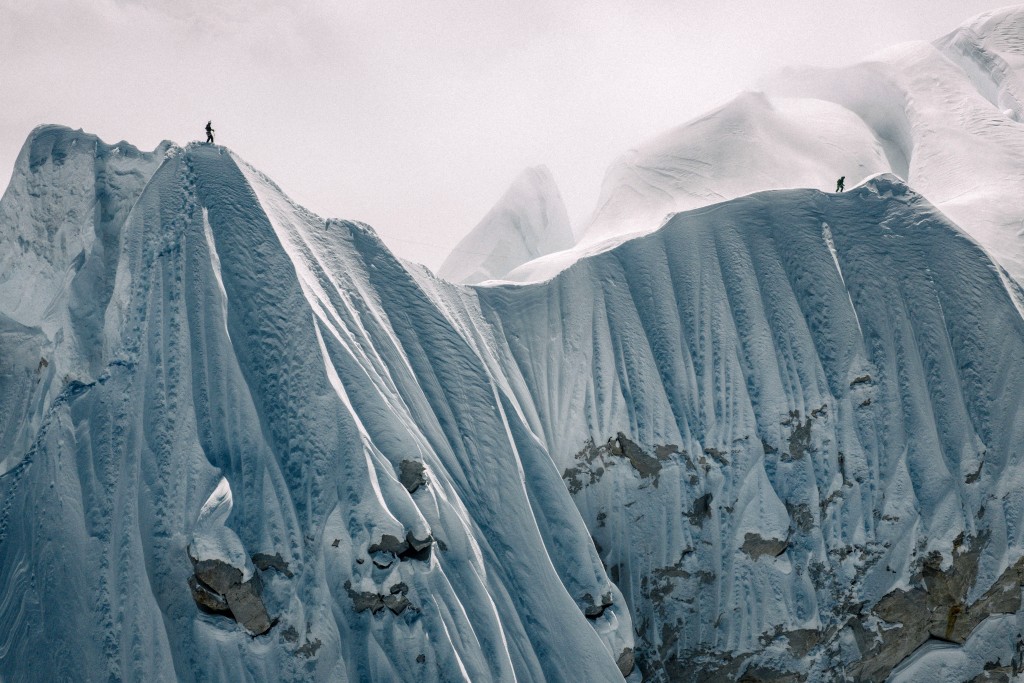
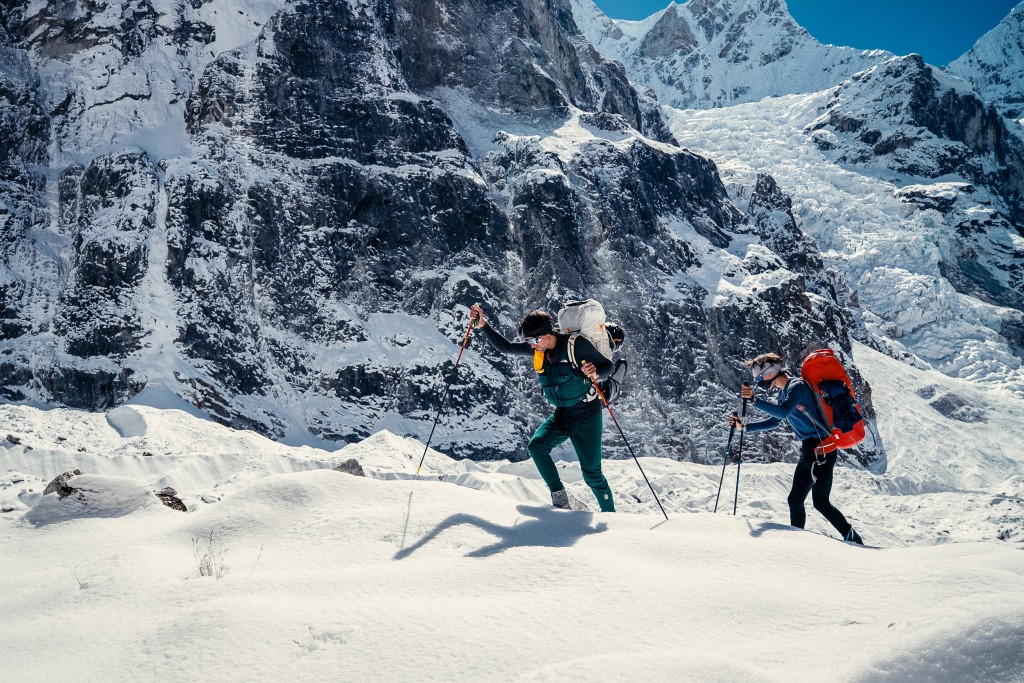
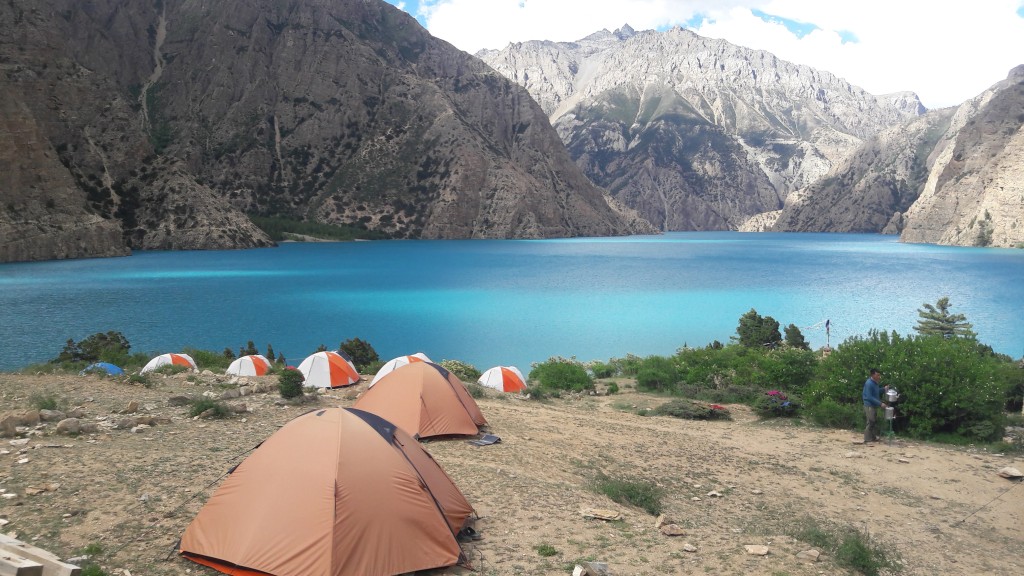
As climbing fees for Mount Everest climbed by 40 percent during peak trekking season, Nepal is offering an alternative–free entry to the 97 uncharted peaks in the northwest for the next two years to help divert crowds.
ADVERTISEMENT
SCROLL TO CONTINUE WITH CONTENT
Home to eight of the world's fourteen highest peaks, Nepal has long relied on mountain tourism as a crucial revenue source, with the industry contributing around HK$23 billion last year–nearly 7 percent of the country's GDP, according to official statistics.
With normalcy returning after the September massive protests and stable weather gracing the Himalayas, Nepal is set to revive its tourism sector through continuing policies that pave the way for international travelers.
The authorities announced the new initiative will open peaks between 5,800-7,000 meters in Karnali and Far Western provinces, waiving all permit fees over the next two years.
"These measures aim not only to attract climbers to unexplored mountains but to drive infrastructure and tourism development in these regions," said Himal Gautam of Nepal Tourism Board.
Replicating the Everest industry chain
In addition to dispersing climbers from Everest, the new policy aims to replicate the mountain industry chain in relatively impoverished areas.
Under established international protocols, all climbs above 5,000 meters are classified as technical climbing expeditions, requiring special permits from local authorities since these peaks typically fall within protected areas or national parks.
Reports indicate that Nepal generated approximately 46 million NPR (around HK$2.5 million) from climbing permits last year, with Everest accounting for over three-quarters of that revenue.
With the government’s requirement for climbers to hire local guides, it directly funds guides and fuels demand for various services—from camping and supplies to transport and lodging—delivering significant economic benefits to local communities and establishing a “mountain industry chain.”
The World Travel and Tourism Council (WTTC) estimates that Nepal's tourism sector created 1.2 million local jobs in 2024.
With the implementation of the new policy, it is projected to add at least NPR 2 billion annually to the region.
However, some analysts call the fee waiver a reluctant compromise, noting that without clear permit quotas, dozens to hundreds of climbers already share single permits
In the past two years, only 68 climbers ventured into the northwestern mountains, while 421 permits were issued for Everest, attracting over a thousand climbers.
More accessible south route
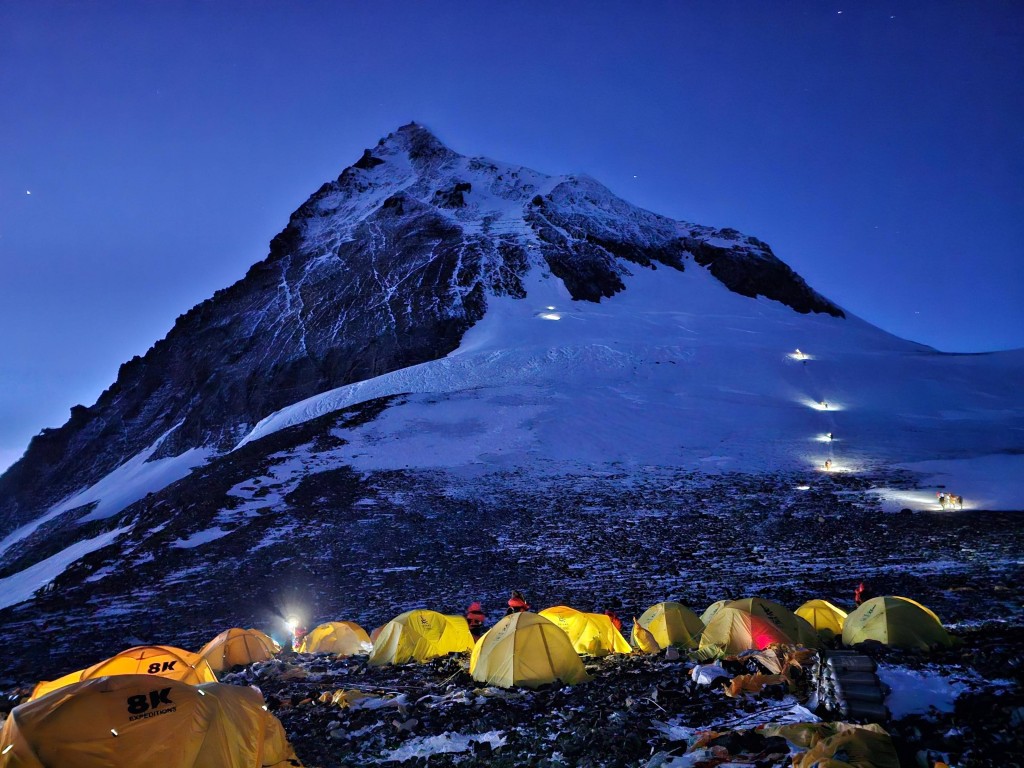
Mount Everest, standing at over 8,848 meters, offers two main routes: South Col Route from Nepal and the Northeast Ridge Route from Tibet, China.
The difference between the two main routes up Everest make the south route in Nepal more accessible for many—costs around 230,000 NPR–while the challenging north route in Tibet—run by one primary company—costs at least 500,000 NPR.
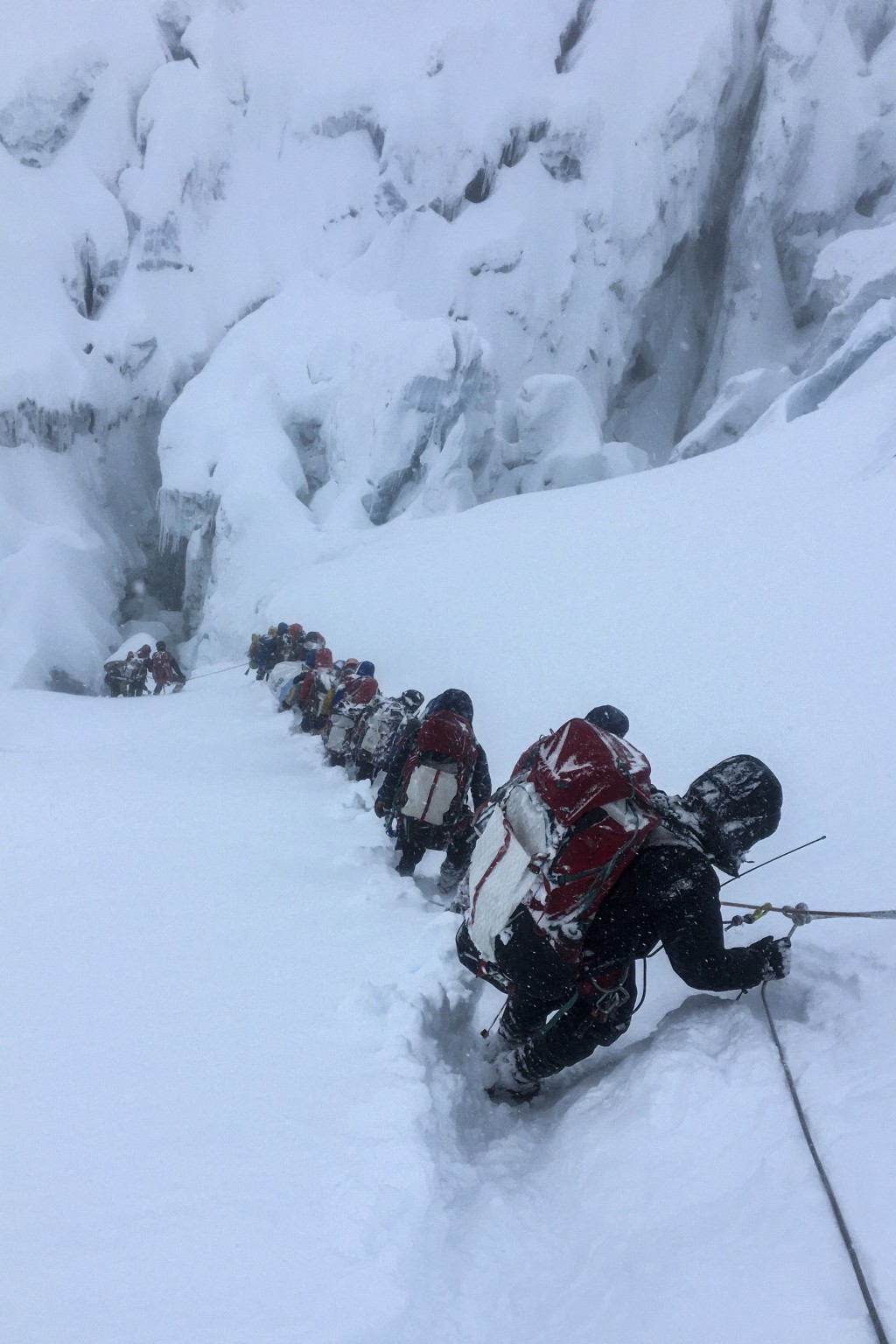
However, overcrowding on Everest has escalated into a critical safety issue after the pandemic, forcing climbers to queue for hours in the "death zone" at 8,000 meters—an altitude where extreme conditions make prolonged exposure deadly.
In early October, an unexpected snowstorm hit the Himalayan region, disrupting the traditionally stable autumn climbing weather and trapping hundreds of climbers.
The severe weather claimed the lives of around 60 individuals, with heavy snowfall and rainfall triggering multiple landslides and floods, damaging roads, bridges, and communication facilities, which delayed rescue efforts.
With 478 climbing permits issued in 2023, at least 12 climbers were reported dead and five went missing. Last year, eight climbers also perished, including Filipino climber Philipp Santiago II, who tragically died at Camp IV after experiencing extreme fatigue.
Despite the government’s limits on the number of permits for Everest and other peaks, many inexperienced climbers still manage to obtain permits through various means.
Consequently, some analysts point out that the recent decision to open the northwestern region for free climbing aims not only to distribute the crowds but also to position the nearly 100 peaks as ideal training grounds for climbers, thereby reducing the risk of accidents.
While the Nepalese government has yet to announce plans for developing transportation and hospitality infrastructures in the northwestern region, it is expected the country will leverage its "mountain economy" to further expand its gambling industry, attracting foreign investment through diverse means.
New record achieved by Sherpa guide
As the country develops a mountain economy, the Sherpa people have played an essential role as guides, making them indispensable partners for foreign climbers.
This May, renowned Sherpa guide Kami Rita, age 55, led an Indian Army climbing team and achieved his 31st summit of Mount Everest, setting a new world record in the process.
Holding the record for the most summits of peaks over 8,000 meters, Rita has successfully climbed Everest, K2, Lhotse, and Cho Oyu.
Known as "a climbing hero who needs no introduction and a global symbol of Everest," he has led commercial expeditions to Everest nearly every year since 1994, even accomplishing the remarkable feat of summiting twice within a month.