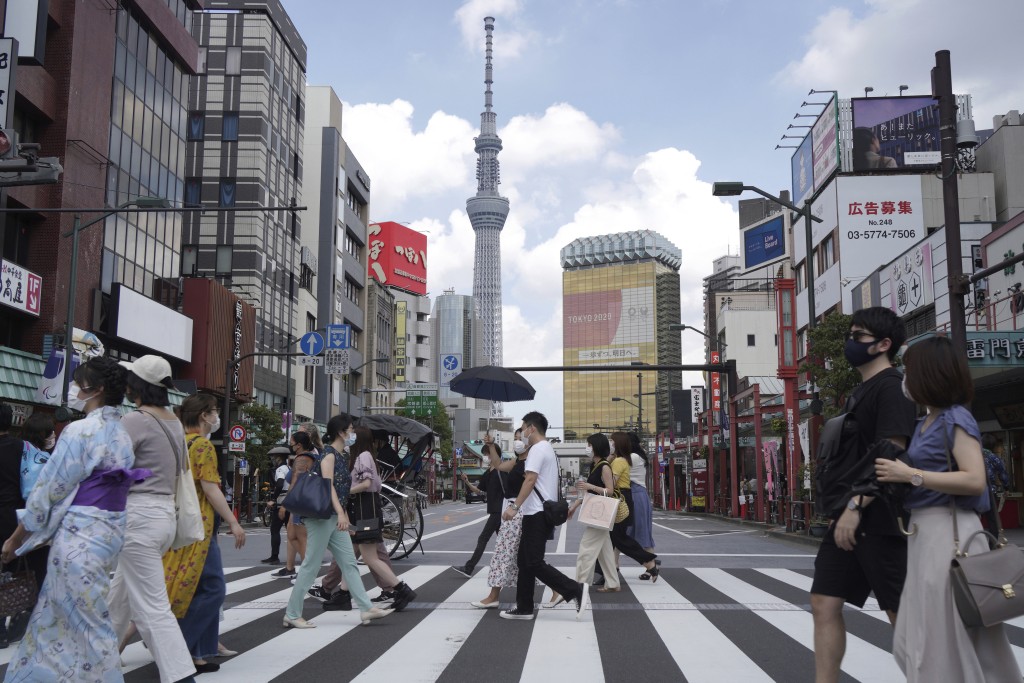
Japanese seismologists have warned of a 70 percent probability that a magnitude-7 earthquake could strike the southern Kanto region, including Tokyo, within the next three decades — a scenario that could devastate the nation’s capital.
The warning was reiterated by Professor Hiroki Kamata of Kyoto University, a leading volcanologist, who emphasised Japan’s growing seismic vulnerability.
“An earthquake hitting Tokyo is not a matter of if, but when,” Kamata said, citing rising fault activity since the 2011 Great East Japan Earthquake.
Japan’s Central Disaster Management Council has also projected a similar risk level, confirming that Tokyo faces one of the highest earthquake probabilities in the country.
Simulated scenarios paint grim aftermath
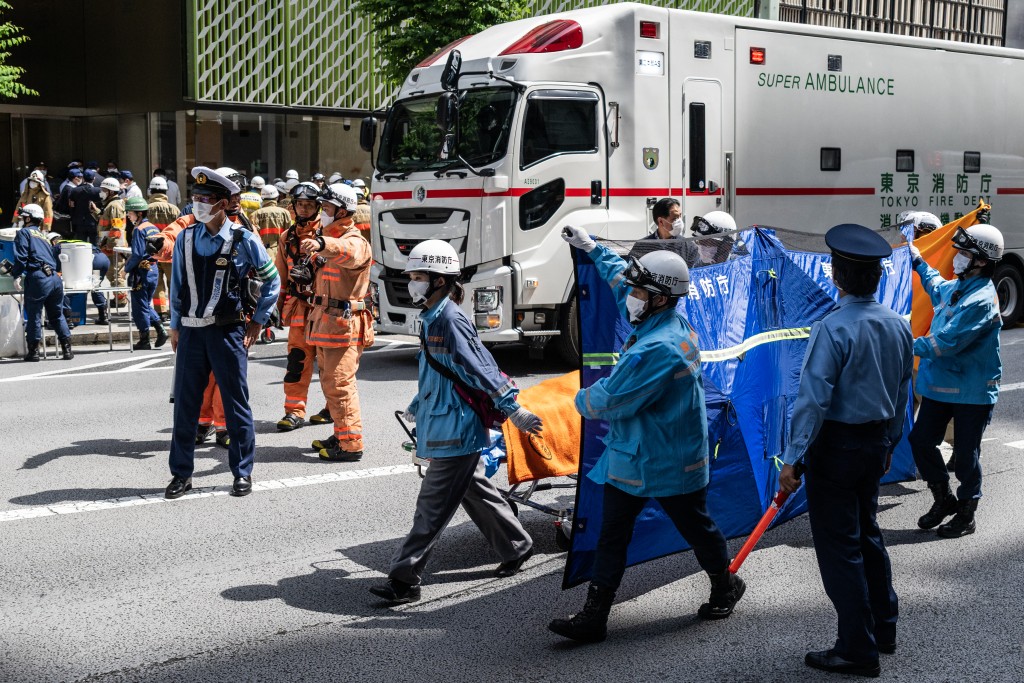
Government disaster simulations indicate that a direct-hit earthquake could result in around 11,000 deaths and the destruction or burning of more than 600,000 buildings, causing economic losses of up to 95 trillion yen (approximately HK$4.8 trillion).
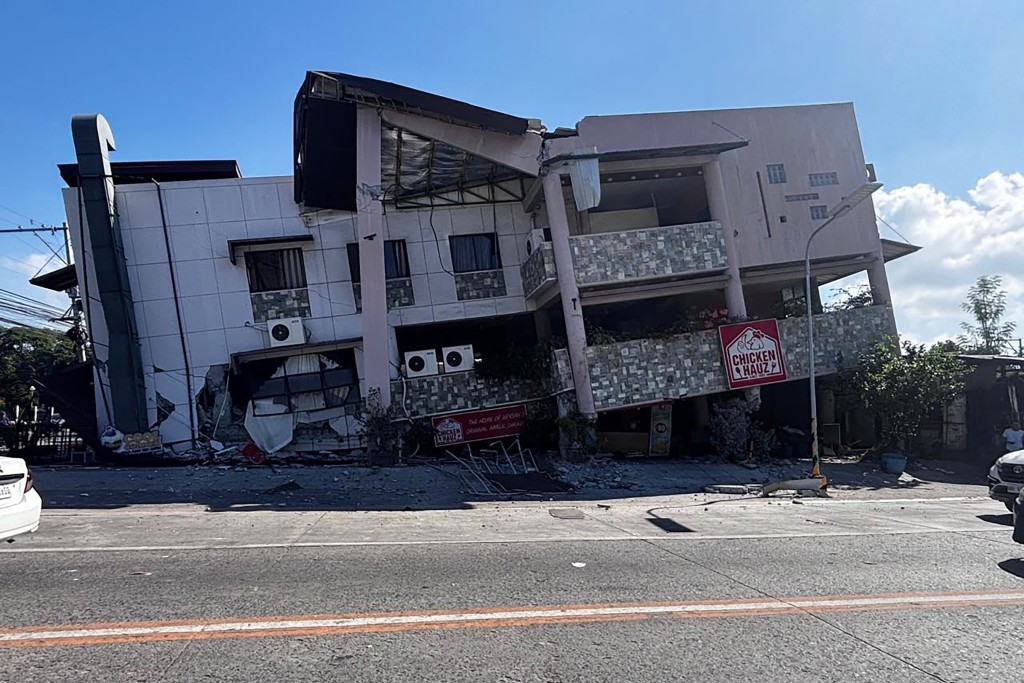
Another model shows that 60 percent of Tokyo’s 23 wards would experience tremors measuring upper 6 or higher on Japan’s seismic intensity scale, with most fatalities caused by collapsing structures and post-quake fires.
A 2022 simulation further suggested that essential supplies could run out within three days, while evacuation centers might face health crises and social conflicts within a week. By the one-month mark, worsening resource and labour shortages could fuel crime, looting, and public disorder.
A city on the brink of paralysis?
Experts also warned that up to eight million people could be stranded across the greater Tokyo area due to widespread transport disruptions. The capital alone, home to 4.53 million residents, has 1.3 times the population affected by the 2011 disaster.
Authorities caution that if residents attempt to walk home en masse, overcrowding at major train stations could trigger dangerous stampedes.
Meanwhile, prolonged outages in water, electricity, telecommunications, and transport networks could paralyse emergency services, leaving Tokyo — one of the world’s largest metropolitan areas — struggling to maintain order in the wake of catastrophe.