Read More






China to work with US on slashing tariffs
15 hours ago

ImmD crackdown targets moonlighting domestic helpers arresting 17
19-05-2026 17:52 HKT

University student, 23, killed in school bus crash in Kowloon City
20-05-2026 00:39 HKT
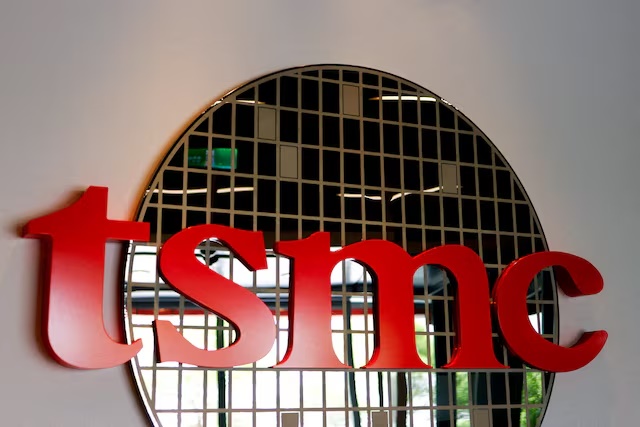
President Donald Trump's administration has revoked Taiwanese semiconductor giant TSMC's authorization to export US chipmaking equipment to China without a license, further restricting access to US technology in the country.
The move comes as the US Commerce Department moved to end the "validated end-user" (VEU) program allowing select foreign semiconductor manufacturers to export US-origin goods and tech license-free to make chips in China.
"TSMC has received notification from the US Government that our VEU authorization for TSMC Nanjing will be revoked effective December 31, 2025," said a spokesperson for Taiwan Semiconductor Manufacturing Company on Tuesday.
"While we are evaluating the situation and taking appropriate measures, including communicating with the US government, we remain fully committed to ensuring the uninterrupted operation of TSMC Nanjing," TSMC added in a statement.
TSMC is the world's largest contract maker of chips that are used in everything from smartphones to missiles, and counts Nvidia and Apple among its clients.
But the center of its most advanced manufacturing remains in Taiwan, the self-ruled island Beijing claims as part of its territory.
Taiwan's economic ministry said Wednesday that the US move was expected to "affect the predictability of the plant's future operations."
However, the ministry pointed out that TSMC's Nanjing plant only accounts for around three percent of its total production capacity and "even lower" of the island's overall chip production.
"We estimate that this will not affect Taiwan's overall industrial competitiveness," it said in a statement.
On Friday, the Commerce Department's Bureau of Industry and Security said that former VEU participants will have 120 days after the new rule is published in the Federal Register to apply for and receive export licenses.
But while the bureau plans to grant licenses to allow these businesses to run existing China-based plants, it does not plan to issue licenses for them "to expand capacity or upgrade technology," it said.
AFP