Experiencing eczema or memory decline could be warning signs of chronic inflammation in the body. To help "put out the fire" in your body, a nutritionist recommends consuming 6 major categories of anti-inflammatory foods. Eating more grapes and eggplant, among others, can help fight allergies and protect the brain.
Nutritionist Lam Lei-sam wrote on her Facebook page that the dietary habits of city dwellers often rely on takeout, which commonly uses soybean salad oil rich in omega-6. Frequently eating fried foods and desserts, chronic stress, lack of sleep, lack of exercise, and exposure to environmental toxins – these lifestyle and dietary habits can easily plunge the body into a state of chronic inflammation. This type of inflammation cannot be measured with a thermometer; it's not a fever, nor is it the traditional acute redness, swelling, heat, and pain. However, it chronically drains the body's energy, and its symptoms are often widespread and vague:
- Persistent Fatigue: Feeling tired even after getting enough sleep.
- Brain Fog: Difficulty concentrating, memory decline, or unclear thinking.
- Digestive Issues: Frequent bloating, diarrhea, constipation, or acid reflux.
- Unexplained Aches: Muscles or joints often feel stiff and achy without obvious injury.
- Skin Problems: Recurring eczema, hives, allergies, or severe acne.
- Difficulty Losing Weight: Especially belly fat accumulation, as visceral fat itself secretes inflammatory factors.
- Mood Swings: Prone to anxiety, depression, or emotional instability.
She states that to "put out the fire" in the body, one must address diet, lifestyle habits, exercise, and stress relief simultaneously – all are essential. Regarding diet, she recommends adjusting towards an anti-inflammatory eating pattern: consuming whole foods, keeping meals clean, eating fewer processed foods, and diversifying fruit and vegetable intake. The core lies in consuming abundant natural antioxidants, high-quality oils, and dietary fiber. This not only helps reduce chronic inflammatory responses in the body but also helps regulate the immune system. She compiled common anti-inflammatory foods:
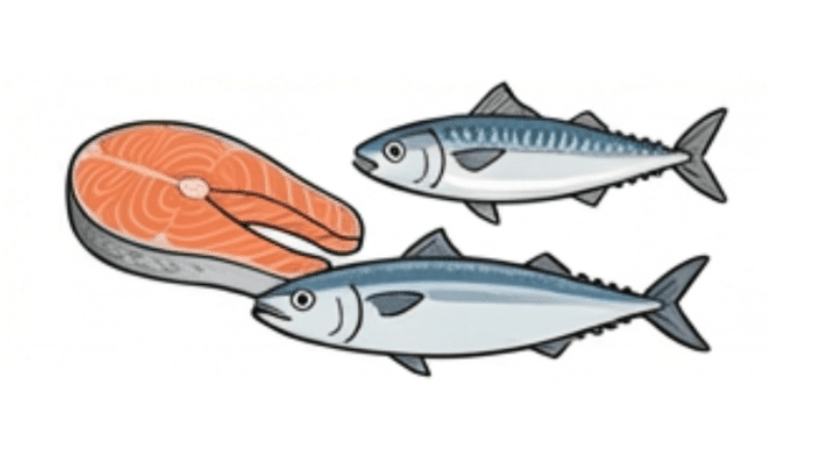
- Oils Containing Omega-3: Omega-3 in deep-sea fish like salmon, mackerel, and saury, specifically the EPA component, has anti-inflammatory effects. Vegetarian sources of omega-3 fatty acids include flaxseed oil, perilla oil, chia seeds, and camelina oil (suitable for high-temperature cooking).
- Nuts and Seeds: Walnuts, almonds, pumpkin seeds, etc., contain Vitamin E and various minerals. Vitamin E has excellent antioxidant capacity; it's best obtained from natural foods without needing additional Vitamin E supplements.
- Natural Spices: Turmeric, ginger, garlic, etc., all have antioxidant effects. Curcumin is fat-soluble and needs to be consumed with fats for absorption. It's suitable for mixing directly into dishes, like cooking turmeric rice, or adding a small spoonful of turmeric powder, cold-pressed olive oil, and black peppercorns when blending green smoothies. Remember not to consume large amounts and be mindful of the product source for heavy metal residues. However, turmeric is not suitable for everyone; those with a cold, pregnant women, or individuals taking anticoagulant medication should avoid it.
- High-Quality Fats: Cold-pressed extra virgin olive oil is rich in olive polyphenols. Although its heat tolerance can reach 190 degrees, to maximize olive polyphenol intake, the best method is to drizzle it directly after cooking, or use methods like water sautéing or steaming vegetables to avoid excessively high oil temperatures.
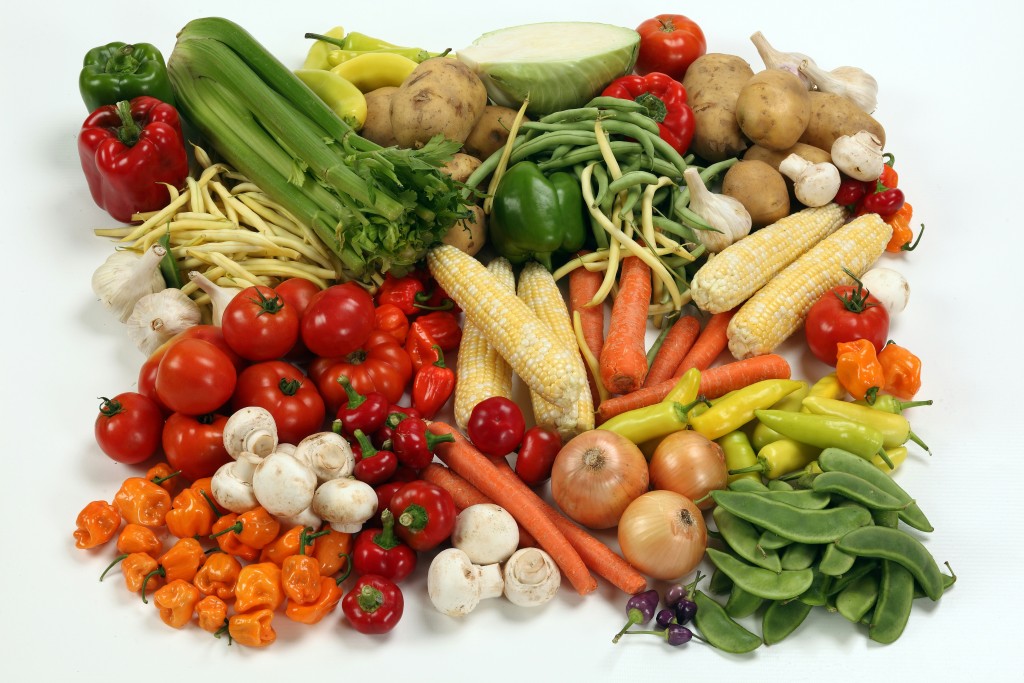
- Rainbow Fruits and Vegetables: Fruits and vegetables contain various phytochemicals, natural chemicals plants produce for self-protection, which provide powerful antioxidant and anti-inflammatory capabilities for humans. Rainbow fruits and vegetables include:
- Red: Contains lycopene, anthocyanins, quercetin, etc., helping protect cardiovascular health and maintain urinary tract health. Common foods include tomatoes, red peppers, strawberries, watermelon. Note that lycopene needs fats for absorption.
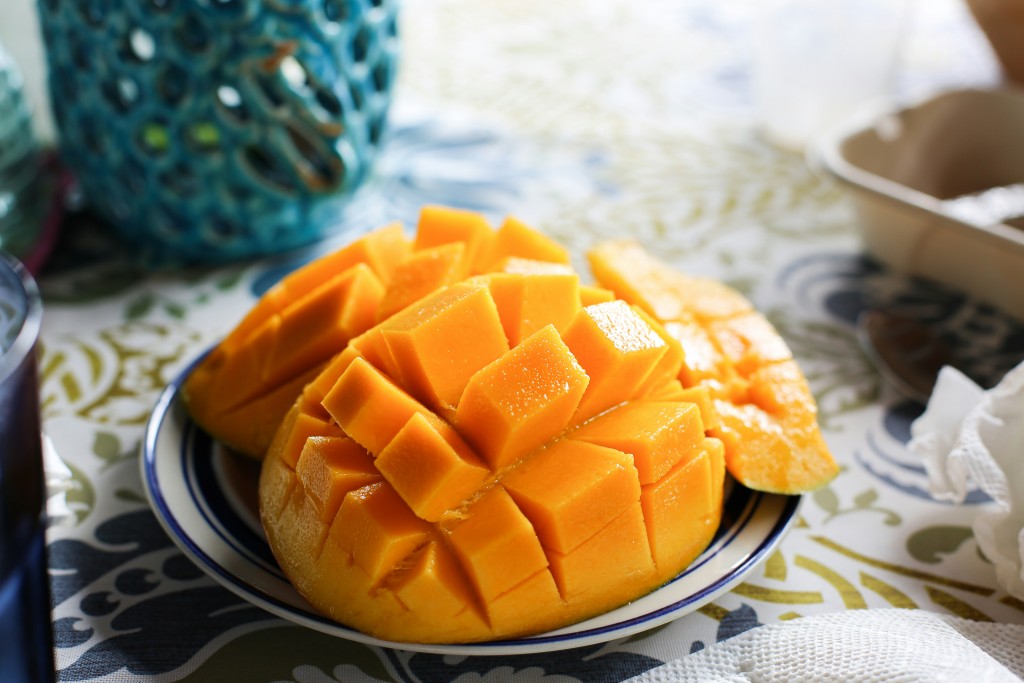
- Orange/Yellow: Contains beta-carotene, zeaxanthin, lutein, helping protect eyesight and strengthen immunity. Food sources include carrots, pumpkin, papaya, corn, yellow bell peppers, citrus fruits. The eye-protecting compounds in these foods also need fats for absorption. People who frequently use phones should consume more yellow-orange fruits and vegetables, as lutein and zeaxanthin help combat blue light damage.
- Green: Contains chlorophyll, catechins, isothiocyanates, lutein, etc., providing strong antioxidant power and aiding liver metabolism and detoxification. Common foods include broccoli, broccoli sprouts, spinach, water spinach, kiwi fruit, green tea.
- Blue/Purple: Contains anthocyanins, resveratrol, ellagic acid, etc., helping delay brain degeneration, improve memory, enhance cognitive function, and fight allergies. Food sources include blueberries, grapes, eggplant, purple sweet potatoes, red cabbage.
- White: Contains allicin, quercetin, sulfides, polysaccharides, etc., helping strengthen the respiratory tract and regulate blood pressure and lipids. Common foods include garlic, onions, white radish, cabbage, mushrooms, snow fungus.
- Fermented Foods: Unsweetened yogurt, natto, etc., help establish a healthy gut microbiota, forming the foundation for anti-inflammation.
She reminds us that the so-called "rainbow diet" suggests trying to consume foods from all five color groups daily. Because different phytochemicals work synergistically in the body, diversified intake offers far more protective effects than eating just one single superfood. Achieving dietary diversity is indeed challenging, but you can daily check if you've consumed five different colors of natural fruits and vegetables and strive towards this goal.
What is Chronic Inflammation? 5 Common Factors That Induce It
According to the Centre for Liver Health at The Chinese University of Hong Kong, inflammation, also called the "inflammatory response," can be divided into acute and chronic types, with causes and characteristics as follows:
Acute Inflammation: Many people have experienced "acute inflammation," such as the
redness, swelling, heat, and pain when the skin is scraped and the body heals. It usually lasts from days to weeks and subsides after the triggering cause, such as injury or infection, is controlled. This type of inflammation is part of the body's immune system, a natural response to injury, infection, and tissue damage. Its purpose is to attract immune cells (like white blood cells) to the wound or infection site to quickly clear pathogens and repair damaged tissue.
Chronic Inflammation: "Chronic inflammation" means the body is in a prolonged state of inflammation over many years, which is definitely harmful. Diseases now confirmed to be associated with chronic inflammation include cancer, heart disease, rheumatoid arthritis, type 2 diabetes, obesity, asthma, and even cognitive decline in the elderly.
Common Causes of Chronic Inflammation:
- Untreated acute inflammation (e.g., acute hepatitis B and C can become chronic if the virus is not controlled or cleared).
- Autoimmune diseases, where the immune system mistakenly attacks the body's own cells over a long period.
- Long-term exposure to chemical irritants or air pollutants.
- Severe obesity, smoking, alcohol consumption.
- Persistent physical, psychological, or environmental stress.
Expert Profile: Lam Lei-sam Lin holds a Master's degree from the Department of Health and Nutrition at Taipei Medical University. She is a certified Diabetes Educator (CDE), a weight management nutritionist, holds a professional certification in sports nutrition (CTSSN), and is a certified nutritionist for long-term home care.