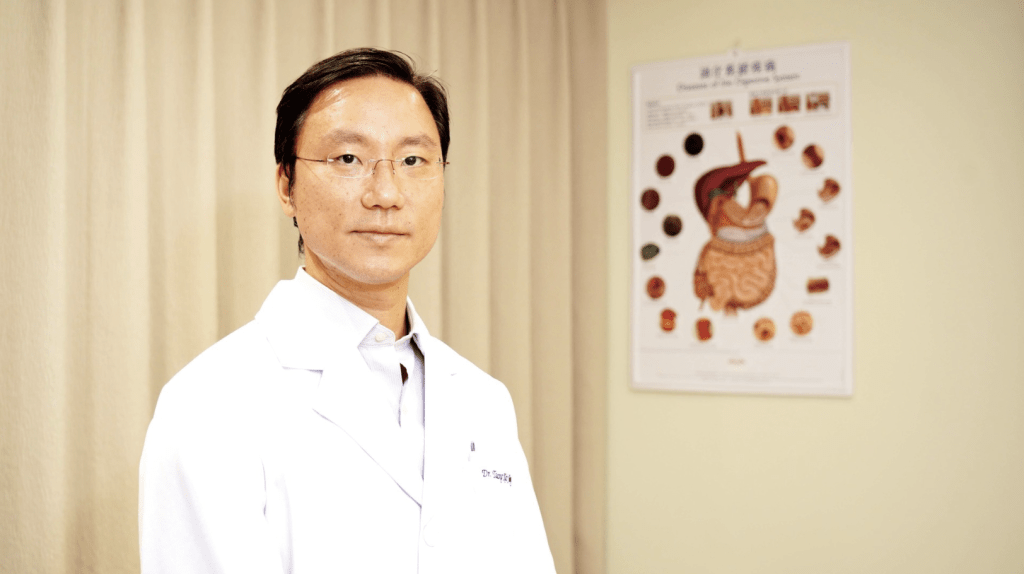
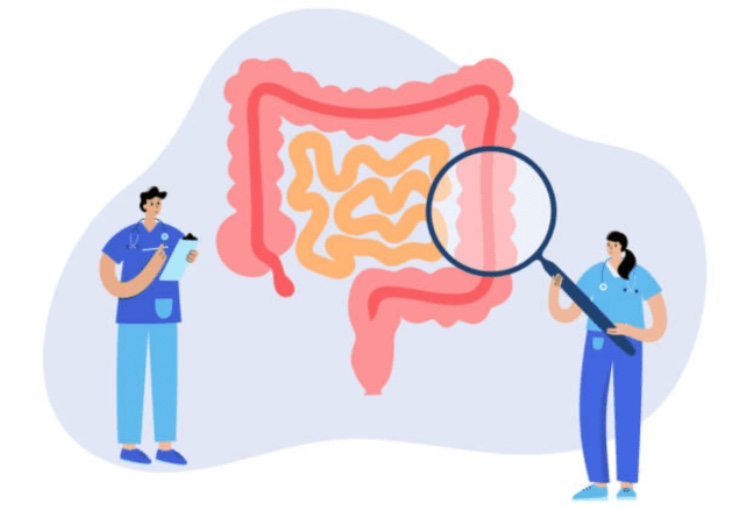
The median age for a colorectal cancer diagnosis is around 70, but data shows an upward trend beginning at age 50. Dr. Tsang explains that screening is generally recommended for individuals aged 50 and above. "The gold standard is a colonoscopy. It's an invasive procedure where a thin, flexible endoscope is inserted through the anus into the large intestine. If abnormal cells are detected, a tissue sample is taken for microscopic examination to determine if they are cancerous."
For non-invasive options, the most common is the fecal occult blood test (FOBT), which checks for blood in the stool. "Its drawback is relatively low sensitivity, only about 50-70%," Dr. Tsang notes. "If there's no bleeding at the time of the test, it can produce a false negative. Conversely, some patients may test positive, only to find out after further investigation that the cause is simply hemorrhoids."
Therefore, Dr. Tsang recommends that for patients exhibiting symptoms of colorectal cancer—such as changes in bowel habits, blood in the stool, frequent abdominal pain, or unexplained weight loss—a colonoscopy is the preferred first step. Conversely, for asymptomatic individuals, an FOBT can be considered first, with the results guiding the decision for a colonoscopy. "Because the FOBT has lower sensitivity, even if the result is negative, it's best to repeat the test every two to three years."
Newer Tests Offer Higher Sensitivity
However, some patients remain concerned about the invasive risks of colonoscopy and the required bowel preparation with laxatives, which can be difficult for some to tolerate. "Newer, non-invasive testing methods are now available. These analyze the gut bacteria present in the stool to estimate the probability of having colorectal cancer or polyps. This is based on the close relationship between the gut microbiome and colorectal cancer. An imbalance in the gut microbiome can increase intestinal toxins and inflammatory immune responses, raising the risk of developing cancer and polyps. By detecting bacterial genes in the stool, we can accurately assess a patient's risk for colorectal cancer, achieving a sensitivity as high as 94%—far superior to the FOBT."
Treatment Differs Significantly Between Early and Late-Stage Cancer
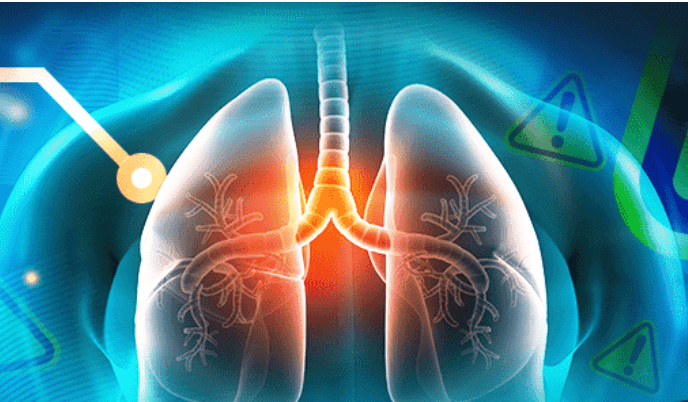
The emphasis on screening stems from the fact that early detection drastically changes both the treatment approach and the chance of a cure compared to late-stage diagnosis. "For early-stage colorectal cancer where the tumor hasn't spread elsewhere, surgery is the primary treatment, and the chance of a cure is very high. However, for stage 4 cancer that has metastasized to other organs like the liver, lungs, or bones, surgery alone cannot achieve a cure. Treatment then involves chemotherapy or targeted therapy, the chances of a cure are lower, and the treatment and recovery period are longer." This not only causes suffering for the patient but also places immense strain on the family. "Besides accompanying the patient through a lengthy treatment process, the family's stress increases significantly. For a simple example, if terminal colorectal cancer spreads to the lungs, the patient often experiences persistent coughing and shortness of breath, leading to sleepless nights. This naturally affects the mental well-being of both the patient and their family."
Preventing Colorectal Cancer Starts with Lifestyle
Alongside early detection, prevention is equally crucial. Dr. Tsang points out that common risk factors for colorectal cancer are largely linked to lifestyle and dietary habits. "Smoking and alcohol consumption increase the risk. Diet-wise, eating too much processed food like sausages, bacon, and ham, along with a low intake of high-fiber foods, also raises the risk. Other significant factors include family history; having a parent or sibling with colorectal cancer increases your own risk." Dr. Tsang notes that looking at past cases, hereditary and environmental factors play roughly equal roles. Since hereditary factors cannot be changed, "preventing colorectal cancer focuses on modifying lifestyle factors: eating less meat and more vegetables, and quitting smoking and alcohol."