A cancer diagnosis often doesn't come until the mid-to-late stages. A doctor points out that cancer typically takes many years to develop to an advanced stage. If you notice ten specific symptoms persistently occurring in your body, such as headaches or sore throats, they could be early warning signs of cancer. It's advisable to seek medical attention early to avoid delaying treatment.
10 Major Early Symptoms
Intensive care doctor Wong Hin stated on his Facebook page that cancer doesn't form in the body overnight. A single cancer cell often needs to undergo at least 30 or more cell divisions to grow into a tumor detectable by imaging, a process that takes years. He reminds everyone to be alert to whether ten types of signs persist in the body, as they could be early cancer symptoms.
- Persistent Fever
- Associated Symptoms: Fatigue, loss of appetite, weight loss, night sweats, or recurrent infections.
- Cancer Risk: Early sign of blood cancers, such as leukemia or lymphoma.
- Reason: Blood tumors affect the immune system and normal function of blood cells, making it difficult for the body to fight infections, hence fever becomes an important warning sign.
- Recommendation: Seek medical attention for blood tests or bone marrow examination.
- Non-Healing Mouth Ulcers (lasting over 2 weeks)
- Associated Symptoms: Oral pain, bleeding, or localized tissue thickening, hardening, or lumps; condition doesn't improve with general anti-inflammatory drugs or local treatment.
- Cancer Risk: Oral cancer.
- High-Risk Factors: Long-term smoking, alcohol consumption, poor oral hygiene, or HPV infection.
- Recommendation: Seek medical check-up; a biopsy may be needed for diagnosis to rule out malignancy.
- Difficulty Swallowing or Sensation of Choking
- Associated Symptoms: Fullness, pain, or burning sensation behind the breastbone; may later cause weight loss, vomiting, or hoarseness.
- Cancer Risk: Esophageal cancer.
- High-Risk Factors: Smoking, heavy alcohol use, chronic acid reflux, and frequently eating very hot foods.
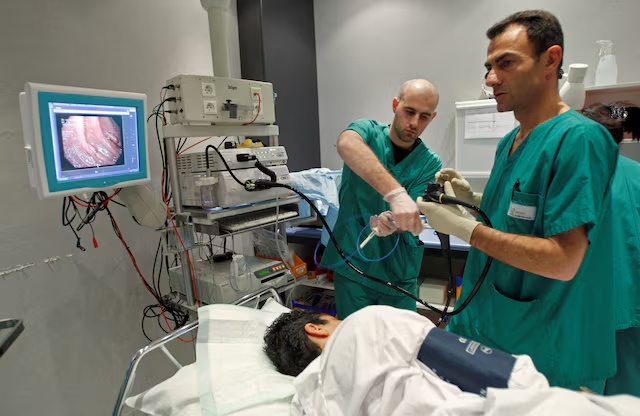
- Recommendation: Seek medical attention for endoscopy and biopsy.
- Rapid Weight Loss
- Associated Symptoms: Loss of appetite, fatigue, or chronic pain.
- Cancer or Other Disease Risks: Pancreatic cancer, stomach cancer, or lung cancer; diseases like diabetes or hyperthyroidism.
- Reason: These cancers consume a lot of the body's energy and secrete substances that affect metabolism, leading to rapid weight loss.
- Recommendation: Seek medical attention for blood tests, imaging (e.g., CT or MRI), and specific examinations for high-risk organs.
- Unexplained Vaginal Bleeding (e.g., post-menopausal or non-menstrual)
- Cancer or Other Disease Risks: Cervical cancer, endometrial cancer, other gynecological tumors; endometrial hyperplasia, uterine fibroids, or hormonal imbalances.
- Recommendation: Seek medical attention for gynecological examination, including ultrasound, endometrial biopsy, or Pap smear.
- Worsening Headache Frequency or Intensity
- High-Risk Timing: Headaches more pronounced in the morning, worsening with changes in body position.
- Associated Symptoms: Nausea, vomiting, blurred vision, limb weakness, unsteady gait, speech difficulties, or other neurological abnormalities.
- Cancer Risk: Brain cancer.
- Reason: Brain tumors may compress surrounding tissues or cause increased intracranial pressure, leading to these symptoms.
- Recommendation: Seek medical attention for imaging tests like MRI or CT scans to determine the cause.
- Swollen Lymph Nodes
- Locations: Neck, armpits, or groin.
- Associated Symptoms: Lymph nodes are not noticeably painful, feel hard, or are fixed in place.
- Cancer Risk: Malignant lymphoma.
- Recommendation: Seek medical attention for ultrasound, blood tests, or lymph node biopsy.
- Abnormal Bowel Habits
- Specific Symptoms: Persistent changes in stool shape or frequency, such as blood in stool, thinning stool, darker stool color, persistent diarrhea, or difficulty defecating.
- Associated Symptoms: Abdominal pain, bloating, or feeling of incomplete evacuation.
- Cancer Risk: Colorectal cancer.
- High-Risk Factors: High-fat, low-fiber diet, lack of exercise, obesity, family history, and chronic enteritis.
- Recommendation: Get early fecal occult blood test (FOBT), colonoscopy, or imaging studies.
- Sore Throat or Hoarseness (lasting over 2 weeks, unexplained)
- Cancer Risk: Thyroid cancer, laryngeal cancer.
- Thyroid Cancer Associated Symptoms: Neck lump, difficulty swallowing.
- Laryngeal Cancer Associated Symptoms: Voice changes, painful swallowing, breathing difficulties.
- Laryngeal Cancer High-Risk Factors: Smoking, excessive alcohol consumption, long-term exposure to harmful chemicals, and HPV infection.
- Recommendation: Seek medical attention for neck ultrasound, laryngoscopy.
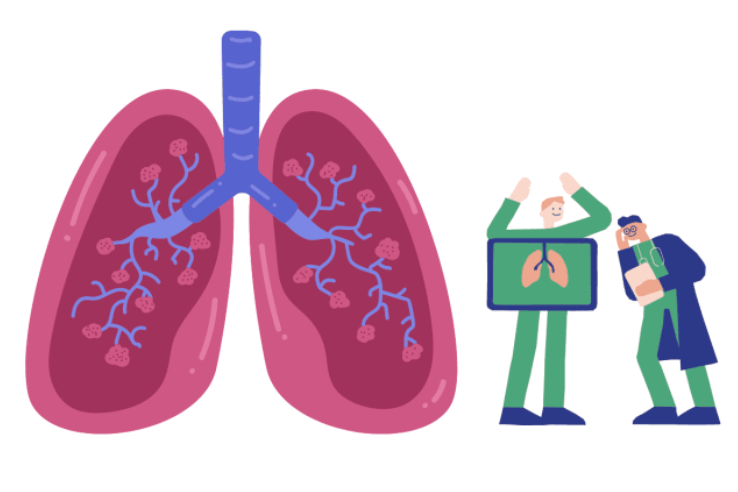
- Persistent Cough (lasting over 2 weeks)
- Associated Symptoms: Coughing up blood, shortness of breath, chest pain, unexplained weight loss.
- Cancer Risk: Lung cancer.
- High-Risk Factors: Smoking, long-term exposure to secondhand smoke, air pollution, and occupational exposure (e.g., to asbestos or radon gas).
- Recommendation: Seek medical attention for chest X-ray or CT scan.
Wong concluded that cancer does not happen overnight; it is generally the result of the combined effects of long-term accumulated poor lifestyle habits, environmental exposures, and genetic mutations. Therefore, cancer prevention and treatment need to start with "early detection, early diagnosis, and early treatment." Regular health check-ups are key to reducing cancer risk. When noticing the above signs in your body, you should seek medical examination immediately.