Is cancer preventable based on the foods you consume? There are a few that may prove to be helpful. A doctor has recommended four types of vegetables with powerful anti-cancer effects, which can help prevent seven major cancers. Notably, regularly eating one specific type of vegetable can reduce the risk of breast cancer by up to 70 percent.
Emergency medicine physician Dr. Cheung Sik-hang stated on his YouTube channel that "allium vegetables" from the Amaryllidaceae family, despite their strong odor, are rich in various organosulfur compounds that can inhibit cancer cells, as well as abundant phytochemicals like quercetin and flavonoids.
Research indicates that people who eat the most allium vegetables daily have a significantly reduced risk of developing various cancers, including stomach cancer, head and neck cancer, oesophageal cancer, colorectal cancer, lung cancer, prostate cancer, and breast cancer.
Cheung listed four types of allium vegetables with exceptional anti-cancer power and shared consumption methods to maximize their benefits.
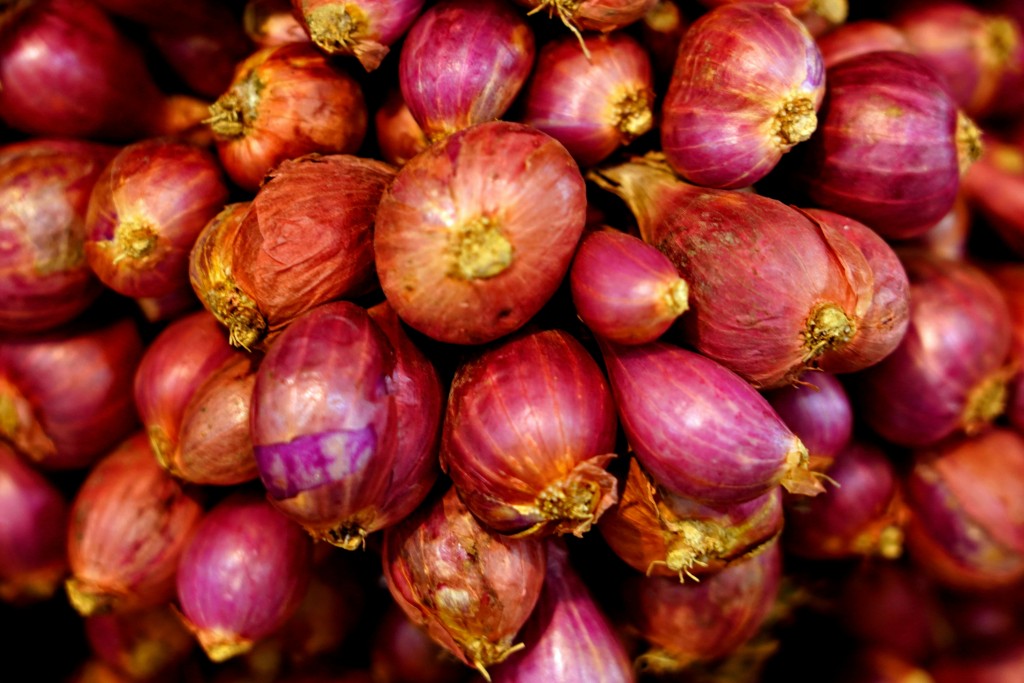
1. Onion
- Nutrition & Benefits:
- Rich in glucoraphanin. After being chopped, onions convert this into sulforaphane, which can inhibit cancer cells.
- Abundant in quercetin, which influences RNA fragments that are unable to control genes harmful to the body and those that cause changes in normal cells.
- Contains various organosulfur compounds (e.g., DMS, DADS, DATS, DTTS, DPDS) that damage cancer cell DNA, halting their growth.
- Studies found that the DADS compound can neutralize certain carcinogens in cigarettes and clear nitrosamines in processed meats that cause colorectal cancer.
- Consumption Advice:
- To fully utilize the sulfides for cancer prevention, consider eating onions raw.
- After dicing, let the onion sit for 10 minutes before adding to cooked dishes or salads. This reduces the pungency while fully preserving the sulfides.
- To intake polyphenols like quercetin, use low-heat cooking to effectively release more from the cells. The best method is frying in oil at 160°C for four to eight minutes, ensuring the onions don't turn brown.
2. Garlic
- Nutrition:
- Contains the most important active compound "allicin," which is a type of sulfide.
- Consumption Advice:
- Consume about 10 grams (approx. two cloves) of garlic daily.
- To fully release allicin, mince the garlic and let it sit for at least 10 minutes to allow enzymes to act completely.
- As allicin is a sulfide, eating it raw is best, similar to consuming onion sulfides.
3. Spring Onions (Scallions)
- Nutrition:
- Rich in organosulfur compounds, phytochemicals, and trace elements.
- Note the differing properties between the upper green part (green section) and lower white part (white section). The white part has a stronger odor and contains most sulfides, often used for removing fishy tastes.
- The green section, while lower in sulfides, has a higher density of phytochemicals, vitamins, and minerals (e.g., carotenoids, folate, Vitamins A, B, C, E, K, calcium, selenium, magnesium, iron).
- Consumption Advice:
- Eating raw preserves the most sulfides.
- To intake the most polyphenols, quick stir-frying over low heat can break down cell walls and release these compounds.
4. Garlic Chives (Leeks)
- Efficacy & Related Research:
- A 2016 study showed that women who consumed large amounts of garlic chives could reduce their breast cancer risk by a significant 70 percent, an even higher reduction than with garlic.
- Consumption Advice:
- If grown with insufficient light, they become "yellow chives," which are tender and sweeter. But if nutritional density is the priority, choose fresh, dark green chives grown with adequate sunlight.
How to Eliminate Lingering Onion/Garlic Breath?
Cheung mentioned that allium vegetables offer many health benefits, but the lingering breath afterward can be troublesome. He teaches four methods to effectively reduce bad breath:
- Consume foods that neutralize sulfide molecules, such as lemon, cilantro, milk, and apple.
- Drink a cup of tea, coffee, or apple cider vinegar.
- Chew gum.
- Massage the salivary glands near the jaw or temporomandibular joint to increase saliva production, allowing proteins in saliva to carry away the sulfides.