Read More
As Biren began its life as a public company yesterday, the question for market participants is not merely whether the GPU maker can justify its valuation, but rather what the next Biren might be.
ADVERTISEMENT
SCROLL TO CONTINUE WITH CONTENT
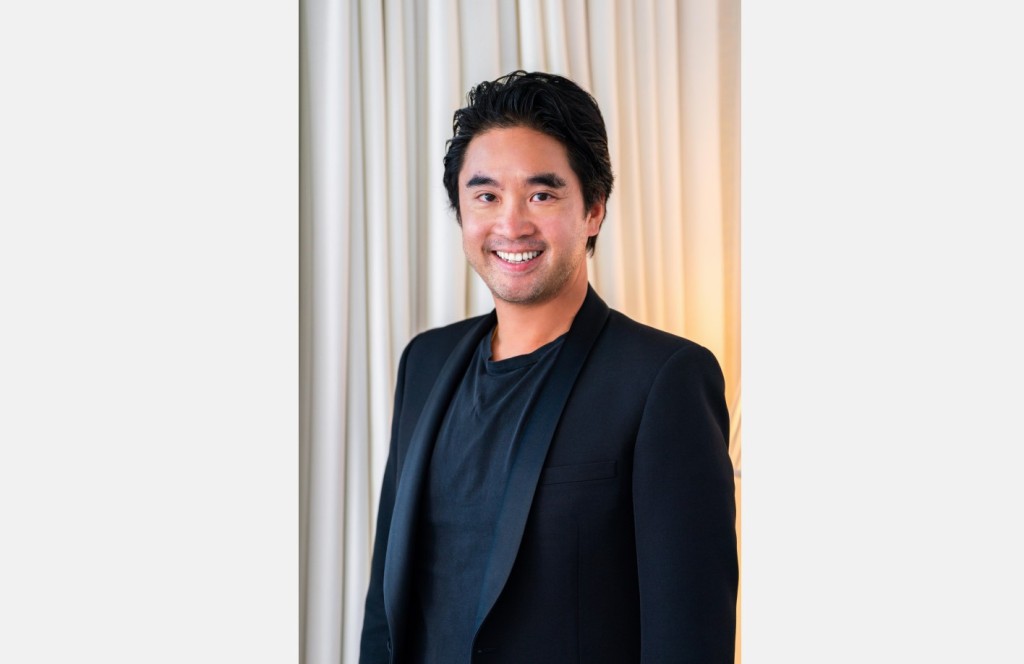
When Biren Technology began trading on the Hong Kong Stock Exchange on Friday, it marked more than just the city’s first IPO of 2026. For Adrian Cheng, who backed the company nearly four years ago, the debut is another early bet that has come good.
Shares of the Chinese artificial intelligence (AI) chip designer surged nearly 119 percent on their debut, climbing to HK$42.88 from an offer price of HK$19.60. The first-day performance was the strongest among Hong Kong listings that raised at least US$700 million since 2021. The company raised US$717 million in the offering, with the retail tranche oversubscribed more than 2,300 times.
In April 2021, when AI chips were far from the fever-pitch asset class they have become, Cheng’s C Ventures led a RMB 2.7 billion Series B funding round for Biren alongside Ping An Insurance and Country Garden Venture Capital. At the time, the GPU sector was nascent, overshadowed by more established semiconductor plays, and largely overlooked by mainstream investors still enamoured with consumer technology and fintech.
Biren is now recognised as one of China’s “four little dragons” in the GPU sector, alongside Moore Threads, MetaX, and Enflame. The company sits at the heart of Beijing’s push for semiconductor self-sufficiency – a drive that has picked up pace since Washington added Biren to its Entity List in October 2023.
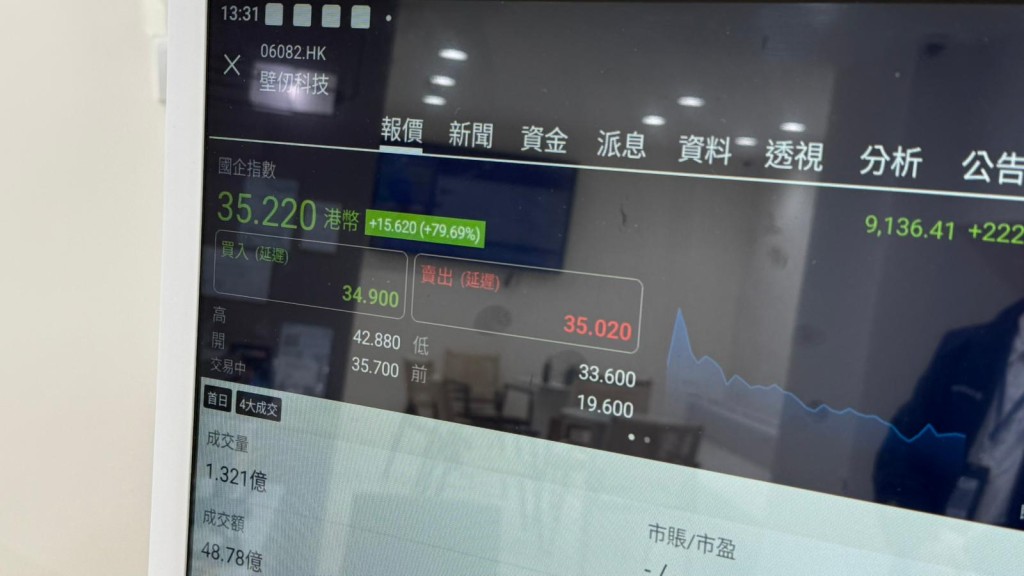
Shares of Biren Technology surged nearly 119 percent on their Hong Kong debut, the strongest first-day performance for a listing of its size since 2021.
Building for what’s next
The Biren deal captures something essential about how Cheng invests.
His portfolio reads like a roster of category-defining companies. There’s Xiaohongshu, now essential infrastructure for Chinese consumer discovery. SHEIN, which upended traditional retail. XPeng and NIO, pioneers of China’s electric vehicle (EV) revolution. SenseTime in AI. Lalamove in urban logistics. Each bet was placed early, before the market caught on.
In September 2025, Cheng unveiled Almad Group, a Hong Kong-based investment firm dedicated to what he describes as the “nine transformative paradigms” that will reshape the global economy over the next two decades. The group focuses on digital assets, cultural commerce, entertainment, healthcare, and emerging market opportunities spanning mainland China, Southeast Asia, and the Middle East.
The vision has already taken concrete form. In October 2025, Cheng became a shareholder in CBCX, a London-headquartered multi-asset liquidity provider working to connect legacy financial infrastructure with digital asset markets. More recently, Cheng has set his sights on the Middle East, a region that has become an important node in global finance.
In December 2025, he struck a deal with Wafi Group – founded by Dubai royal Sheikh Mana bin Khalifa Al Maktoum – to introduce Chinese consumer brands, cultural retail concepts, and entertainment IP to the United Arab Emirates (UAE). The partnership gives Cheng a foothold in one of the world’s fastest-growing consumer markets.
Central to the deal is Wafi Anime 11, a joint venture that will bring ticketed anime, K-Pop, and e-gaming exhibitions to Wafi City Mall starting in 2026. The experiences are designed to capture the region’s growing appetite for Asian entertainment and its young, booming population.