In a world of economic uncertainty, intellectual property characters like Chiikawa, Labubu, Wakuku, Molly and Jellycat are thriving. These brands have captivated millions with their clever use of emotional marketing, driving consumers to spend on limited-edition merchandise and collectibles—even during tough financial times. But how sustainable is this trend, and do these items hold long-term value?
The Emotional Connection
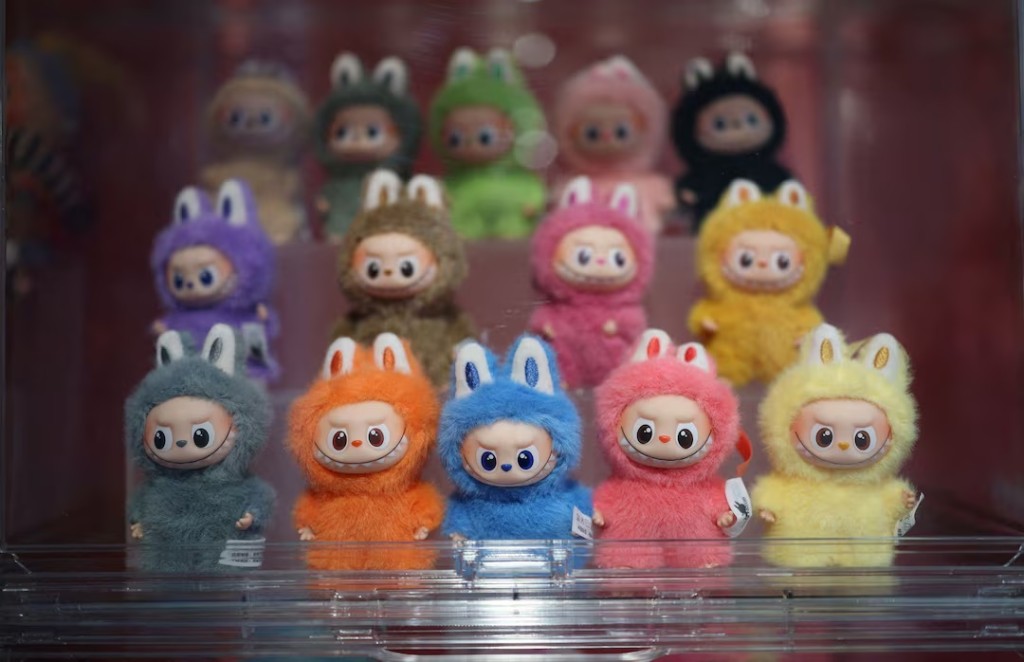
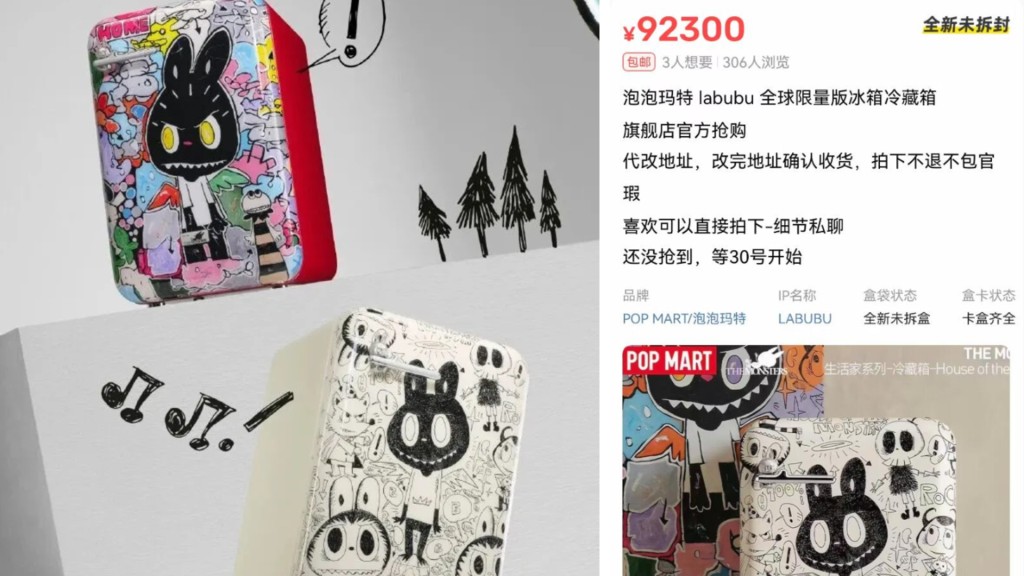
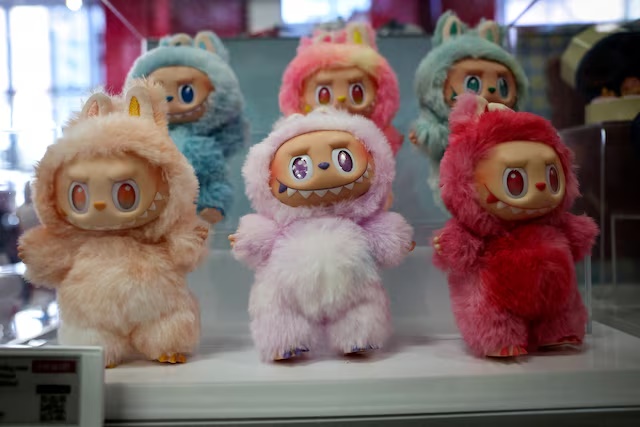
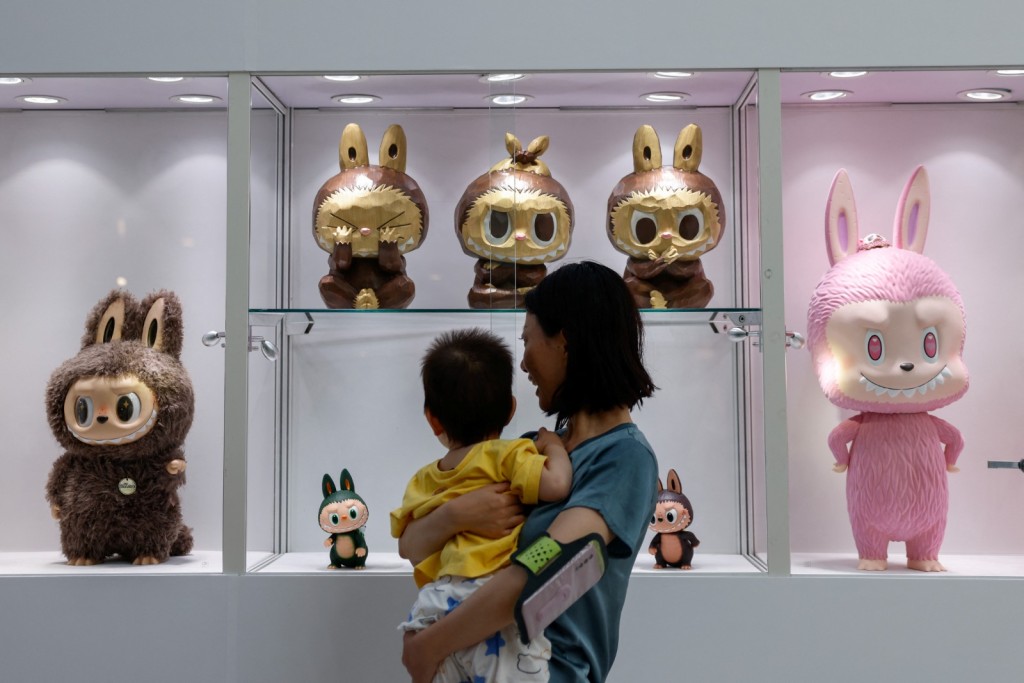
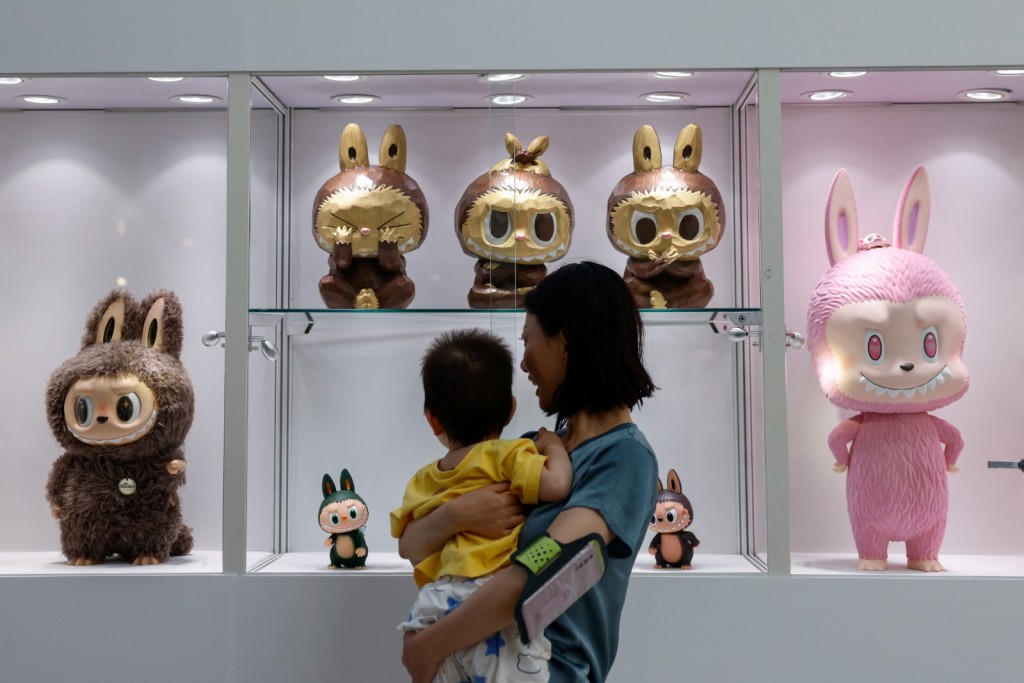
The success of these IPs lies in their ability to connect with buyers on an emotional level. By addressing stress and loneliness, they provide comfort and a sense of belonging. Pop Mart’s Labubu and Molly, on the other hand, target collectors through blind boxes. Fans pay HK$120 per box for a chance to secure a rare figurine, fueling a sense of excitement and exclusivity. Labubu, in particular, has achieved cult status, surpassing Molly in popularity. Wakuku, a Miniso IP inspired by Labubu, has also gained traction, though it remains less impactful.
Jellycat, the British plush toy brand, exemplifies this strategy. During the COVID-19 lockdowns, its toys gained immense popularity in mainland China, offering emotional companionship to those stuck in isolation. This deep, emotional resonance has helped Jellycat maintain its appeal for over two decades.
Chiikawa Gold Craze
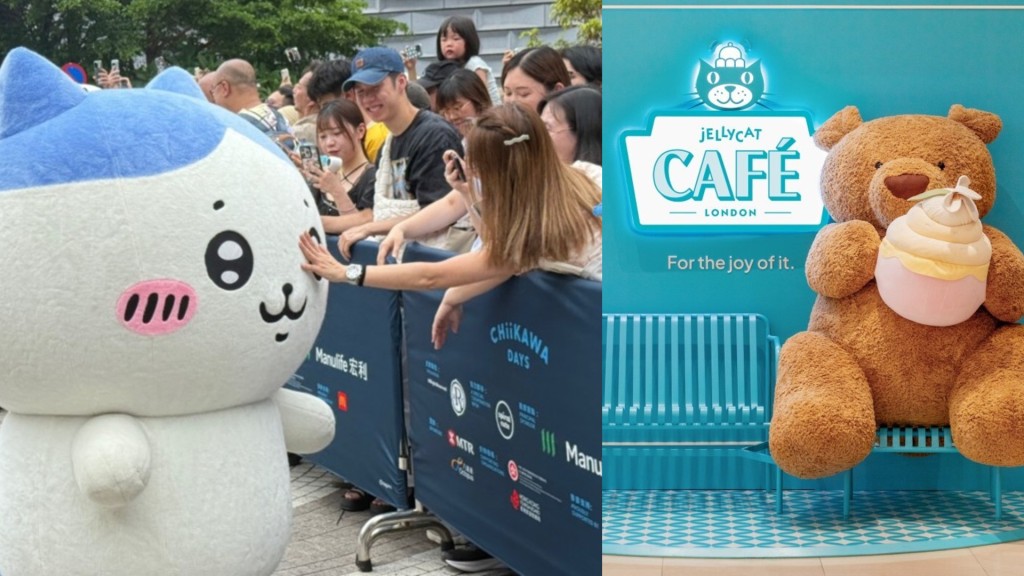
Chiikawa, a Japanese manga series known for its adorable characters, has excelled at creating scarcity-driven demand. Earlier this year, Chiikawa-themed gold jewelry—limited-edition charms and pendants—sold out in less than two hours. Unlike traditional gold jewelry, which many Chinese investors often avoid due to added design and craftsmanship costs, Chiikawa gold appeals to collectors for both its artistic and emotional value.
This strategy has been further enhanced by the upcoming “Chiikawa Days” exhibition in Tsim Sha Tsui, which opens on August 1. Tickets sold out immediately, reflecting the brand’s immense popularity.
Pop Mart’s Meteoric Success
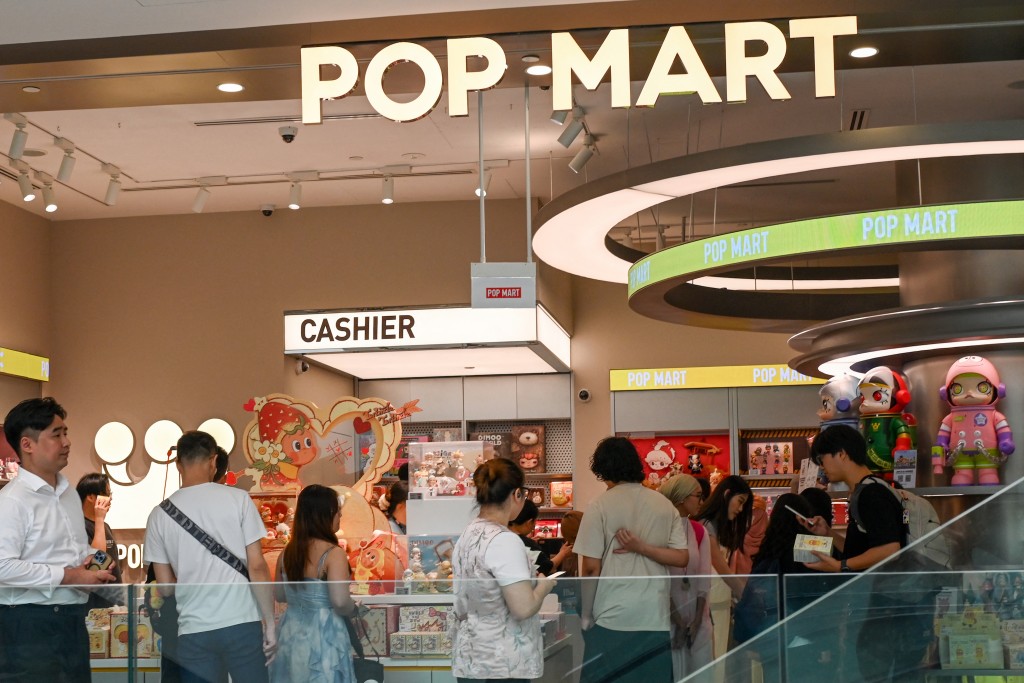
Pop Mart, the creator of Labubu and Molly, exemplifies how emotional marketing can drive business growth. The company’s share price surged by 178 percent this year to HK$253, giving it a market capitalization of HK$336 billion—eclipsing even some blue-chip Hong Kong developers.
Pop Mart founder Wang Ning captured the essence of this success, stating: “Art alone is eternal; the useless thing is the truly everlasting. If Molly’s head became a USB drive—would you still buy so many?” Wang’s insight highlights why fans are willing to invest in products that are emotionally meaningful rather than purely functional.
Jellycat’s Longevity
While many IPs are relatively new, Jellycat stands out for its enduring popularity. Its plush toys, which range from animals to cheerful plants, have remained family favorites for decades. The brand has also diversified, opening a Jellycat-themed café in Shanghai last September, proving its ability to evolve while maintaining its emotional appeal.
A Lesson for Hong Kong Businesses
Hong Kong businesses can take inspiration from these strategies. By creating emotionally resonant products that incorporate exclusivity and artistic value, local brands can capture consumer attention and drive demand. Collaborating with popular IPs or developing unique, homegrown characters could help Hong Kong entrepreneurs tap into global markets.
Whether the trend of Chiikawa, Labubu, and other IPs will last remains uncertain. However, their success highlights the power of emotional marketing in creating products that resonate deeply with consumers. In a challenging global economy, these brands offer a blueprint for how to thrive by fostering meaningful connections with buyers.