Millions of students are currently navigating the university admissions process, hoping to find the right fit. At the same time, colleges and universities are determining which students will thrive on their campuses, and the fairest, most objective ways to comprehensively review and assess them.
The Covid-19 pandemic has continued to impact academic study and admissions requirements for universities.
One indicator, the Common App, an admissions form accepted by more than 1,000 colleges and universities globally, found that only 48 percent of students used their platform to submit entrance exam scores with their applications as of November 1.
However, despite the pandemic and recent changes to testing requirements, when surveyed, more than 80 percent of students wanted the option to submit standardized test scores for university admissions and scholarships worldwide.
At The Chinese University of Hong Kong, Shenzhen, we've long looked at SAT test scores as a key indicator of academic performance, competitiveness and readiness.
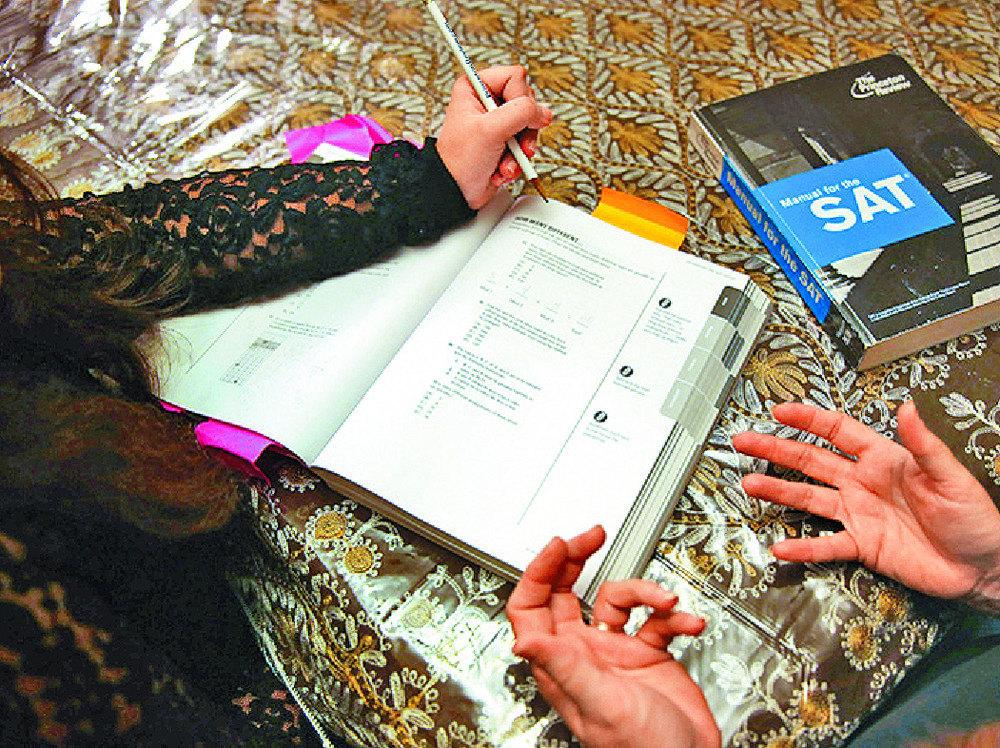
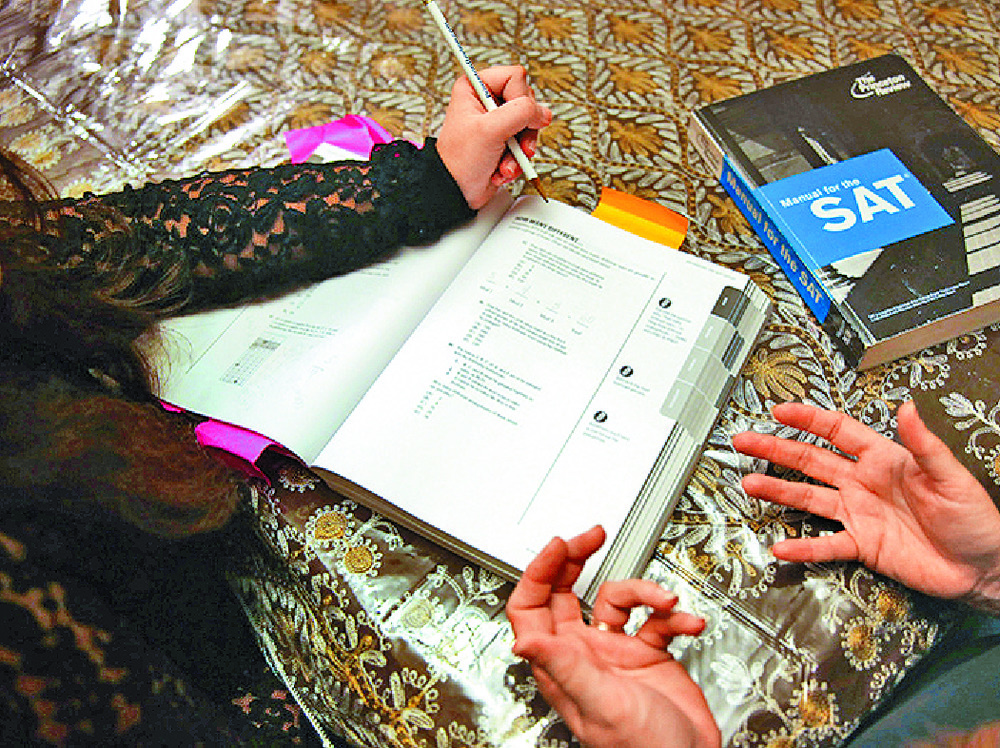
The SAT - and soon the new digital SAT - has and will continue to play a crucial role in our holistic admissions process that assesses an applicant's academic achievements, such as grades and test scores, alongside their own, unique experiences.
Our goal has always been to create an equitable measure to evaluate international students whose grades and transcripts might hold different weight in different places. The newer, shorter digital SAT will provide a clear, consistent and international standard of quality that will allow us to put applicants from various backgrounds with different academic and grading systems on a level playing field.
SAT test scores can give students with inflated or deflated high school GPAs the opportunity to demonstrate their abilities and knowledge of core concepts expected at CUHK-Shenzhen, including university-level English comprehension.
They also demonstrate to our admissions team that the student is willing to take on more challenges and invest additional effort into the college preparation process.
This is becoming increasingly important, as CUHK-Shenzhen continues to grow in popularity and prestige. In October, we received our best ranking ever on the Times Higher Education's World Universities top 100 list, coming in the top 50.
The first official sitting of the digital SAT will take place next month.
The newer exam is shorter (around two hours rather than three) and includes shorter reading passages that reflect a broader range of topics and themes that relate to a wider population of students.
The exam also utilizes adaptive technology to improve test time and quality.
More than 80 percent of students who took part in a pilot said the test experience was better than the prior paper-and-pencil version.
Unlike the gaokao entrance exam, the SAT can be a valuable opportunity for students to practice and even enhance their English vocabularies, as well as prepare for university-level work. It can also open the door for postsecondary and scholarship opportunities, including English-language based study abroad programs, down the line.
The new, improved test is more applicable to today's modern student and therefore a stronger indicator for universities to evaluate and fairly assess student admissions. For CUHK-Shenzhen, the SAT will continue to play a vital role in our university admissions process, and students should continue to make the choice to take it.
Rosemary Bai works in international admissions in the Office of Academic Links at The Chinese University of Hong Kong, Shenzhen