Read More









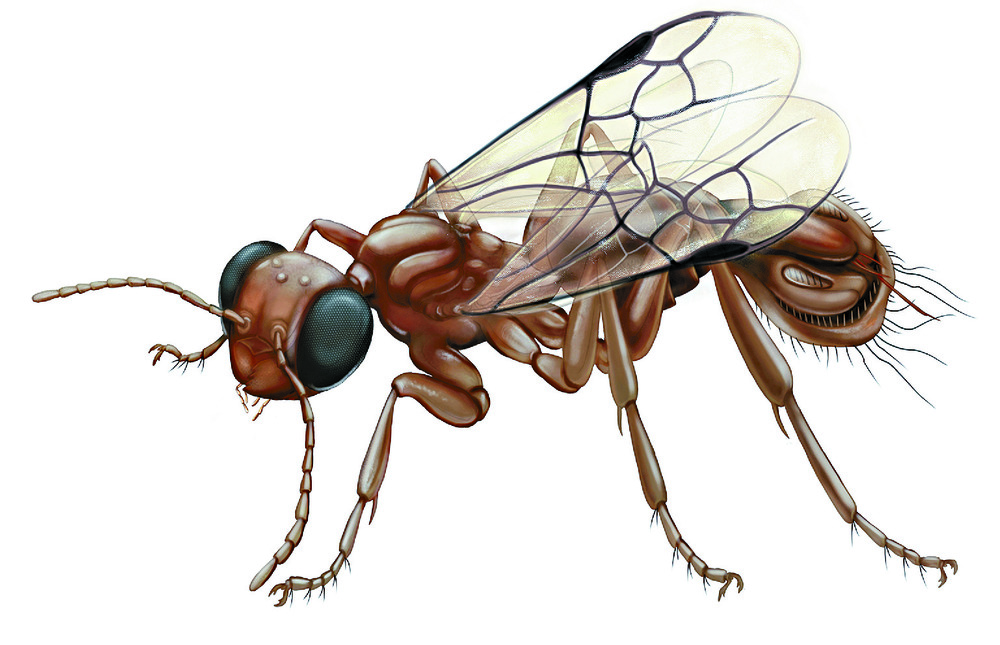
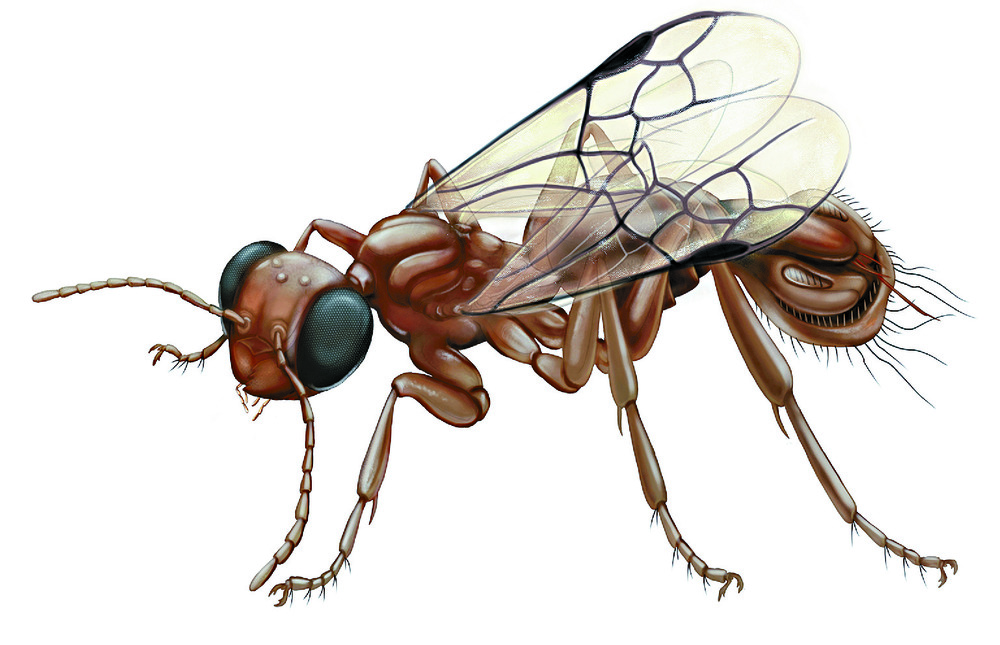
The parasitic wasp's abdomen boasts a set of flappy paddles lined with thin bristles, resembling "a small bear trap attached to the end of it," said study co-author Lars Vilhelmsen from the Natural History Museum of Denmark.
But the design of the wasp's getup made scientists think its trap was designed to cushion, not crush.
It is a playbook adapted by many parasitic wasps, including modern-day cuckoo and bethylid wasps, to exploit insects. But no known wasp or any other insect does so with bizarre flaps quite like this one. It is unclear when the wasp went extinct.
Scientists named the new wasp Sirenobethylus charybdis, partly for the sea monster from Greek mythology that stirred up wild whirlpools by swallowing and expelling water.The new study was published on Wednesday in the journal BMC Biology and included researchers from Capital Normal University and the Beijing Xiachong Amber Museum in China.
Associated Press