Read More





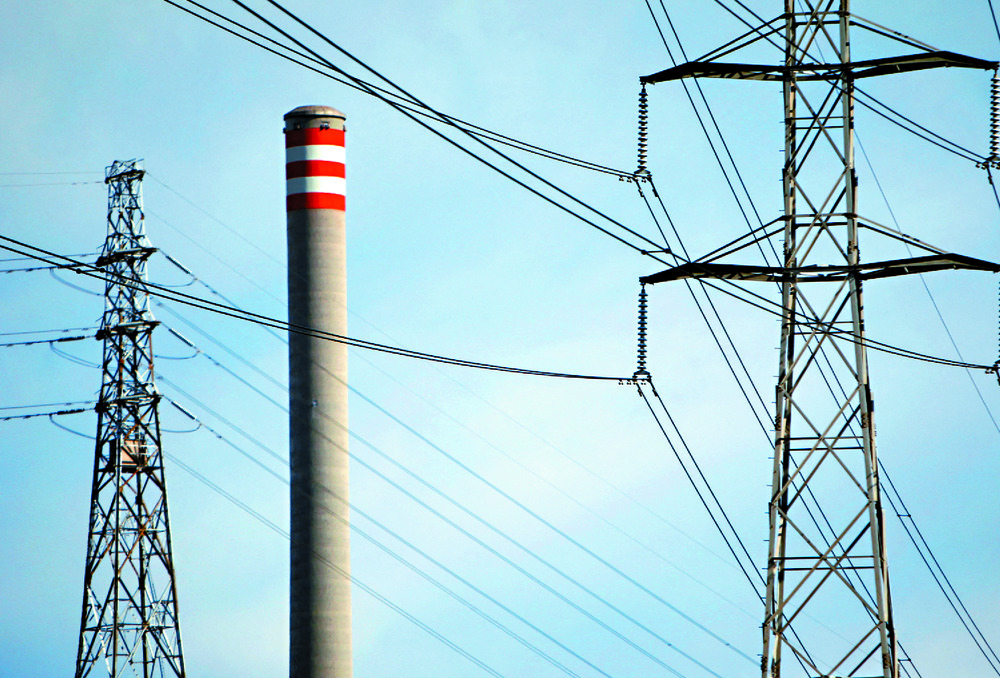
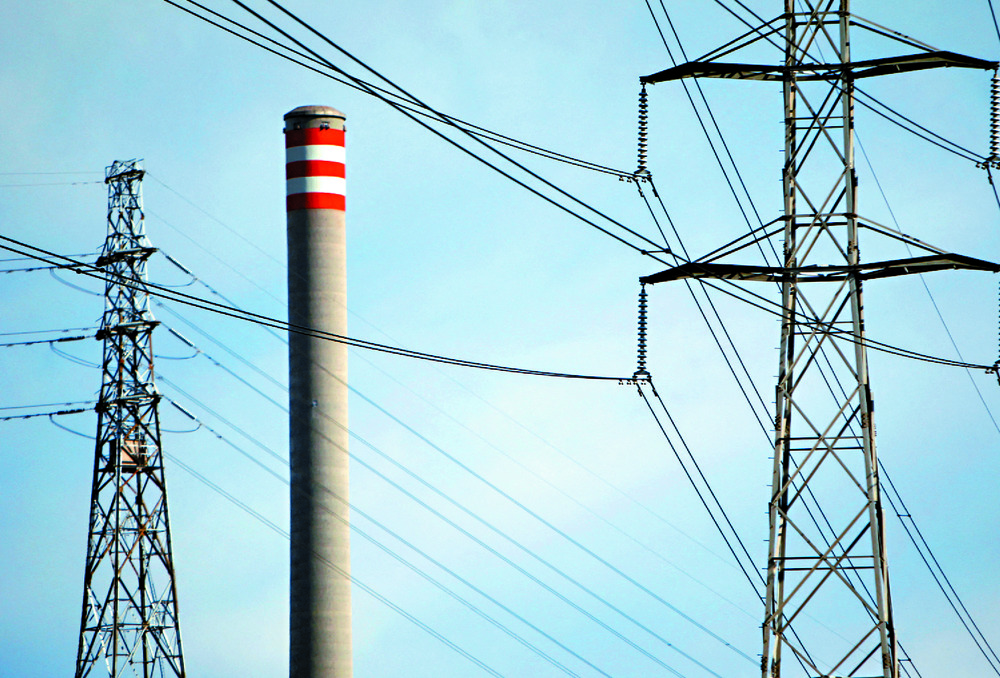
The Australian Energy Regulator expects that household power bills will rise between 2.5 percent and 8.9 percent in southeast Queensland, South Australia and New South Wales, following its draft decision to raise the default market offer - the maximum price energy retailers can charge customers.
The AER said that wholesale market and network costs - the two largest components that influence market prices - increased between 2 percent and 12 percent for most customers.
Federal Energy Minister Chris Bowen said AER's draft decision underscored the urgency of integrating cheaper energy sources such as renewables into the grid. He urged customers to select the most competitive price plans available in the market.
Meanwhile, Australia's top universities said yesterday the Trump administration had cut US funding to some of its researchers.The Group of Eight, a coalition of the country's most research-intensive universities, said the action could jeopardize crucial medical and defense research in the country.
The coalition carries out 70 percent of all university research in Australia and the US is their single largest global research partner.The universities collectively received around US$161.6 million (HK$1.26 billion) in grants from the US National Institutes of Health between 2020 and 2024.
Reuters