Read More






"More than 1.4 billion of us want to eat, and we want to eat better and better," Han Wenxiu, a director from China's Central Rural Work Leading Group said.
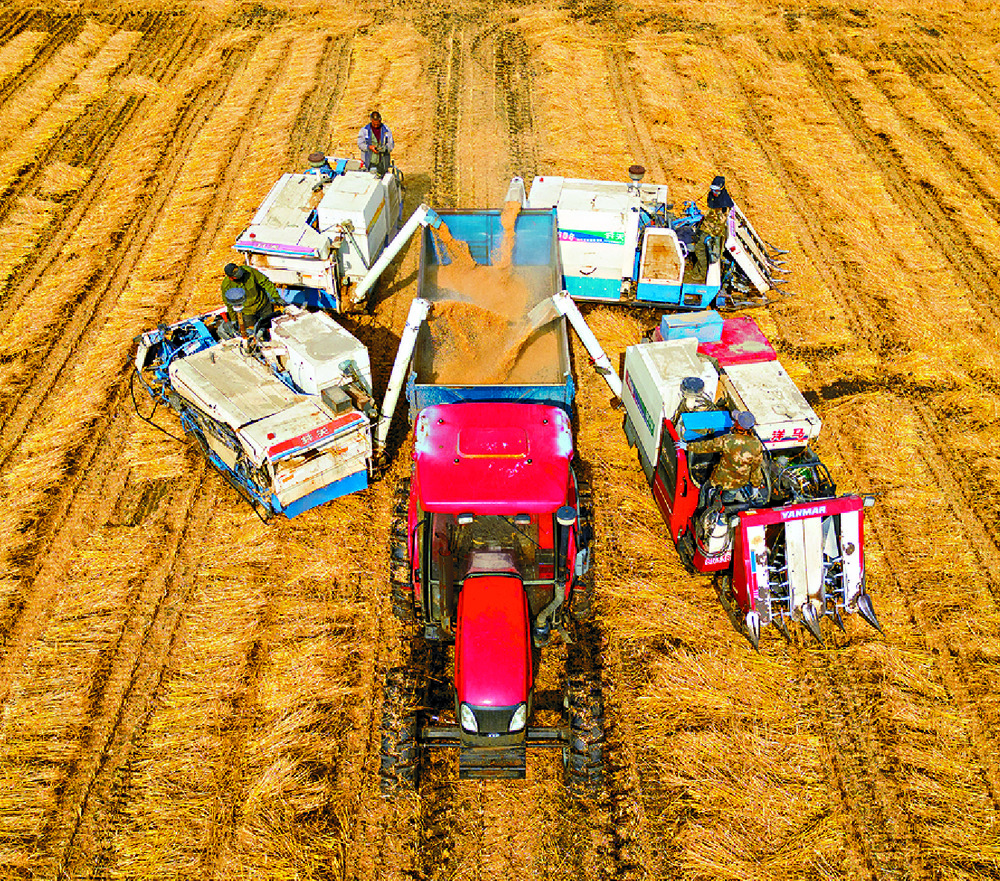
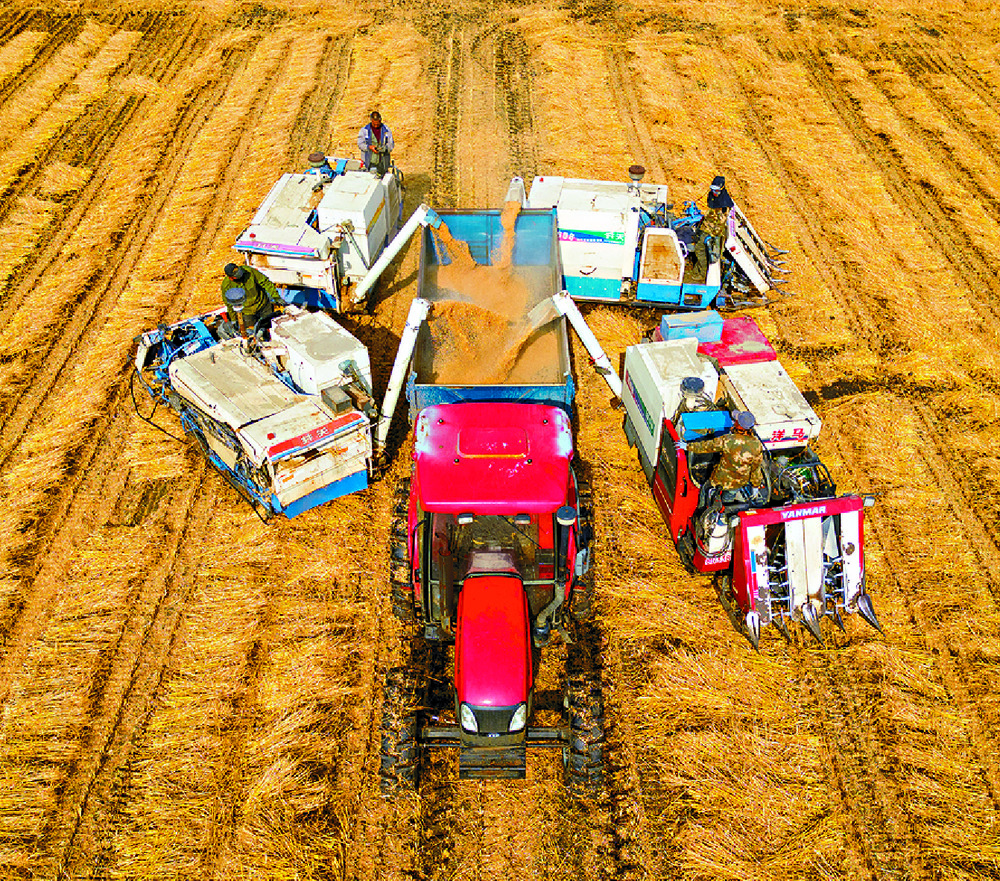
China is the world largest agriculture producer and importer, bringing in more than 157 million metric tonnes of grains and soybeans last year, when it also reported record grain production of 706.5 million tonnes.
Last year's bumper harvest helped to stabilize prices and relieved consumers' concerns, Han said.
But he cited "the current complex and severe domestic and international environment," and said the need to buffer shocks from extreme weather conditions called for increased output."The central government's policy is clear - grain production can only be strengthened, not relaxed. We must not say that grains has passed the test just because of a momentary downturn in prices," he said.
China has further potential to develop and integrate biotechnology, strengthen equipment support and build a diversified food supply system to ensure food security, he said.The agriculture ministry aims to increase grain production by 50 million tonnes by 2030, which would be a 7 percent increase over 2024's grain harvest.
Reuters