Read More





Meghan faces difficult return to the UK
13 hours ago




IT manager sentenced to 22 months for stealing $1.2m in Deloitte laptops
21-08-2026 21:49 HKT


Animal lover Jojo remembered for a life dedicated to saving stray dogs
21-08-2026 13:46 HKT


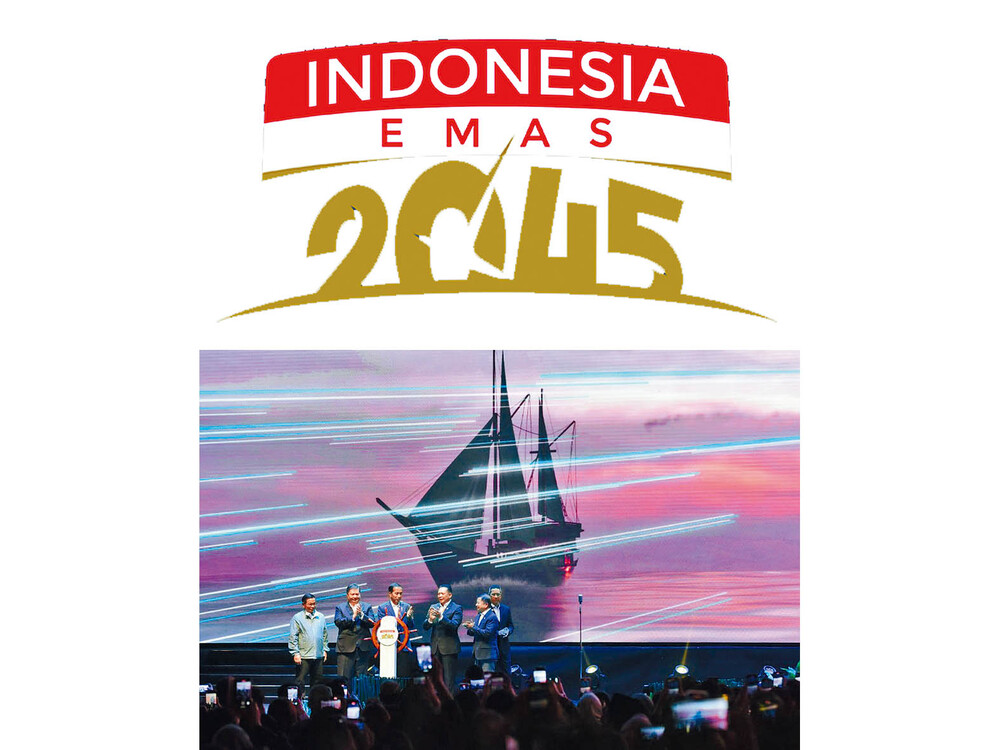
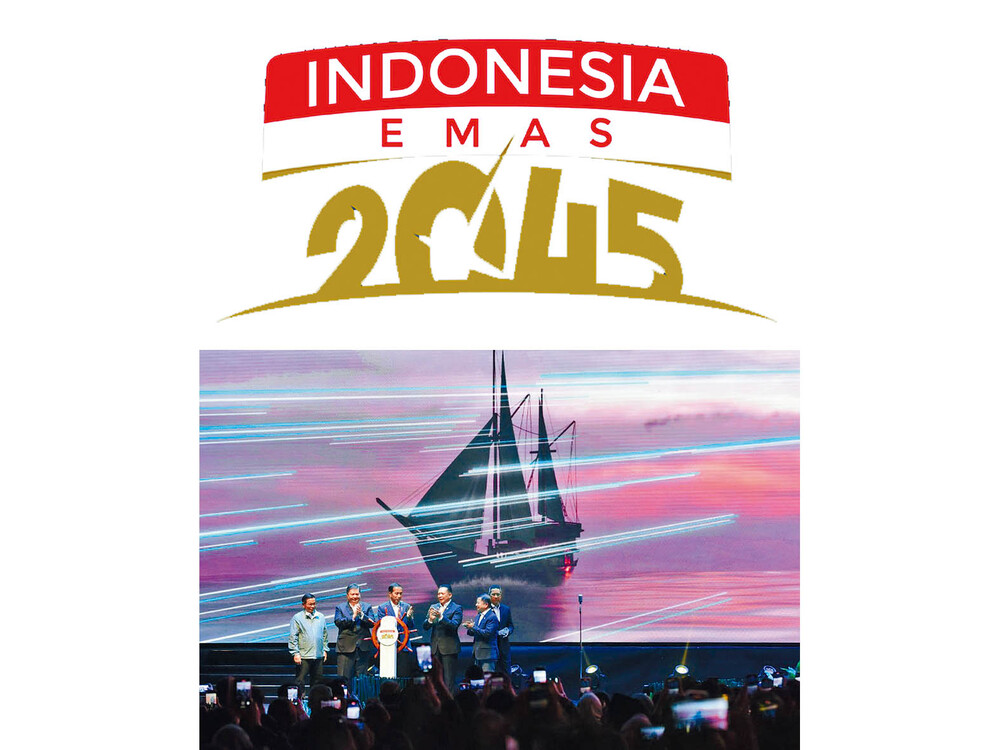
ONWARDS AND UPWARDS: TOWARDS THE GOLDEN INDONESIA VISION 2045
On 17 August 1945, the Republic of Indonesia was officially established a hard-earned historical moment built upon the struggles, determination, and dreams of its founding father. Seventy-nine years later, these dreams and determination take on a new form as the nation strives in pursuit of the Golden Indonesia Vision 2045, just in time for the centennial anniversary of its independence.
Four development pillars play a key role in realizing this vision, namely human development and mastery of science and technology; sustainable economic development; equitable development; and strengthening national resilience and governance.
The goal is clear: to develop Indonesia as a sovereign, progressive, just, and prosperous nation. This goal is established upon the strength of Indonesia’s basic modalities—among which are its population, human resources, sociocultural modalities, natural resources, and maritime prowess—alongside global megatrends and past developmental milestones as its foundation.
Indonesia’s development in the past two decades is nothing short of remarkable. In spite of multiple global economic crises and the COVID-19 pandemic, Indonesia’s gross national income per-capita grew 6.5 times bigger from USD710 in 2001 to USD4,580 in 2022. The nation’s economy has grown five to six percent on average year after year, enabling it to achieve upper-middle income status by 2019.
Indonesia is also playing an increasingly important role in the regional and global political stage, actively contributing to, among many other international fora, the United Nations, ASEAN, APEC, Organisation of Islamic Cooperation (OIC), and G20. The nation, Southeast Asia’s largest and the world’s 16th largest economy, also remains the only ASEAN Member State to become a part of G20. Its G20 presidency and ASEAN chairmanship in 2022 and 2023 respectively received wide acclaim for its success amid multidimensional crises that the world was facing.
The next two decades will be crucial in ensuring that the nation continues to move along the path of progress that it has paved from the moment of its independence. To that end, a major shift in Indonesia’s approach to development needs to happen.
What Comes Next? From Reformation to Transformation
In his Keynote Speech on 22 May 2023, the Minister of National Development Planning, Suharso Monoarfa, outlined three major transformations that the nation needs to undergo to make Golden Indonesia Vision 2045 a reality.
Social transformation will play a key role in addressing national health concerns such as stunting and tuberculosis; eradicating barriers to the access of high-quality education; as well as eradicating poverty. The goal is to establish a robust and responsive healthcare system, provide high-quality education for all, as well as to improve existing social security net to achieve 0% poverty.
Indonesia has set its sights on a lofty economic target: escaping the Middle-Income Trap by early 2040s and achieving 7% economic growth on average by 2045. The aim is to establish Indonesia as an economic powerhouse integrated with both domestic and global supply chains, achieving a high-income status by 2045.
Neither social nor economic transformation would be possible without a transformation in governance. Inefficient regulation, bureaucratic red-tapes, and corruption need make way for a better-integrated and adaptive bureaucracy based on collaborative governance. Further, civil societies shall play a key role in the nation’s development.
As Indonesia welcomes its 79th anniversary with a new presidency, its transformation in pursuit of the Golden Indonesia Vision 2045 shall continue ever onwards.