Read More






Omens of fear, wings of hope in Arab lore | Arabic Window | Amjad Refai
28-05-2026 06:26 HKT
Sculpting the face of the city | La Vie en Rose | Joanne Chan
28-05-2026 06:19 HKT


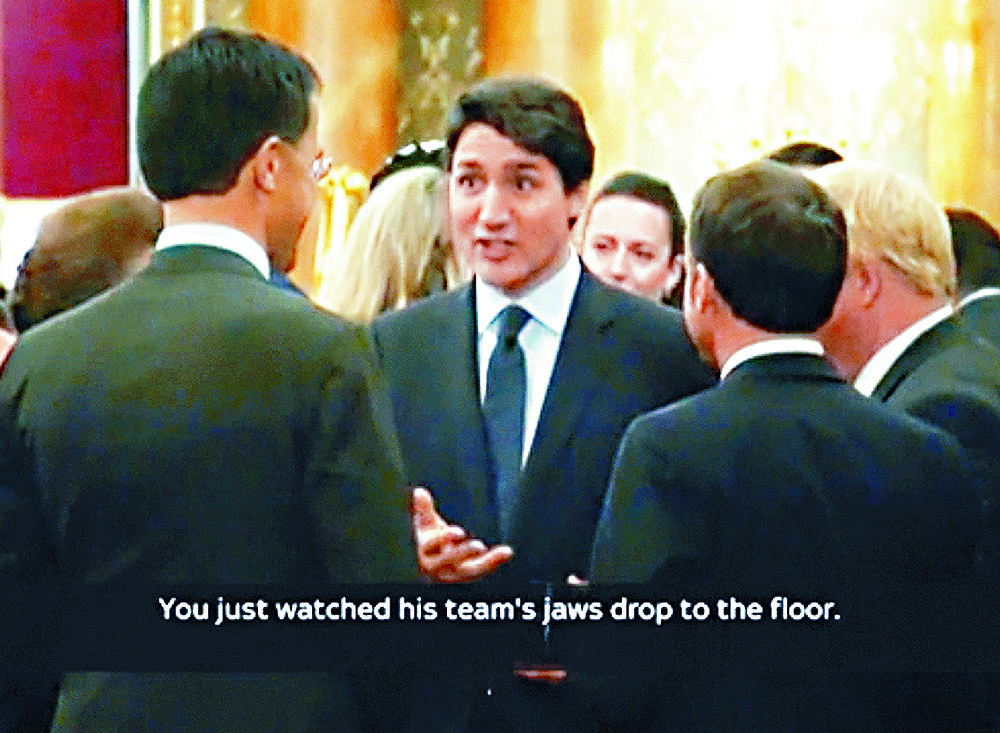
After weeks of speculation, Canadian Prime Minister Justin Trudeau is quitting.
Why did Trudeau resign?
At its heart, this is a personal political decision; the reality is the party was doomed in the next election - due before October.
Barring any wild changes, the chances of the Liberals winning are as dead as a doornail. The opposition Conservative Party are up in the polls by some 24 points.Its leader, Pierre Poilievre, has done a reasonably good job at moderating his image from that of a hard right-winger - narrowing any chance Trudeau had of capturing enough of the center he needed.
My best guess is that, faced with imminent defeat, Trudeau believes getting out now will make it more likely that he can return to front-line politics further down the line, after a period of time in the wilderness.Is such a return likely?
While figuratively dead US presidents rarely come back to life - with Trump one of only two to return after a reelection loss - in Canada, there is a bit more of a tradition of political resurrection.In the second half of the 20th century. the prime minister's father, Pierre Trudeau, came back after losing the 1979 election to serve a fourth and final term in 1980.
With Trudeau it is different. At this point, his parliamentary career looks beyond rehabilitation. He is deeply unpopular and has enraged many loyal lieutenants - with the resignation of Deputy Prime Minister Chrystia Freeland last month adding to the pressure on Trudeau to resign.While inflation - a scourge of left, right and center incumbents the world over - played a role in his declining popularity, other factors are at play, too. Under him, immigration rose massively - and many blame this for a housing affordability crisis.
Generally, it seems like Trudeau, despite his young political age of 53, is out of step. Much like his father, he is very much associated with identity politics, focusing on the needs of certain groups over others.Right-of-center populists such as Trump have been able to make great capital in painting opponents as identity politicians.
How did Trump's election win affect Trudeau's prospects?Freeland resigned in part over discontent with the way he had responded to Trump's proposed tariffs. And that discontent over his handling of Trump extends to a lot of Canadians, regardless of political stripes.
The economy isn't in good shape, and a 25 percent tariff - as envisioned by Trump - would be disastrous. Canadians are looking for someone who can negotiate from a position of strength. Faced with being trolled and humiliated by Trump - for instance, being referred to as a "governor - Trudeau has faced criticism for his weak response.While he reportedly laughed off a suggestion at Mar-a-Lago that Canada become the "51st state," back home it was seen as a test - would he stand up for Canada or not?
In this sense, Trump's election provided a challenge to Trudeau but also an opportunity to stand up to Washington - something that would have won him favor among anti-American Canadian nationalists. Instead, he is perceived to have cowered before Trump.What will Trudeau's legacy be in regard to US-Canada relations?
I believe he got caught up in a dynamic that has seen a growing US perception that Canada is freeloading militarily. In Trump's first term, Trudeau was seen as one of those not paying a fair share for NATO.Trump's statements since his reelection suggest he sees Canada as less an ally and more of an irrelevance. His Greenland comments point to a desire to run roughshod over other nations in order to be more active in the Arctic - something that should have raised alarms in Canada.
What happens next in Canadian politics?The most likely scenario is that the Conservatives will win the election. If that happens, we can expect them to be much more aligned with Trump - with a more centralist foreign policy and border reforms that will tighten immigration controls.
And the timing may provide an opportunity for Trudeau's successor to start afresh with Trump and forge a relationship that is either stronger or, alternatively, to reassert a degree of Canadian resistance to Trump.The second scenario is what I call "the French oddity." Just like in France's last election in which the two main anti-right parties did a deal to thwart the far-right National Rally, we could see the Liberals and the socialist New Democratic Party try something similar. But that is a long shot.
As for the Liberal Party, it is difficult to see who will want to lead it into a near-certain election defeat. But I believe the most likely outcome will be the party will try to tack to a more centralist, economically conservative agenda. It would truly mark the end of the Trudeau era.THE CONVERSATION/ASSOCIATED PRESS
Patrick James is an expert onCanadian-US relations and dean's
professor emeritus at USC Dornsife