Reuters and staff reporter
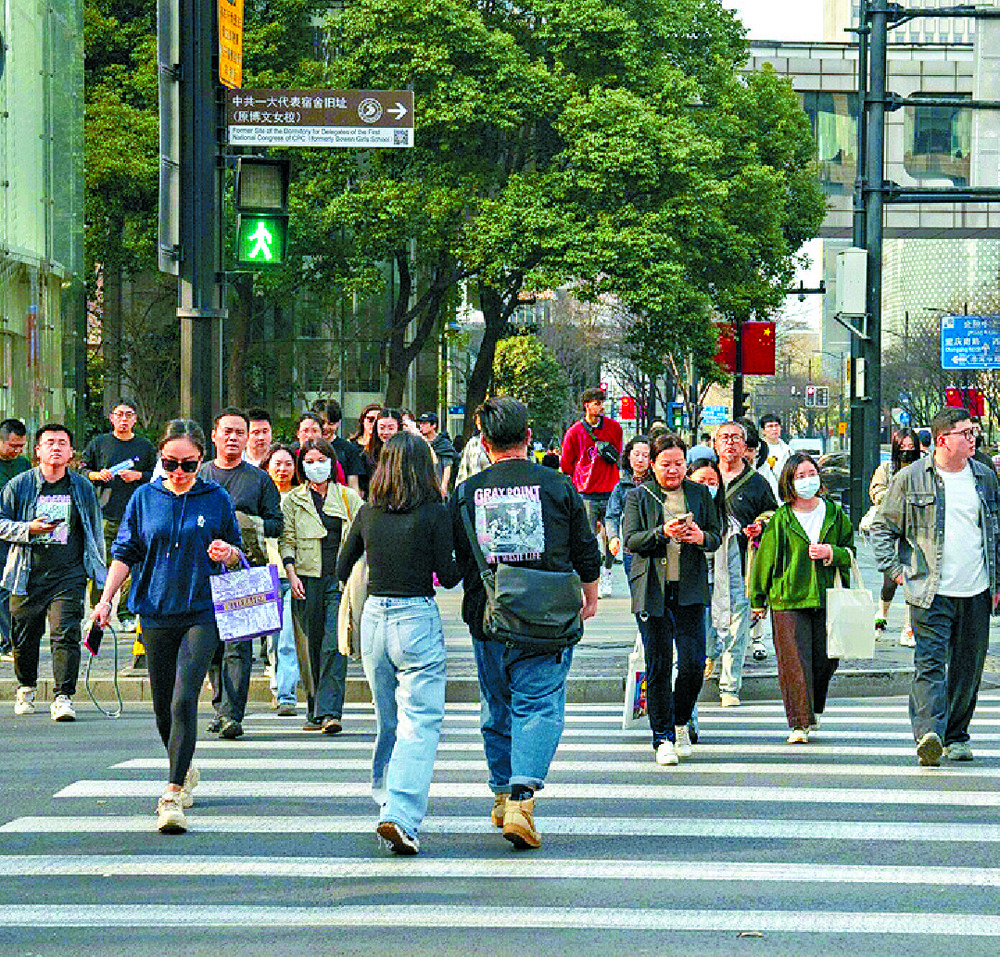
China's consumer inflation in February fell at the quickest pace since January 2024, while producer price deflation persisted, as seasonal demand faded with households' cautious spending amid job and income worries.
The consumer price index edged down 0.7 percent last month from a year earlier, reversing January's 0.5 percent increase, according to the National Bureau of Statistics.
The producer price index fell 2.2 percent on year in February, improving from a 2.3 percent slide in January.
The statistics bureau attributed the inflation decline to a high base from last year's Lunar New Year spending.
The 2025 festival started earlier, spanning January 28 to February 4, unlike 2024's February timing.
Adjusted for seasonal swings, consumer inflation actually rose 0.1 percent year-on-year in February, the bureau said.
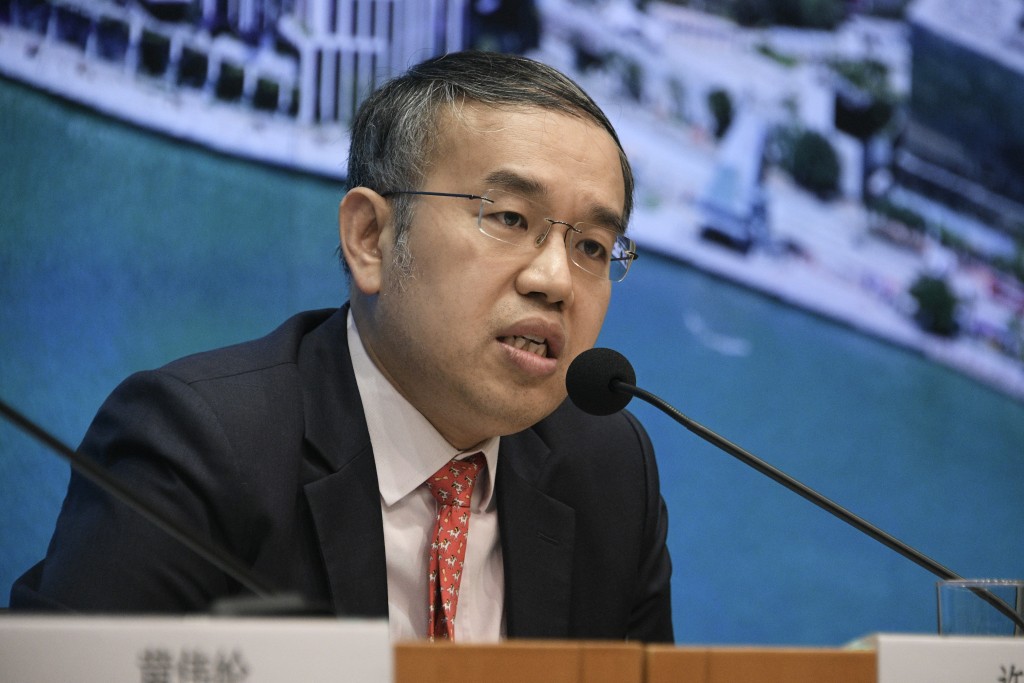
In other news, China's Minister of Housing and Urban-Rural Development Ni Hong said at a press conference that authorities will continue implementing a mix of short- and long-term measures to stabilize the property market.
Zheng Bei, deputy head of the National Development and Reform Commission said the government will use ultra-long-term special treasury bonds of 300 billion yuan (HK$322.23 billion) to expand support for large-scale equipment upgrades and old consumer goods replacement.
Meanwhile, the Chinese Academy of Fiscal Sciences said China's property market is becoming stable faster, despite volatility in the short run.
The state-owned People's Daily wrote in an editorial that the goal of around 5 percent gross product economic growth is a "low-hanging fruit".
The article argued that this target serves as motivation, encouraging economic activity and boosting confidence, alongside offering guidance and direction.
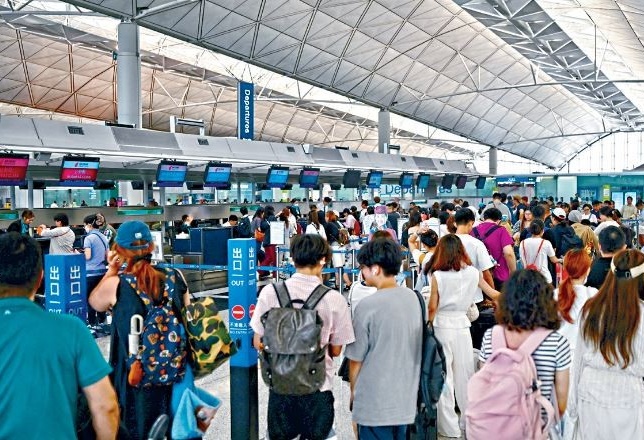
Consumer prices fell at the fastest pace since January 2024. SING TAO