Read More

US stocks open higher, spotlight on Fed
11 hours ago


US retail sales beat expectations in May
12 hours ago
(Video) 2 passengers thrown from taxi and killed in Tsing Sha Highway crash
17-06-2026 01:37 HKT

Financial institutions in the city are splashing out on hiring celebrities to attract new and young customers but experts warn that celebrity endorsements come with greater risks as many financial products are complex and could leave buyers with regrets, especially when markets are volatile.
Also, unexpected events such as the accident at Hong Kong boy band Mirror's recent concert or scandals involving celebrities could bring promotional activities to a halt or end endorsement deals completely.
The same risk applies to virtual idols despite the fact that they have grown in popularity under partnership with brands in the mainland.
Hong Kong doesn't limit using endorsers in the finance industry but mainland regulators set up rules this year to regulate the use of celebrities to promote investment products.
Among the top 10 industries with the highest ad spending in the second quarter in Hong Kong, banking and investment services ranked No 1, despite a year-on-year decrease of 2 percent, said a study by advertising monitoring service provider admanGo.
ADVERTISING BINGE
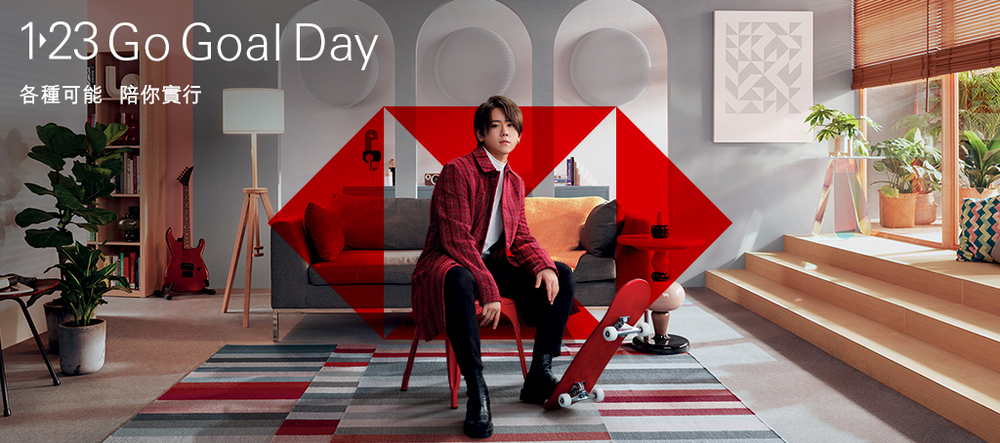
The Hong Kong and Shanghai Banking Corporation, which has hired 33 celebrities so far this year including Mirror member Anson Lo Hon-ting, ranked second behind consumer giant Proctor and Gamble among the top 10 brands with the highest advertising spending in the second quarter, the report said.
The bank, which partnered with Mirror lead singer Keung To to target young customers last year, was also the company with the highest advertising spending in 2021, up by 68 percent over the previous year.
HSBC said the number of new customers aged 18 to 34 grew by nearly 15 percent last year from a year ago and millennials accounted for nearly 55 percent of all new customers for the service endorsed by Keung.
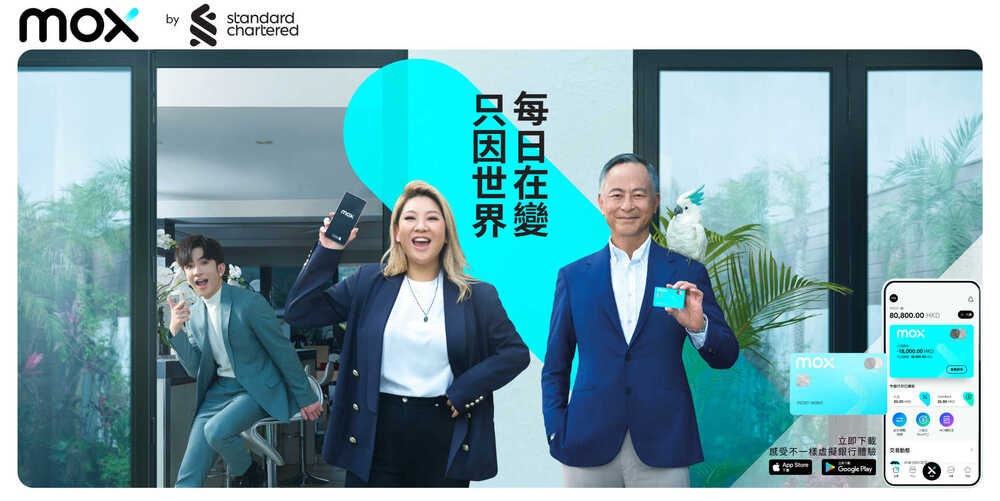
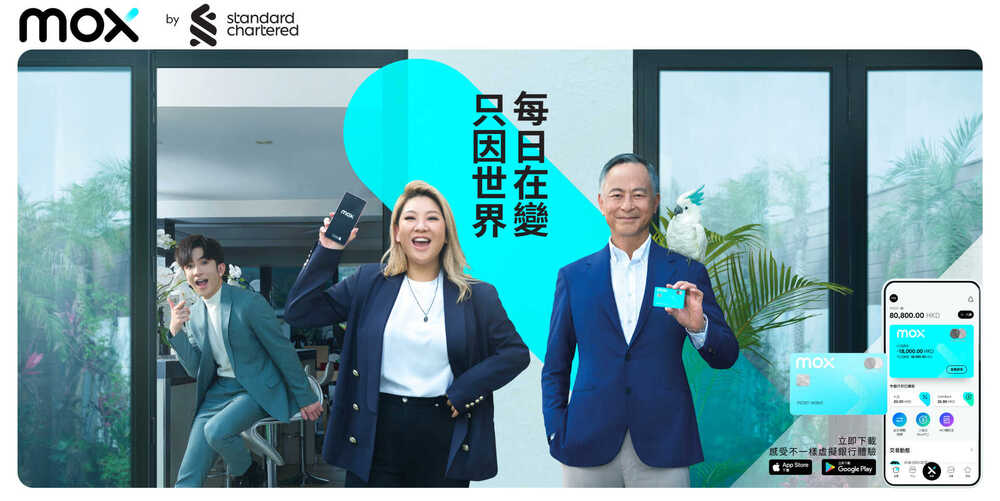
Mox Bank, the virtual lender which is majority owned by Standard Chartered , saw customer numbers triple to 350,000 in June this year. It hired Mirror's Lo, along with singer Joyce Cheng Yan-yee and film director Johnnie To Kei-fung, to launch its credit card service Mox Credit back in May 2021.
The banks did not reveal how much they paid to hire Mirror members, but ViuTV, the entertainment company that created and manages the 12-member boy band, saw an enormous rise in revenue last year.
ViuTV's advertising revenue more than doubled to HK$615 million, driven by its top artist Mirror, while income from its artist management and event business increased almost tenfold compared to the previous year, its parent company PCCW's (0008) annual report showed.
However, last month's tragedy during Mirror's concert at Hong Kong Coliseum - when a large screen fell and struck two dancers, leaving one critically injured - brought the band's activities to a sudden halt.
Mirror canceled its remaining shows while activities promoting the band in the city's most popular shopping district of Causeway Bay were also halted.
About 100 concertgoers or people who watched the Mirror concert accident video reported symptoms of post-traumatic stress disorder, said a charitable organization called Post Crisis Counseling Network, claiming the figure may rise to 270,000 after 30 days.
Apart from young idols, financial institutions have also turned to veteran celebrities for endorsements.
Hang Seng Bank (0011) invited Hong Kong's first Olympic gold medalist Lee Lai-shan again this year to promote Prestige Banking, its wealth management service. Older readers will remember that in a 2006 advertisement for Hang Seng Bank, Lee famously stated that "it takes HK$4 million to raise a child," which led to heated debate in Hong Kong at the time (the latest report ups the figure to HK$6 million).
INSURERS IN THE FRAY
The insurance industry is also a big spender in hiring celebrities and was ranked 10th in ad spending for the second quarter of this year.
Among them, AIA Hong Kong recently recruited world swimming champion Siobhan Haughey and singer Hins Cheung King-hin as its brand ambassadors.
AXA also hired Hong Kong singer and actress Sammi Cheng Sau-man as a brand ambassador in April. She is ranked third among the top 10 celebrities that enjoyed the highest ad spending in branded content on Instagram, behind Mirror's Lo and Cheung.
COMPLEX PRODUCTS
However, experts and analysts say investors should not blindly buy into celebrity financial endorsements as many products are complex and not easy to understand, especially some of the newer and riskier ones.
As the common man usually does not have much knowledge of financial products, companies tend to hire the hottest celebrities as endorsers and the fee they pay is only a fraction of the enormous revenue they earn, says Terence Chong Tai-leung, an associate professor of economics at the Chinese University of Hong Kong.
If an investment product does not guarantee a profit, the seller should properly disclose risks and provide proper investor education when conducting such promotions, Chong says.
Investors should also be careful when lesser-known companies hire big stars to sell riskier products and be more prudent amid the current market volatility, he says.
Also, when buying financial or insurance products, people should look at the returns and risks, which are open data, rather than which celebrities endorse them, Chong notes.
Some analysts point out that companies could be negatively affected if the celebrity they hire provokes any controversy and falls out of favor with their fans, even though brands no doubt carefully vet these stars before using them as endorsers.
And in times of an economic downturn, consumers may start to wonder why brands are spending so much their ambassadors but not giving them rebates or better deals, they say.
China has made moves to clamp down on celebrity endorsements on loans or investment product with the with China Banking and Insurance Regulatory Commission warning of "tougher penalties for misconduct in promoting financial products."
The bureau had earlier criticized celebrities, including Fan Bingbing and Huang Xiaoming, for their endorsement and promotion of products on a peer-to-peer lending platform linking savers with small borrowers.
SCANDAL RISKS
Besides, advertisers usually scrap endorsement deals if celebrities become embroiled in scandals. Last year, more than 10 high-end brands, including Louis Vuitton, Bulgari and Lancome, terminated their endorsement deals with Chinese-Canadian idol Kris Wu Yifan in less than a week following sexual misconduct allegations.
And while safer and cheaper virtual idols have attracted the attention of brands keen to avoid celebrity scandals, they are not without their risks.
Talent manager YH Entertainment drew a lot of flak from fans after it canceled livestreams of a member of the virtual band A-Soul amid reports that the artist behind the digital star was overworked and underpaid. Created by ByteDance, the virtual band of five girls had become endorsers for top brands including cosmetics giant L'Oreal and laptop firm Asus.
So while scandals may not affect sales of endorsed products immediately, companies will end endorsement deals as soon as they can once a celebrity's image has been tarnished, Chong concludes.