Read More


Morning Recap - August 25, 2026
1 hour ago






Night Recap - August 24, 2026
11 hours ago


IT manager sentenced to 22 months for stealing $1.2m in Deloitte laptops
21-08-2026 21:49 HKT

Collection of f ood waste in Hong Kong has surged by 70 percent, reaching 300 tonnes daily, following the installation of 740 smart recycling bins by the Environmental Protection Department in public rental housing estates as of July.
The bins are also connected to a big-data platform for effective monitoring.
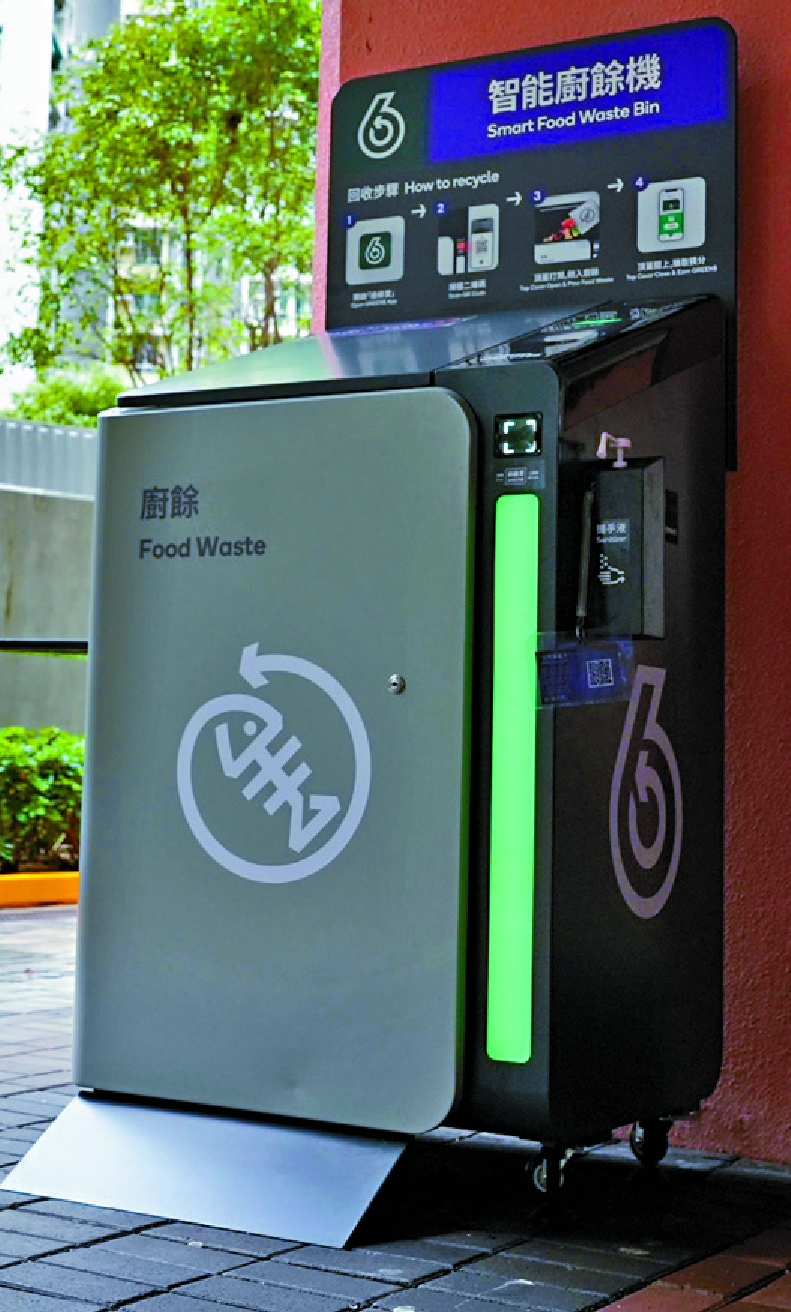
"The opening of the smart recycling bins is positioned 1.05 meters above the ground, featuring an anti-pinch hand design and sensor lighting to facilitate convenient recycling at night," Wan said.
Each bin has an inner compartment that can hold up to 120 liters of food waste.It automatically alerts cleaners when the waste reaches 70 percent capacity.
A screen indicates when the bin is full, providing timely notifications to both cleaners and residents.To combat odors, the inner bin is sealed, and each recycling bin is outfitted with a deodorizing device that sprays regularly.
Wan said the bins also feature exhaust systems and activated carbon filters to minimize odors from food residue.Also, a built-in ultrasonic insect repellent helps deter pests.
Another contractor, Lawson Lau Wai-yan, executive director of Cornerstone, said each smart recycling bin is linked to the big-data platform, which monitors food waste trends across different estates."This data can help analyze residents' recycling habits and participation rates, aiding in the effective planning of food-waste initiatives," he said.
To enhance the bins' stability and longevity, the contractor plans to periodically upgrade the units by installing new antennas and replacing aging components.A cleaner at Tak Long Estate in Kowloon City said many residents have taken to regular food waste recycling since the bins were introduced.
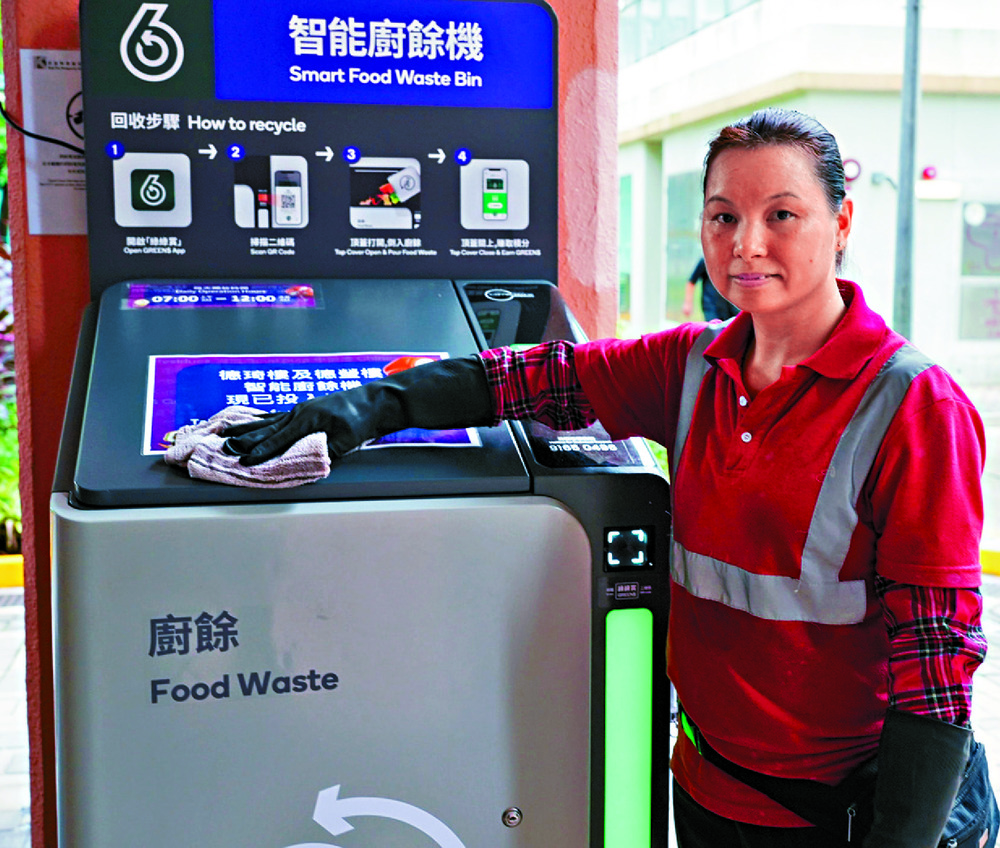
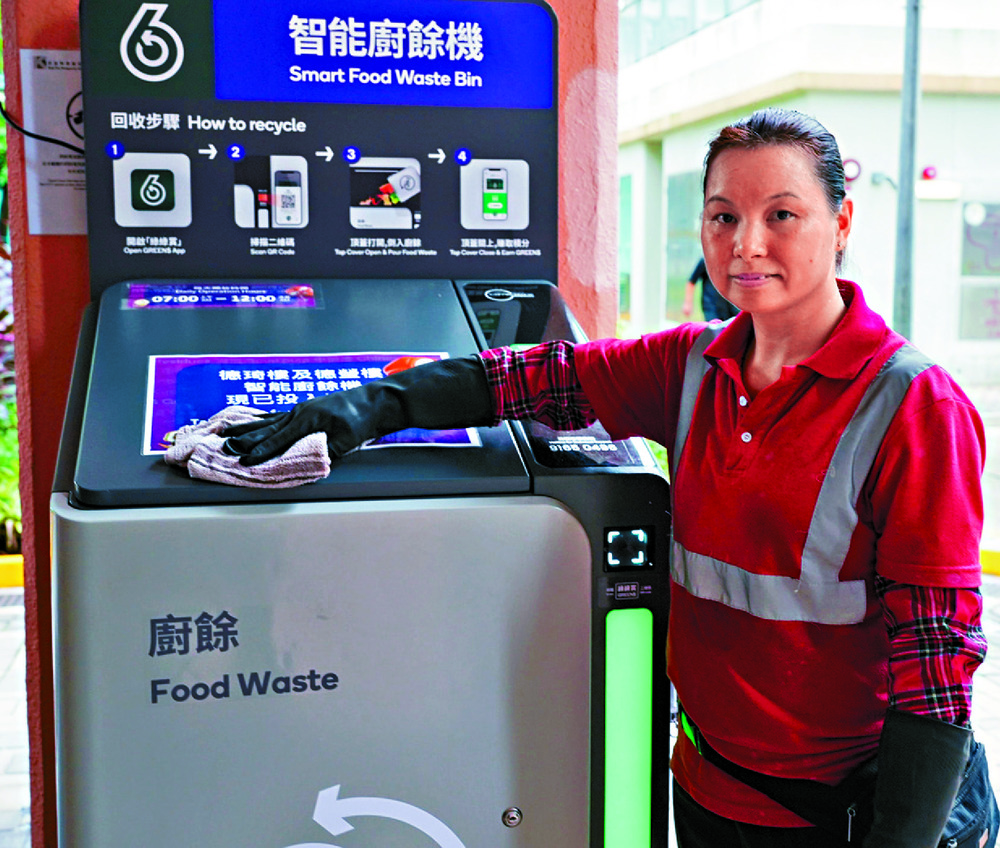
The estate currently has eight smart recycling bins, and the cleaner said the team is familiar with residents' recycling patterns, ensuring that bins are seldom overfull."Residents understand the recycling rules well; they know that raw, cooked, leftover or spoiled food can be recycled, while items with excessive moisture, disposable tableware and lunch boxes should not be placed in the bins," she said.
To maintain hygiene, cleaners regularly sanitize the edges of the bins with bleach and replenish hand sanitizer and deodorant.The government's food waste smart recycling bins come from various contractors with distinct designs.
Citizens are encouraged to recognize the bins by their fishbone pattern and the Environmental Protection Department's logo.