
Read More





(Video) Girl slapped at Kwun Tong’s apm mall, two women arrested
26-08-2026 19:39 HKT
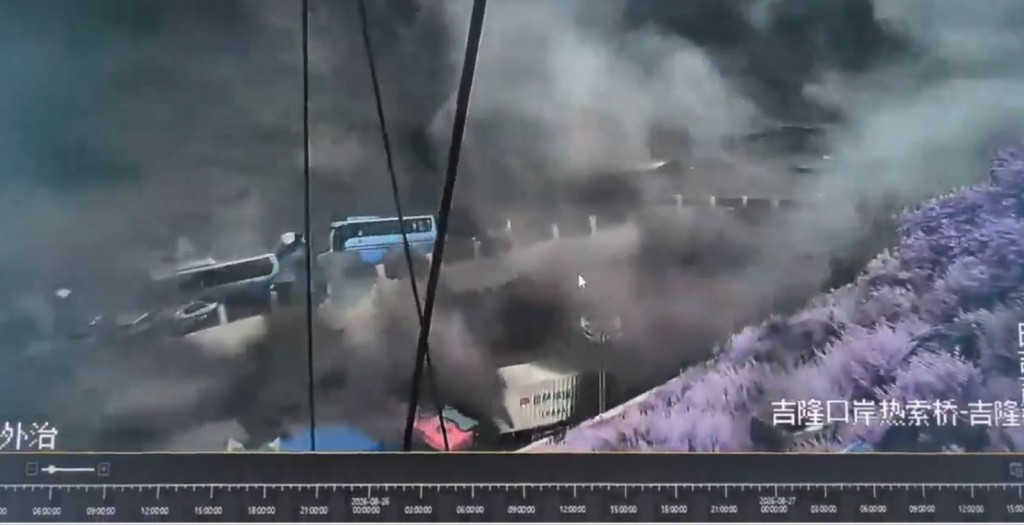
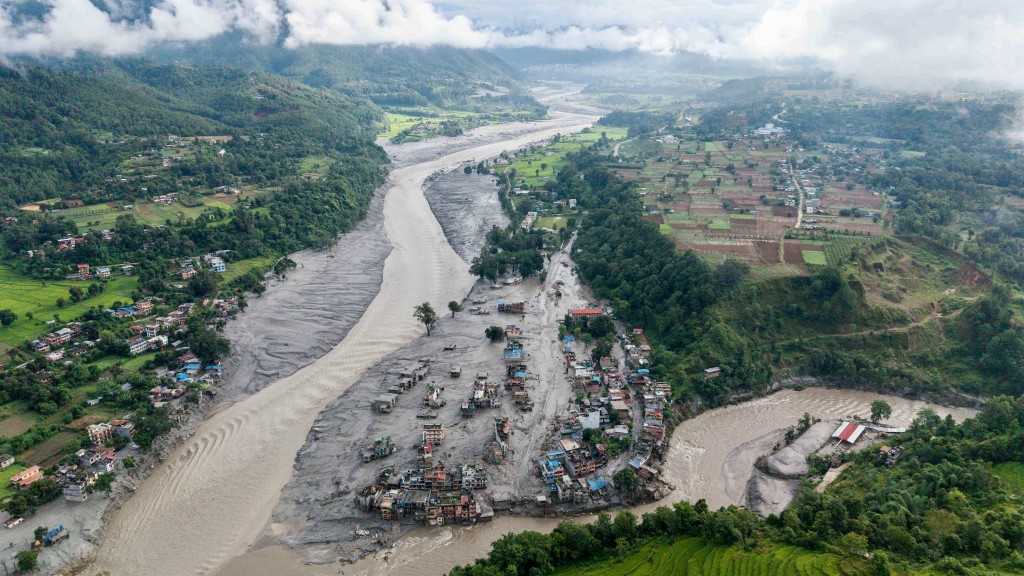
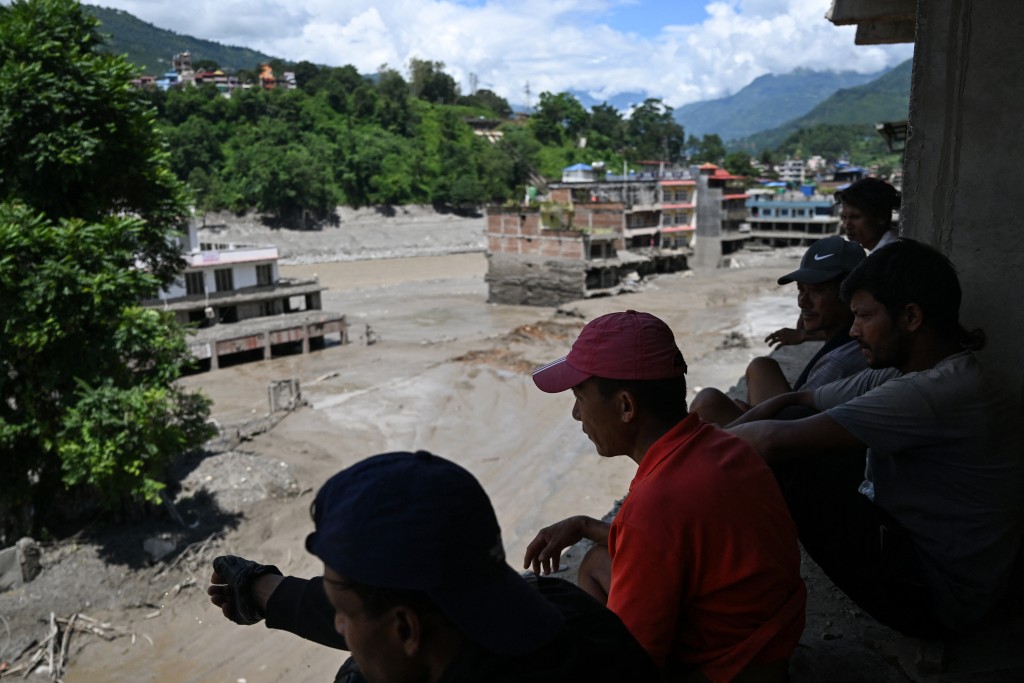
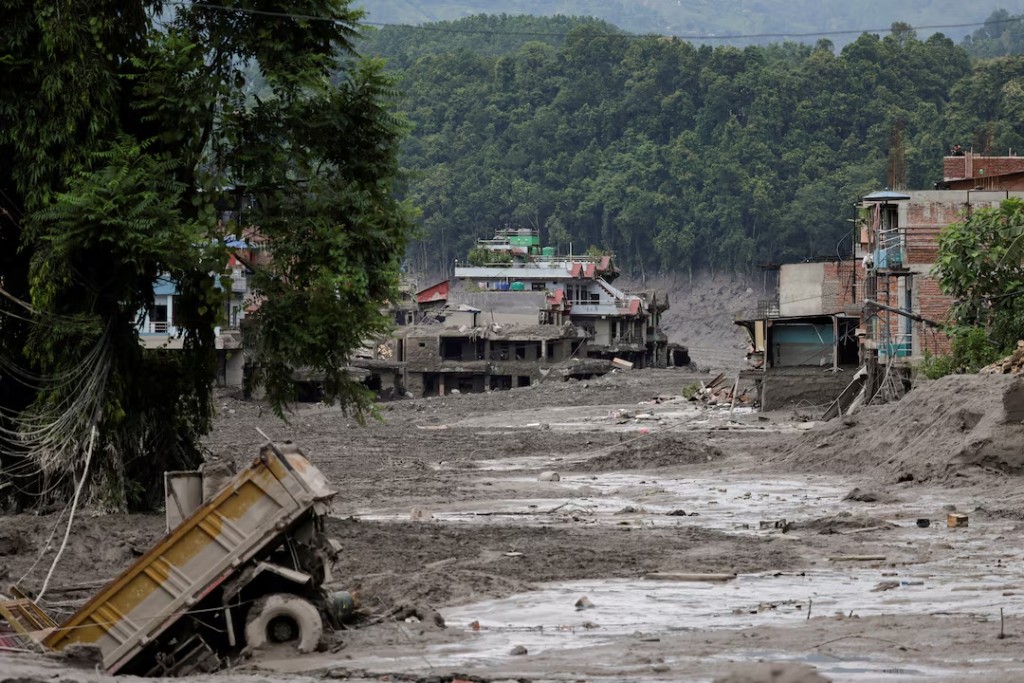
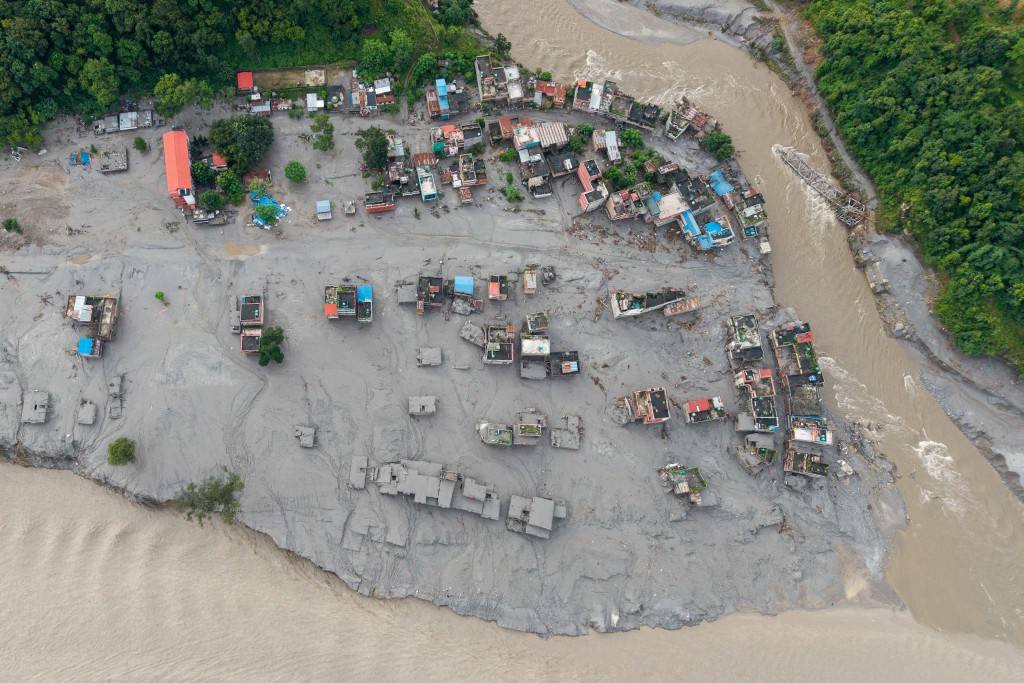
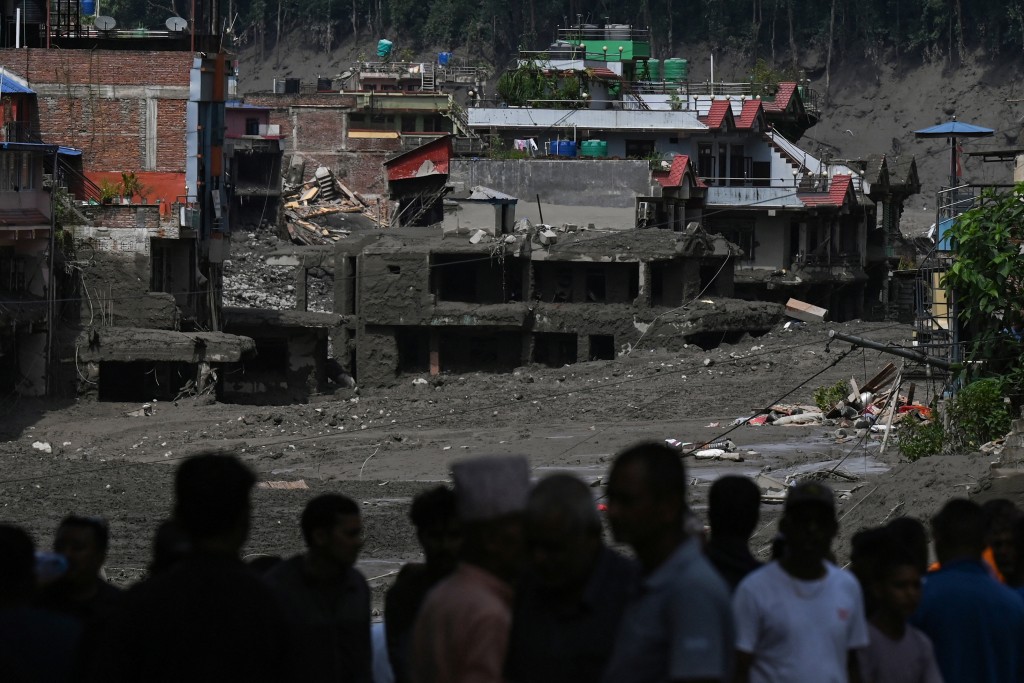
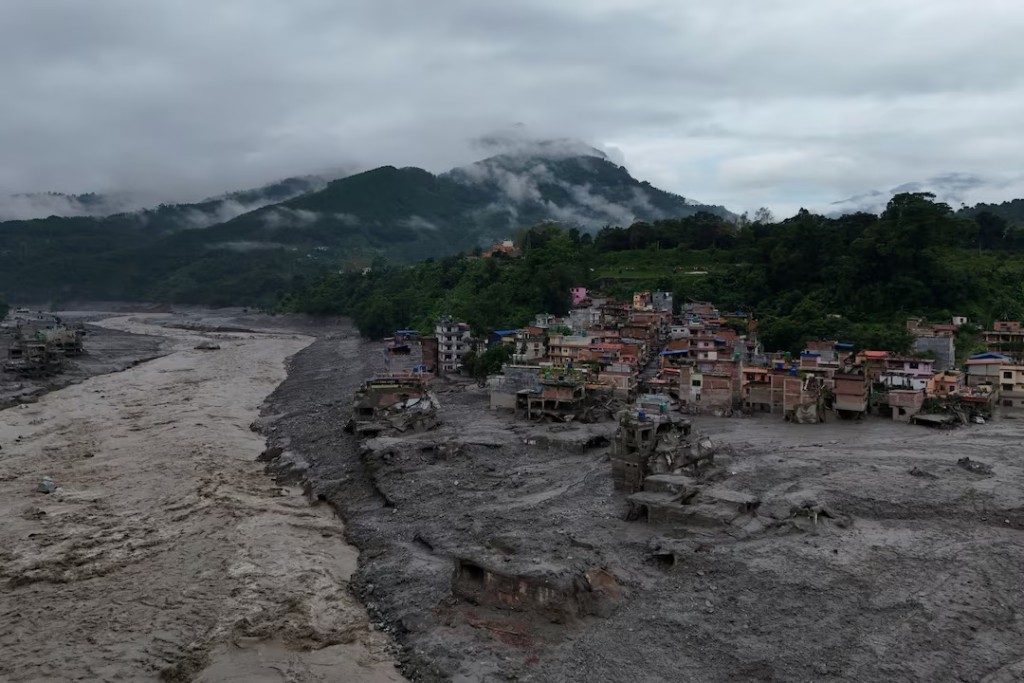
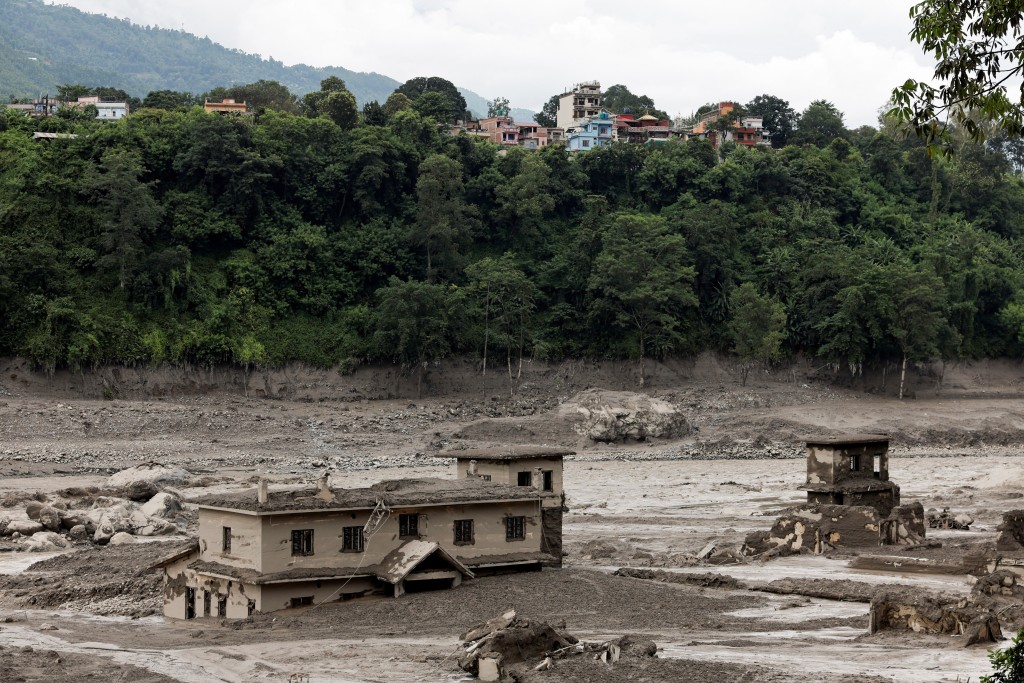
Flash floods and mudslides tore through a border region between China and Nepal on Wednesday morning, leaving at least 160 dead and 600 missing across both countries.
Speaking on a radio program, Chan Lung-sang, visiting professor in the Earth and Planetary Science Department at the University of California, Berkeley, explained that mudslides resemble standard landslides but feature a much higher water content. This allows them to sweep up large rocks and fast-moving silt, likely contributing to the large number of casualties.
Chan noted that the disaster occurred at a seismically active plate boundary. Based on available data, he said an earthquake may have triggered an avalanche that caused a glacier to collapse with the resulting meltwater eroding mud and soil to form a massive mudslide.
He said that it is difficult to predict whether a mudslide will occur at any given location. While topography and geological conditions can help assess risk levels, pinpointing the timing of such sudden disasters remains challenging.
He added that because the disaster occurred in the Tibetan Plateau and Himalayan region, preventative measures such as slope reinforcement would be both costly and technically demanding to implement.