Hong Kong has achieved notable progress in waste reduction, recycling, and environmental protection over the past four years, according to Secretary for the Environment and Ecology Tse Chin-wan.
In a recent blog review, Tse highlighted that despite the suspension of municipal solid waste (MSW) charging, there has been a marked increase in public awareness and participation in waste reduction and recycling initiatives.
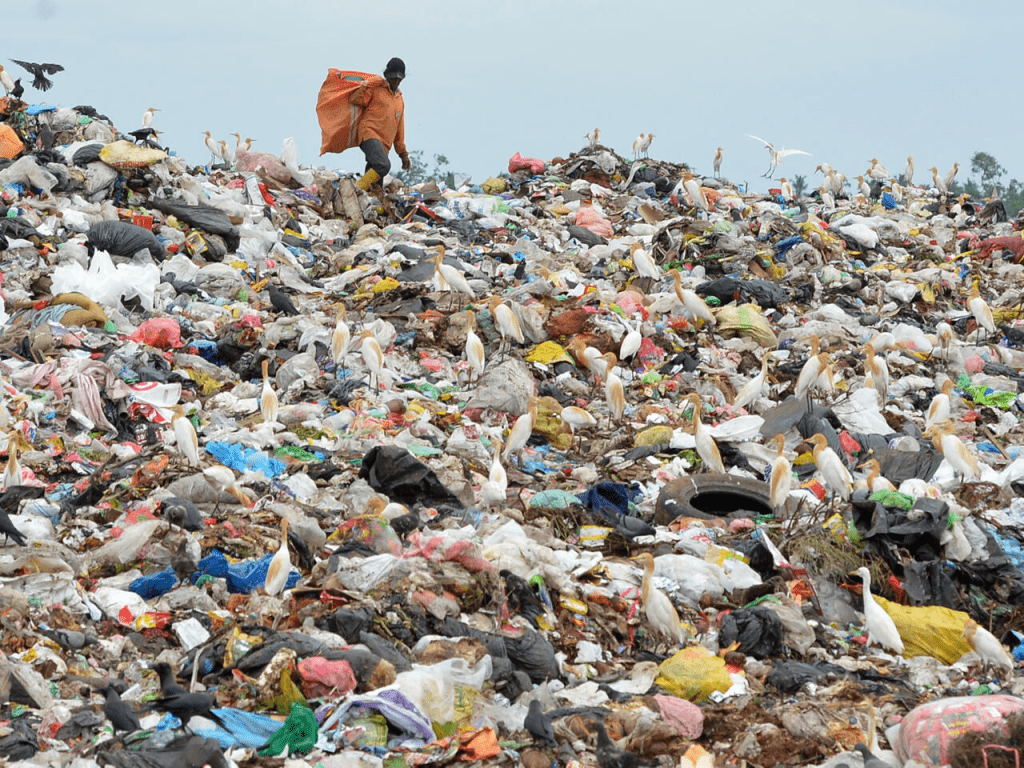
Official data shows that the amount of MSW has decreased for four consecutive years, while the recovery rate has continued to rise. The overall recovery volume increased from around 1.5 million tonnes in 2020 to about 2 million tonnes in 2024—an increase of roughly one-third.
The quantity of food waste recovered also saw significant growth, rising from an average of about 135 tonnes per day in 2022 to approximately 350 tonnes per day in 2023. This represents a 1.6-fold increase.
Following the introduction of legislation regulating disposable plastic tableware and other plastic products, over 80 percent of customers at chain restaurants no longer require takeaway tableware. The public has gradually adopted the use of reusable tableware, saving an estimated 60 million sets of disposable tableware each year.
Tse said the government is also consulting with industry stakeholders on new responsibility-based regulations for electric vehicle batteries, plastic beverage containers, and paper beverage cartons. A consultation with the Legislative Council is expected later this year.
The environmental chief emphasized the government’s achievements in promoting electric vehicles (EVs) and expanding charging infrastructure. Hong Kong now has over 170,000 EVs—about six times the number in 2021. More than 70 percent of newly registered private cars are electric, placing Hong Kong among the world’s fastest-growing EV markets.
Air quality in Hong Kong has also reached its best levels since the handover, according to Tse’s review.
Compared to 2004, the annual average concentration of major air pollutants dropped by 45 to 88 percent last year. Roadside air pollutants also declined by 37 to 83 percent, positioning Hong Kong among the top cities in the Greater Bay Area and across China for air quality improvements.