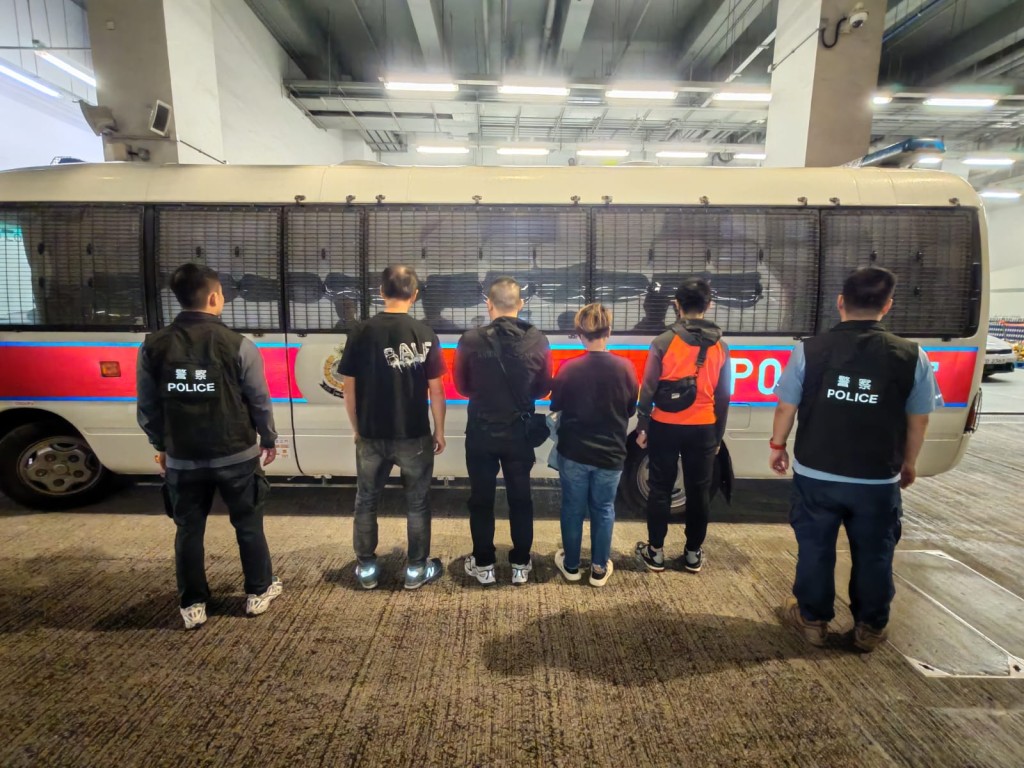
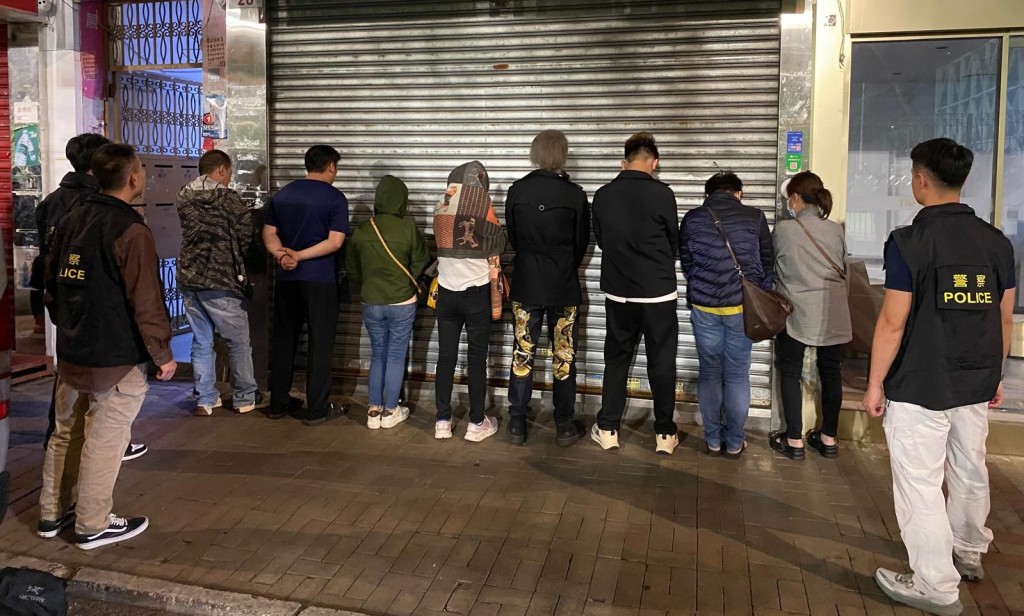
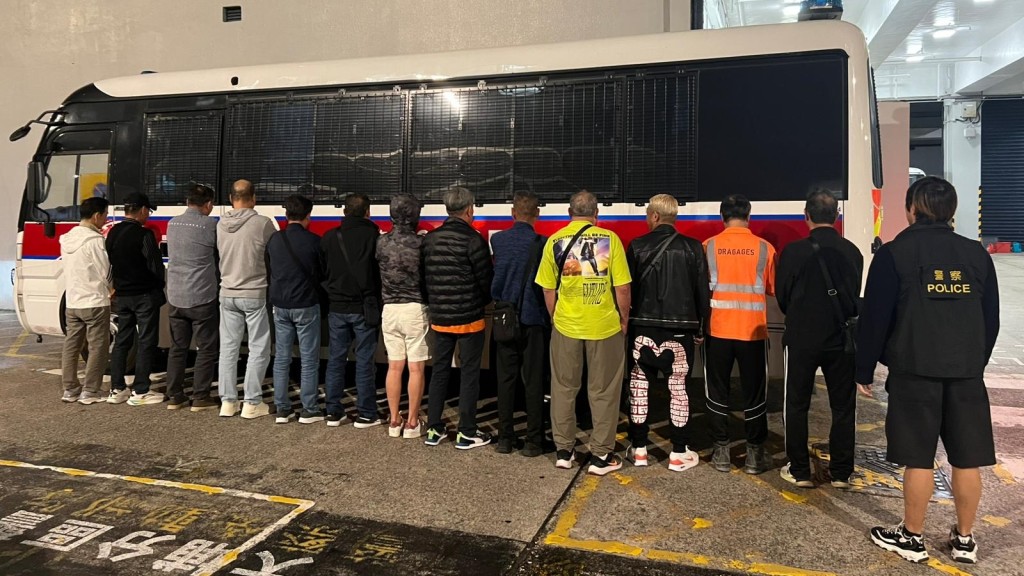
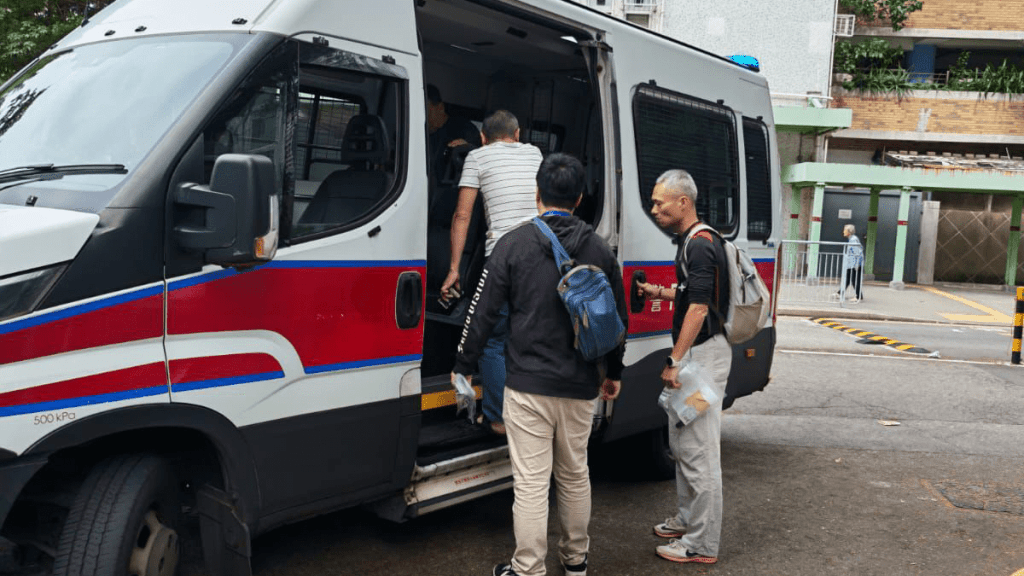
As the World Cup approaches in mid-June, illegal gambling syndicates are ramping up their activities, targeting new gamblers through online platforms, social media, and messaging apps. The illegal gambling agents have intensified efforts to lure gamblers, raising concerns among authorities ahead of the global sporting event.
An investigation by East Week, the sister publication of The Standard, reports that "Citibet" and "Huangguan" are the two largest and most active illegal gambling syndicates in Asia.
Citibet is estimated to handle over HK$80 billion in illegal horse racing bets each year, equivalent to around 80 percent of the legal betting volume associated with the Hong Kong Jockey Club.
The emergence of unregulated Prediction Markets has given bookmakers a new avenue to attract unsuspecting participants, many of whom believe they are merely analyzing trends but are, in fact, engaging in illegal gambling. Syndicates have ramped up advertising on social media, with some posts offering direct contact with illicit agents.
These gambling websites offer bets on sports, horse racing, baccarat, esports and more. They also claimed to hold legal licenses in Malta and the Philippines. Customers are incentivized to upload identification documents for bonuses, while promoters operate WhatsApp groups to share gambling tips and draw in more clients.
Illegal gambling syndicates are looking to profit from the approaching World Cup. (AFP/File)
Insiders say bookmakers based in the Philippines and Cambodia have rolled out plans targeting Hong Kong, such as employing round-the-clock Chinese-speaking customer service support to appeal to Hong Kong bettors. In addition to Citibet and Huangguan, tens of thousands of illegal gambling sites are said to target Hong Kong and other Asian regions, with Citibet specializing in horse racing and Huangguan focusing on sports gambling.
It was reported that Citibet's gambling volume on Hong Kong horse racing reached HK$83 billion in 2021-2022, compared to the Hong Kong Jockey Club's legal betting volume recorded at HK$105.3 billion.
It is understood that Citibet was first involved in illegal gambling activities in mainland China in 2007, with the amount involved reaching 5 billion yuan. In 2009, its monthly gambling volume soared to 280 billion yuan, making it one of the largest illegal gambling websites in Asia.
The platform operated in multiple countries and regions, including Hong Kong, Australia, Malaysia, Singapore, Japan, the United States, and the United Kingdom.
Its past promotional and customer acquisition methods were highly controversial. For example, it allegedly hired KOLs with a monthly salary of 30,000 yuan to conduct seductive live streams and had them flaunt luxury cars and watches on social media.
It is rumored that Citibet's servers were located in Cyprus and Costa Rica, while the mastermind was hidden in Southeast Asia.
As for Huangguan,it was once dismantled by Guizhou police in 2007. At the time, its monthly gambling volume reached 170 billion yuan. The site operated with strict internal protocols, using coded language for transactions and accepting only e-payments.
According to a report by the Asian Racing Federation (ARF), the rapidly expanding influence of illegal gambling websites has put the horse racing industry's revenue at risk.
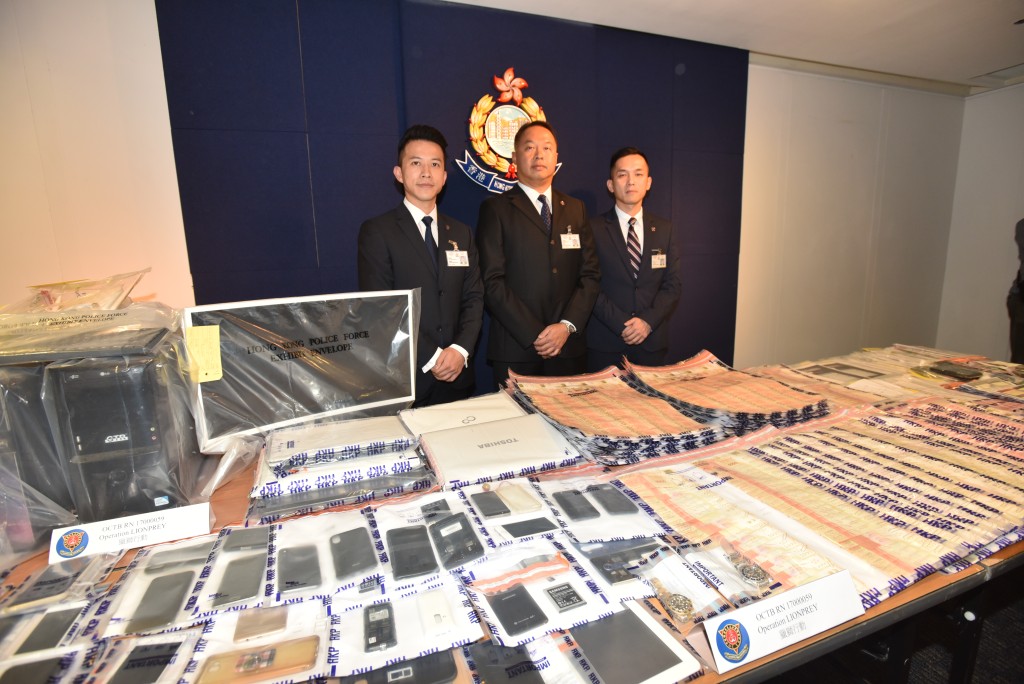
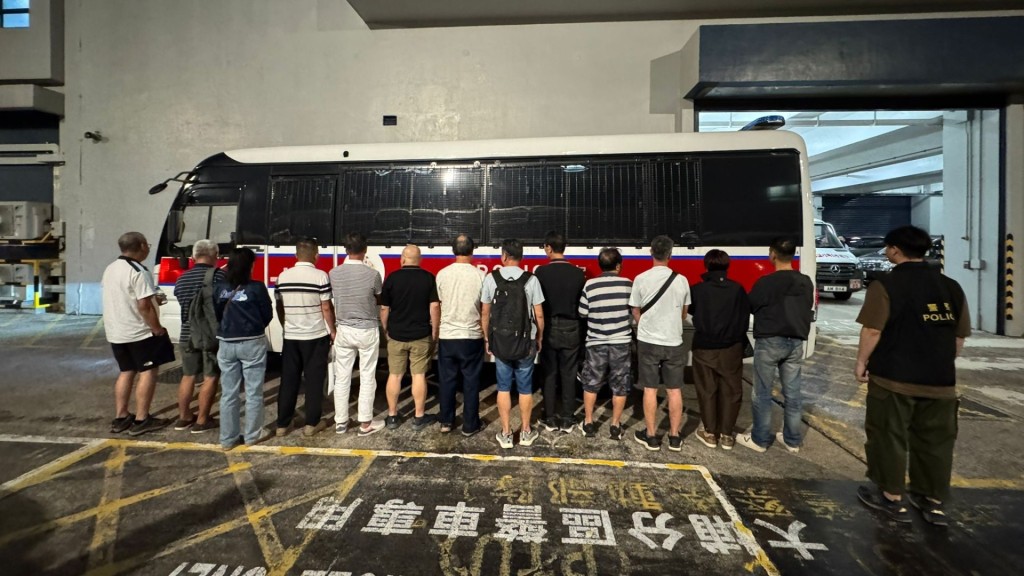
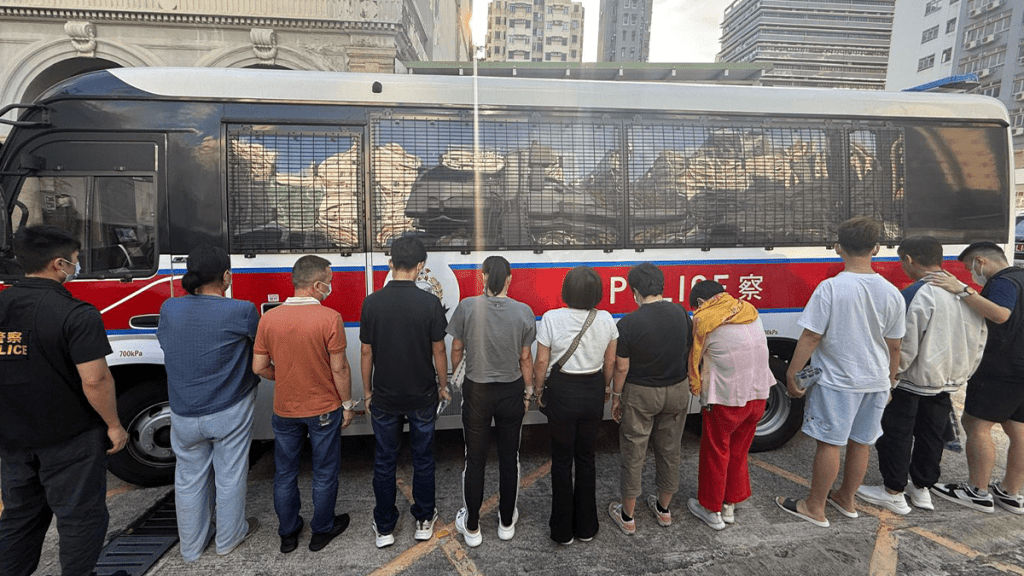
Hong Kong and mainland authorities seized illegal gambling records worth US$138 billion after dismantling a cross-border gambling ring in 2017. (File photo)
It highlights a 2017 joint operation by Hong Kong and mainland authorities that dismantled a cross-border gambling ring, seizing illegal gambling records worth US$138 billion, US$1.4 million in cash, and arresting 71 suspects. Most of the funds were linked to football and horse racing bets.
The report explains that Citibet did not directly own or operate thousands of websites, but instead used a 'plug-in' model, sharing gambling market data and pirated live streams with affiliated sites. Affiliates could easily launch their own gambling portals by copying a few lines of code.
The ARF warns that illegal gambling revenue may now surpass that from the legal channels. Cracking down on these sites is increasingly difficult—especially with the proliferation of hard-to-trace mirror websites. ARF urges authorities to expand legal betting options and intensify international collaboration to protect consumers and curb organized crime.
Prediction markets just 'sugar-coated online gambling'
Prediction markets are facing growing global scrutiny as many criticize the practice as "sugar-coated online gambling."
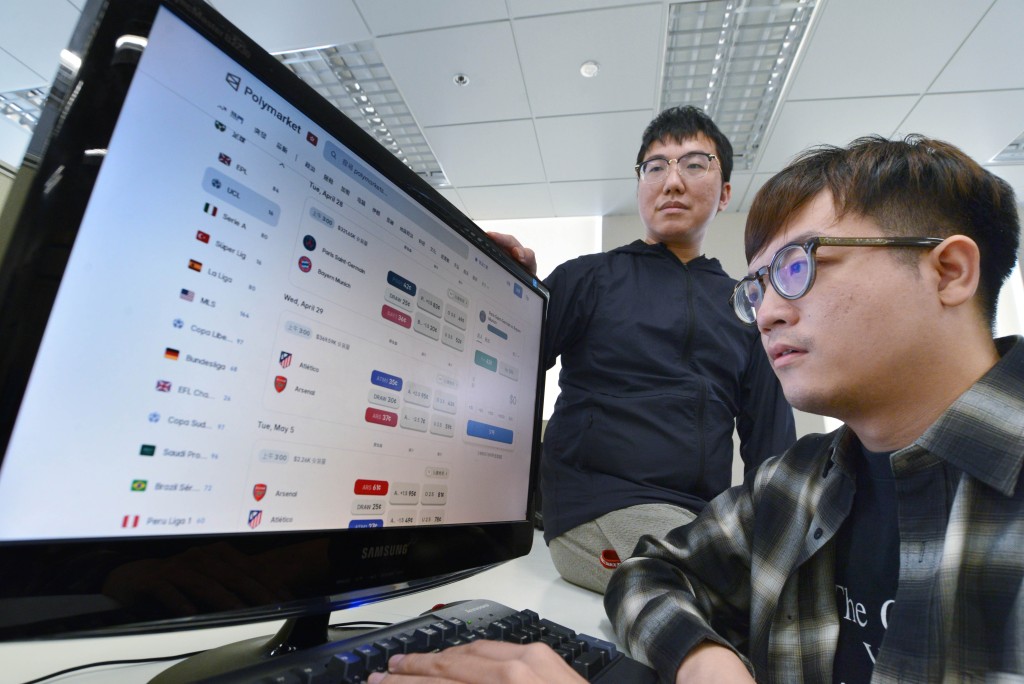
Trading activities on prediction markets are concentrated on two main platforms – Polymarket and Kalshi – where users can bet on almost any future event, ranging from a US-Iran war to Oscar winners. About 40 percent of transactions are sports-related.
According to reports, the prediction market’s global trading volume hit US$64 billion (HK$499.2 billion) in 2025.
Economists warned that prediction market platforms rely on blockchain and cryptocurrency for transactions to bypass financial and gambling regulations.
The experts further noted that the decentralized nature of the market makes the funds and users hard to track, which creates a loophole for criminals and illegal bookmakers to open new markets under the disguise of "forecasting future events" with betting odds beneath the surface.
The economists said it is like a sugar-coated poison, and the approach leads participants to believe they are evaluating markets, but they are actually falling into gambling addiction.
In response to rising illegal gambling activities, the UK’s government announced the establishment of an Illegal Gambling Taskforce in January. According to reports, the Taskforce has three core goals, including preventing or reducing payments to and from illegal gambling operators.
Polymarket is one of the main prediction market platforms
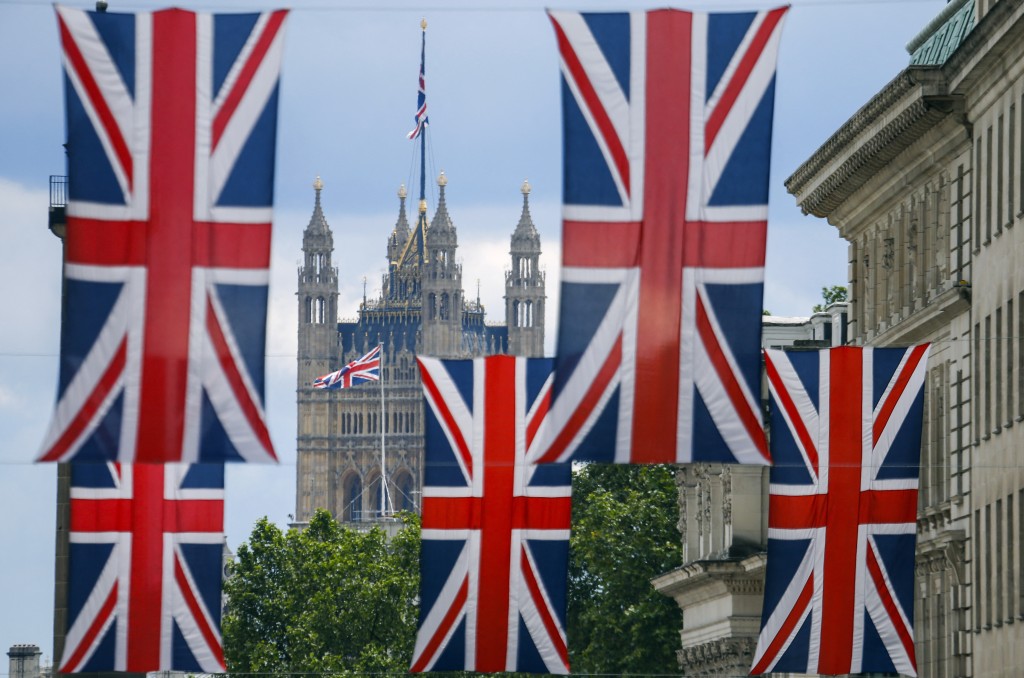
The UK set up the Illegal Gambling Taskforce to combat the activities.
𝗙𝗼𝗹𝗹𝗼𝘄 𝘁𝗵𝗲 𝗰𝗼𝗺𝗺𝘂𝗻𝗶𝘁𝘆 𝗼𝗳 𝗧𝗵𝗲 𝗦𝘁𝗮𝗻𝗱𝗮𝗿𝗱↓