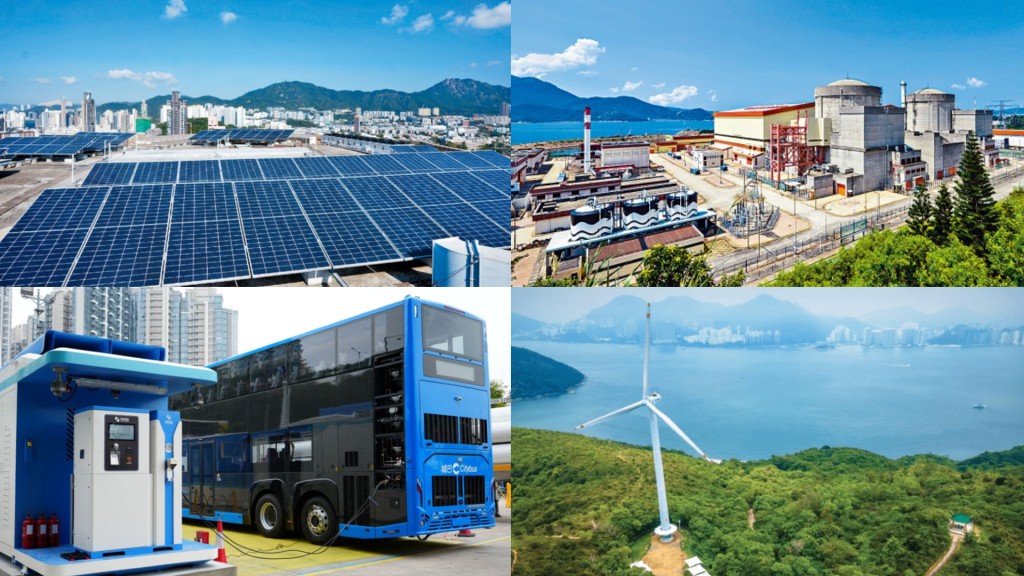
As escalating tensions in the Middle East fuel uncertainty in global energy markets, Hong Kong’s vulnerability as a city without domestic energy resources has come under the spotlight. Experts say the heavy reliance on imports and limited space for local energy production or storage make it imperative for energy transition – a move that could serve as a model for densely populated, resource-dependent cities around the world.
Natural gas currently supplies 55.5 percent of Hong Kong’s electricity, with about 12 percent of that coming from Qatar. Low-carbon energy including nuclear, solar, and wind now contributes a quarter of Hong Kong's energy mix but the government aims to boost it to 60-70 percent before 2035.
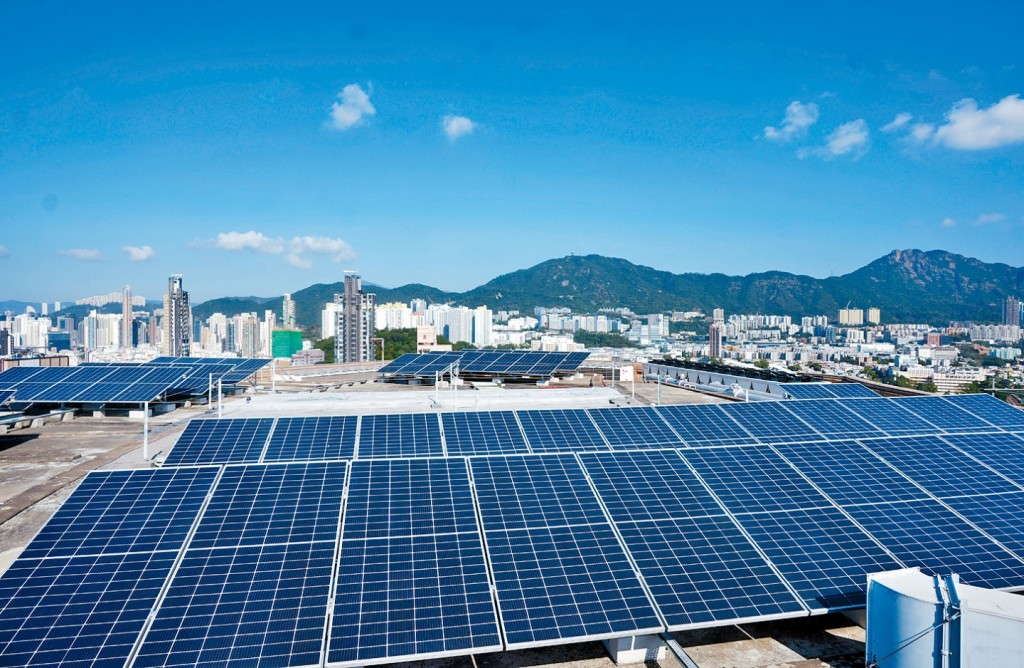
Solar energy is considered a practical option, given the city’s dense network of rooftops. A recent academic study suggested that fully covering 233,000 buildings with solar panels could generate up to 4.67 billion kilowatt-hours per year.
“Solar technology is rather mature, and capital costs have become much more affordable with strong backing from the mainland's stable, large-scale panel manufacturing,” said CarbonCare InnoLab executive director Ivy Leung. She noted that solar works well in Hong Kong’s sunny climate, with emerging technologies like thin-film and building-integrated photovoltaics offering more options for urban areas.
However, the chief executive of the World Green Organisation William Yu Yuen-ping said: “Solar energy is hugely affected by geography.” Even including panels on ponds and waste-to-energy facilities, the scheme's 466 million kWh annual output accounts for only 1 to 2 percent of the city's total electricity consumption.
"The government’s Feed-in Tariff scheme, launched in 2018 allowing sale of solar energy generated to power companies, is scheduled to end in 2033, with little likelihood of being extended. Wind power also offers potential for energy transition – with studies estimating more than 8 billion kWh could be generated – but high costs, limited sea space, and planning challenges remain," he added.
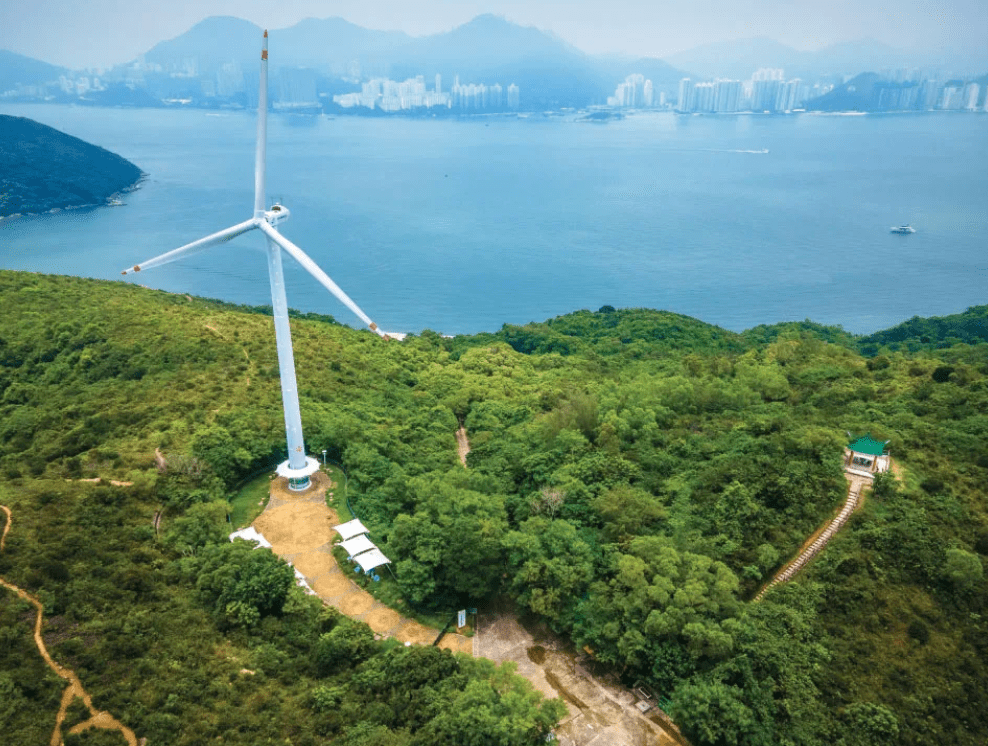
Hong Kong’s only commercial-scale wind turbine, Lamma Winds, is set to be dismantled after reaching its two-decade design life.
Yu said plans for offshore wind farms have struggled to achieve economies of scale due to the city’s limited size.
Veteran engineer Edmund Leung Kwong-ho agreed: “With our small footprint and restricted land use, renewable energy has very little room for growth, especially wind power.”
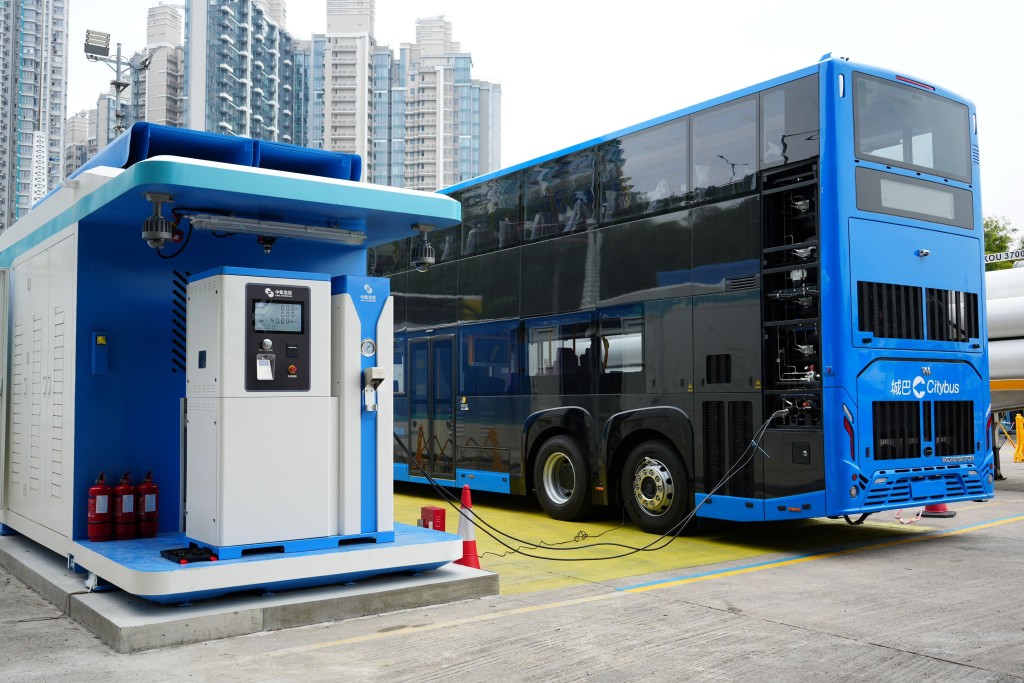
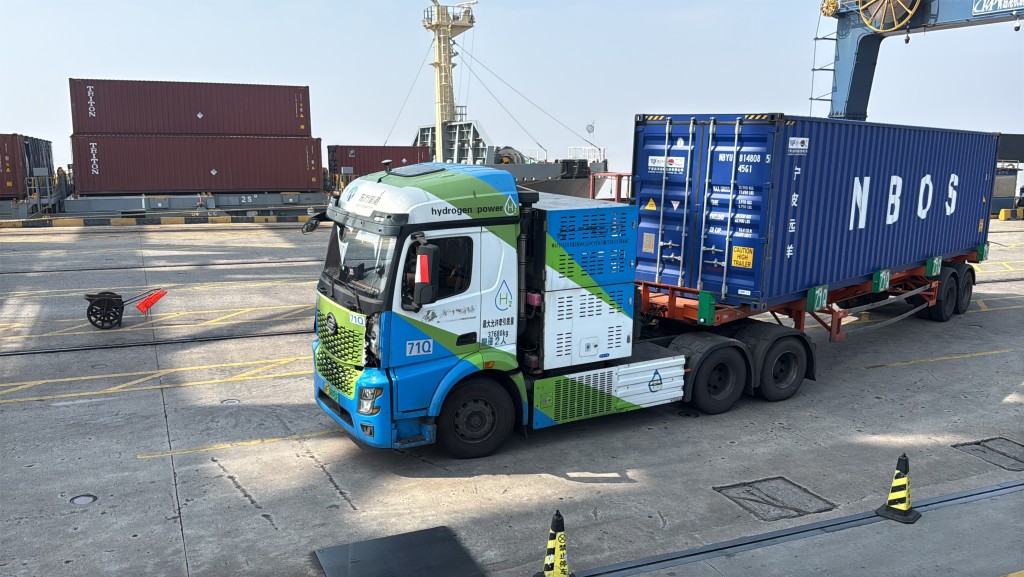
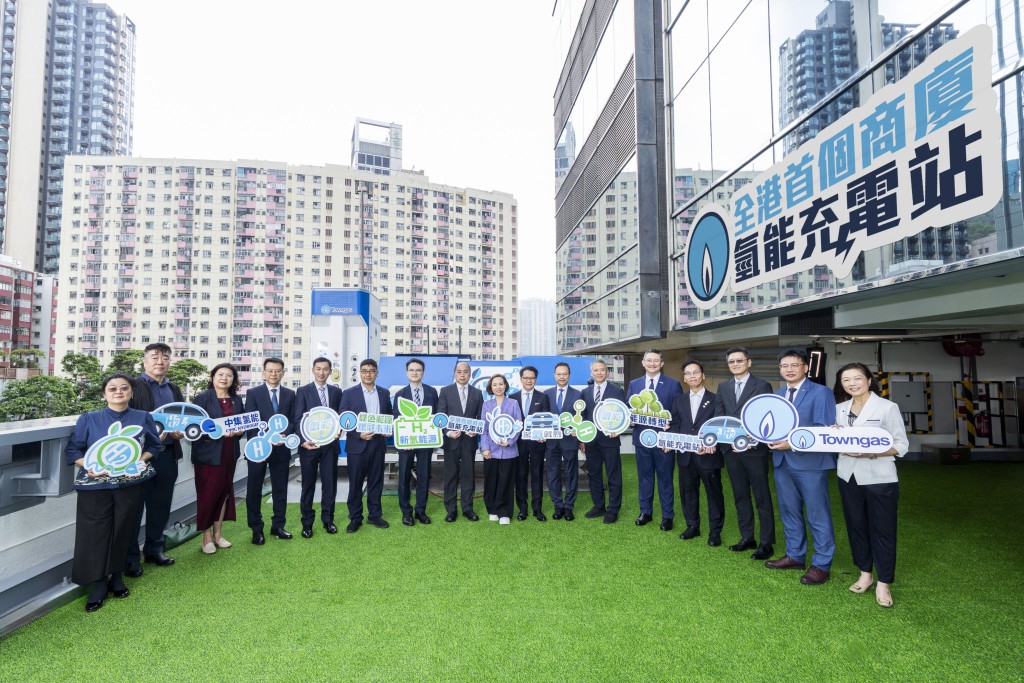
Hydrogen is emerging as a potential long-term alternative for transition. About 35 pilot projects – including hydrogen buses, street sweepers, and refueling stations – are underway. “If the city’s technology supports a shift to green hydrogen, it could become a strong alternative fuel,” Yu said.
Still, cost is a major barrier. Green hydrogen, generated by renewable energy, could cost four to six times more than diesel, with price parity not expected before 2040. This is compared to gray hydrogen, generated by fossil fuels.
Edmund Leung noted that production and transport of hydrogen will struggle to meet Hong Kong’s heavy energy demand, let alone using hydrogen for power generation.
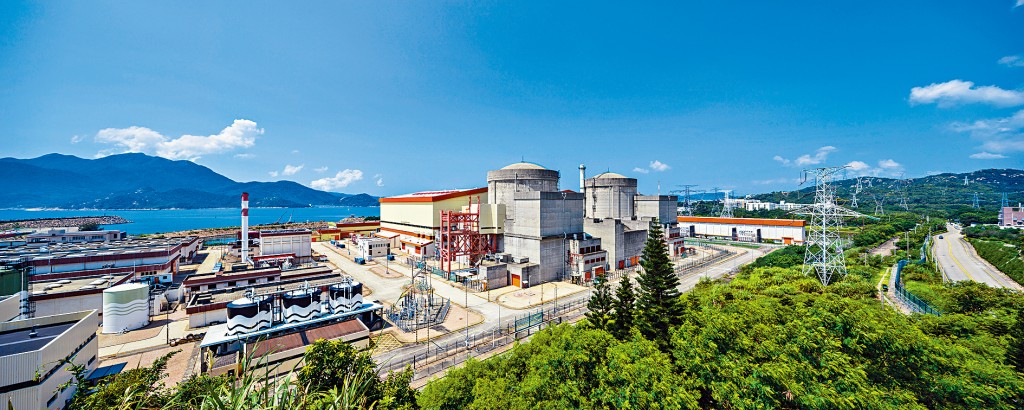
As for nuclear power, imports from Guangdong’s Daya Bay Nuclear Power Station provide about a quarter of the city’s electricity. As of early 2025, cumulative imports have surpassed 320 billion kWh, making nuclear a vital low-carbon energy source. Edmund Leung highlighted nuclear power’s reliability and noted that further imports from the mainland are the most workable option for Hong Kong’s energy needs over the next two decades.
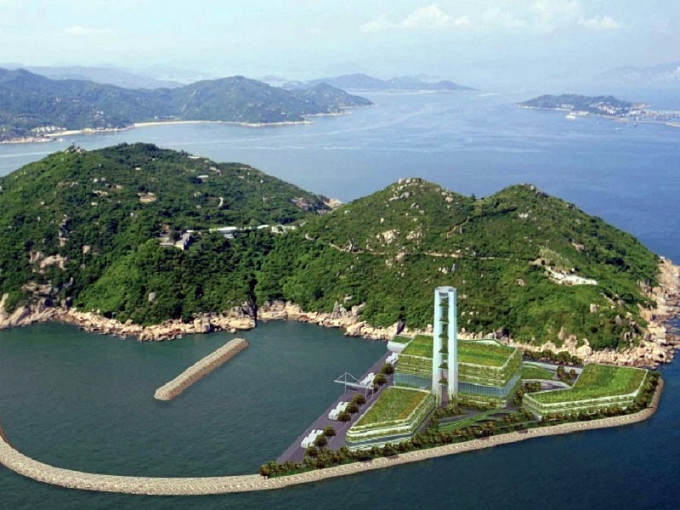
On new technologies like small modular reactors, which are only about one-third the size of traditional nuclear reactors, Yu cautioned that the costs and long construction times remain as challenges. “Safety, regulatory approval, and environmental impact still need careful assessment,” he said. Holding a similar conservative view to SMR, Ivy Leung cites land scarcity, high costs, and safety concerns as major hurdles.
Waste-to-energy for energy transition is also being explored. The I·PARK1 facility, operational since December, is expected to supply 480 million kWh of electricity annually. “It’s worth exploring as the city develops incinerators,” Yu said, adding that some facilities are already supplying households. But Edmund Leung expects waste-to-energy to provide less than 5 percent of total power generation in the short term.
With local renewable options limited, experts see collaboration with the Greater Bay Area as a key pathway for energy transition.
“China has far more resources to develop renewables, from wind to hydrogen,” Yu said, though he cautioned that cross-border transmission infrastructure will take years to develop.
Ivy Leung warned of potential energy losses during transmission and stressed the need to properly balance power flows between Shenzhen, the Northern Metropolis, and Hong Kong.
Edmund Leung emphasized China’s huge internal energy demand, and all three experts warned against excessive dependence on mainland energy.
HK's energy future: flexibility, storage, and GBA collaboration
Hong Kong must improve system flexibility and manage growing demand while expanding low-carbon energy, experts say.
Both power companies are already making moves. CLP Power Hong Kong is piloting hydrogen-blended gas at Black Point Power Station and testing carbon capture technology. Despite tight gas supplies, HK Electric has implemented contingency plans, including a battery-powered "Green Mobile Emergency Power System." Both power companies have installed smart meters to encourage off-peak electricity use.
But expanding supply is only half the battle. "Supply will never be enough if demand keeps growing," warns William Yu, who points to energy storage and grid management as critical fixes.
Ivy Leung calls energy storage essential for Hong Kong's long-term self-sufficiency and outage resilience, especially as a typhoon-prone city. She highlights Battery Energy Storage Systems which, when paired with solar panels, can store daytime energy for evening peak hours.
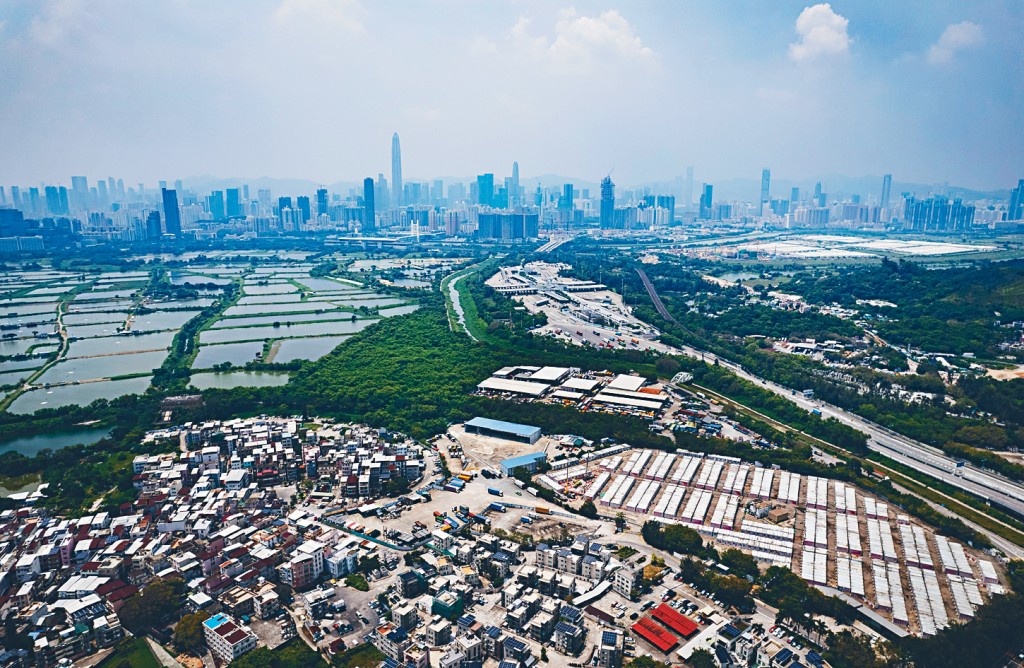
On microgrids – small networks that can run independently from the main grid – Yu sees a pathway to greater efficiency. But Edmund Leung cautions that building structures and plot ratio rules leave little space for generators. Ivy Leung sees promise for remote areas, pointing to Dawn Island as proof. She believes new developments like the San Tin Technopole could integrate microgrids from the start.
On "sector coupling" – a European model that integrates electricity, heat, transport, and industry – Ivy Leung is optimistic. If incorporated early in new developments, she says, it could cut emissions across the system.
With local renewable energy constrained by limited space, collaboration with the Greater Bay Area is a logical path forward, particularly in the Northern Metropolis for hydrogen infrastructure, solar farms, and grid connections. "Undoubtedly, China has far more resources to develop renewables," Yu says, but cautions that cross-border transmission will take years of planning.
Ivy Leung worries about energy losses during transmission and the challenge of balancing power flows between Shenzhen, the Northern Metropolis, and Hong Kong's grid. Edmund Leung adds that demand from new projects will likely outstrip any additional supply.
Still, the experts agree on the goal: reduce reliance on any single external energy source, expand feasible low-carbon options, and improve system flexibility. That way, Hong Kong can withstand global shocks while keeping power stable and affordable.
Singapore government cuts energy usage amid disruption
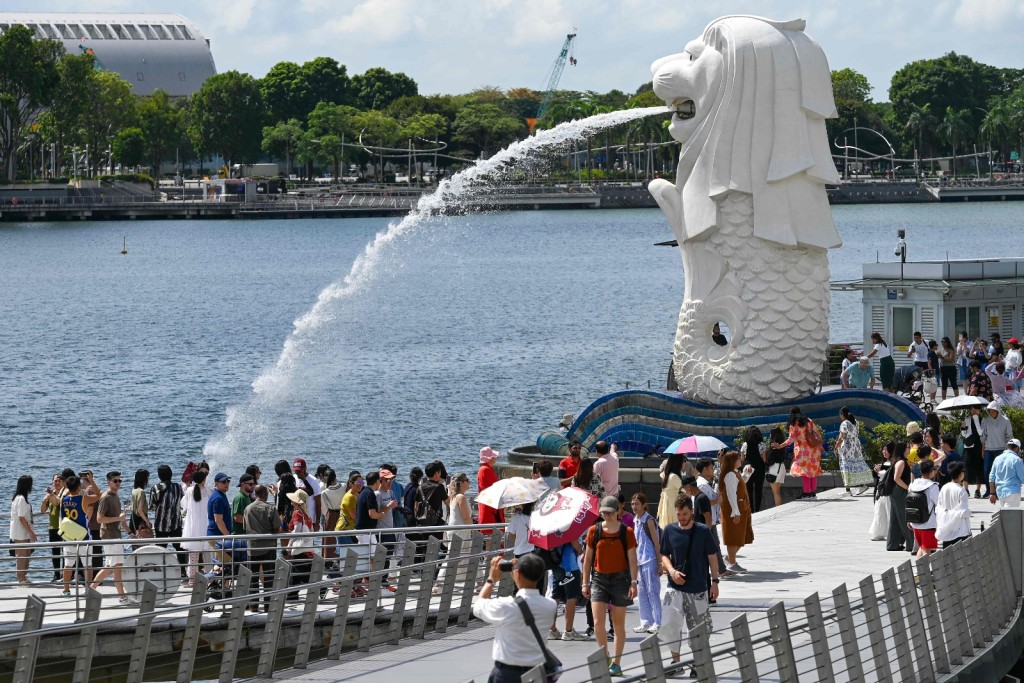
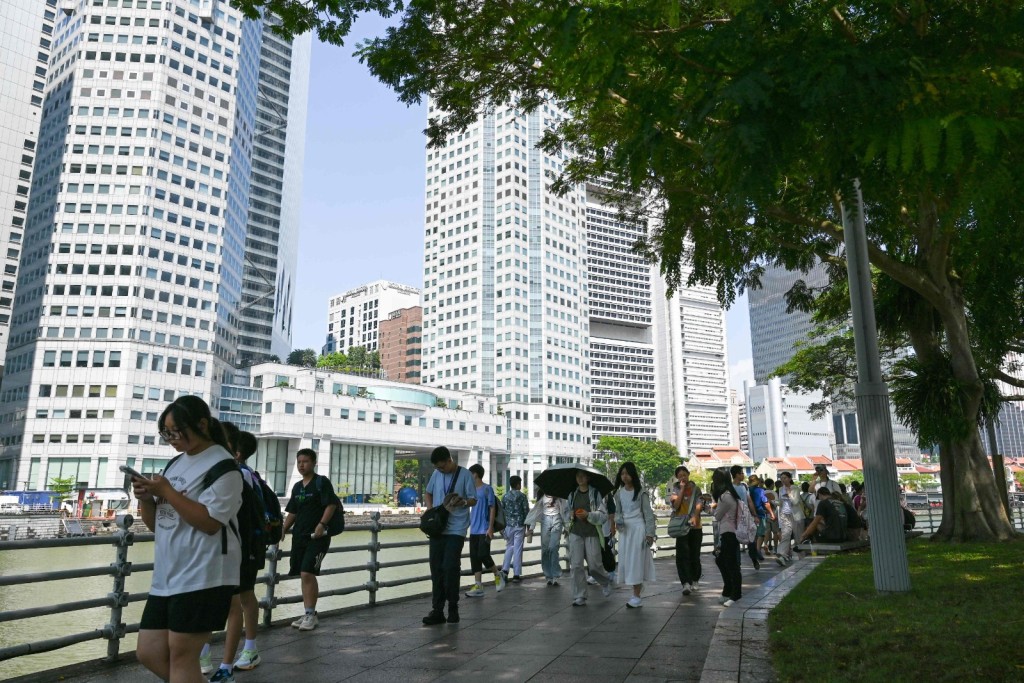
Singapore – like Hong Kong – imports nearly all its energy and has no space to produce or store it, with the city-state relying on imported natural gas for 95 percent of its electricity.
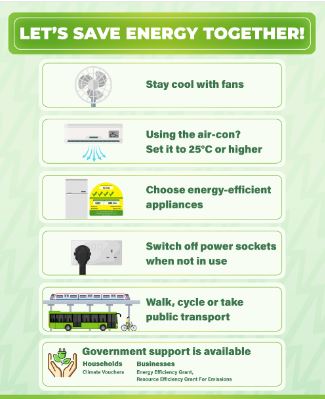
When the Middle East conflict disrupted fuel supplies, Singapore launched the "Go 25" campaign, mandating public sector air-conditioning to be set at 25 degrees Celsius or higher. Meanwhile, agencies were set to switch off non-essential equipment when idle, install LED lighting, and manage air conditioning and lift operation hours. Also, households were advised to air-dry laundry, close curtains to reduce heat indoors, run full washing loads, and take public transport.
Solar power accounts for a tiny fraction of Singapore's energy mix; even the world's largest floating solar farm produces only 60 megawatts. It also has little to no production of other renewable energies like wind power.
Singapore is studying small modular reactors with South Korea, but deployment is years away. It also plans to import low-carbon electricity for 30 percent of demand by 2035. However, regional competition and the construction of undersea cables spanning 4,300 kilometers – a project to transport solar energy from Australia to Singapore – pose major hurdles.