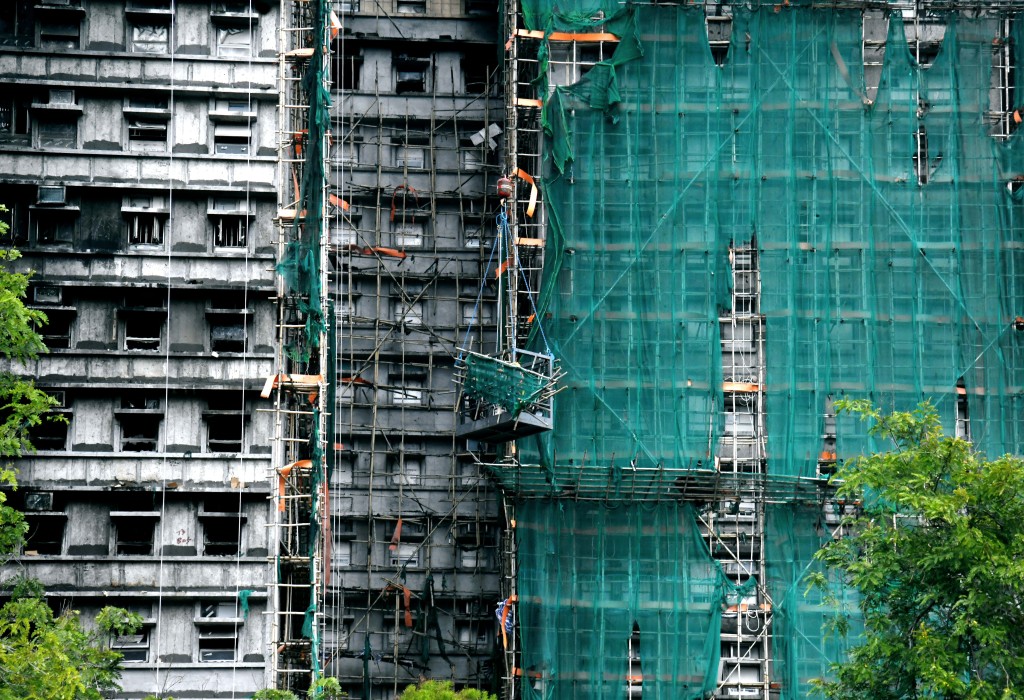
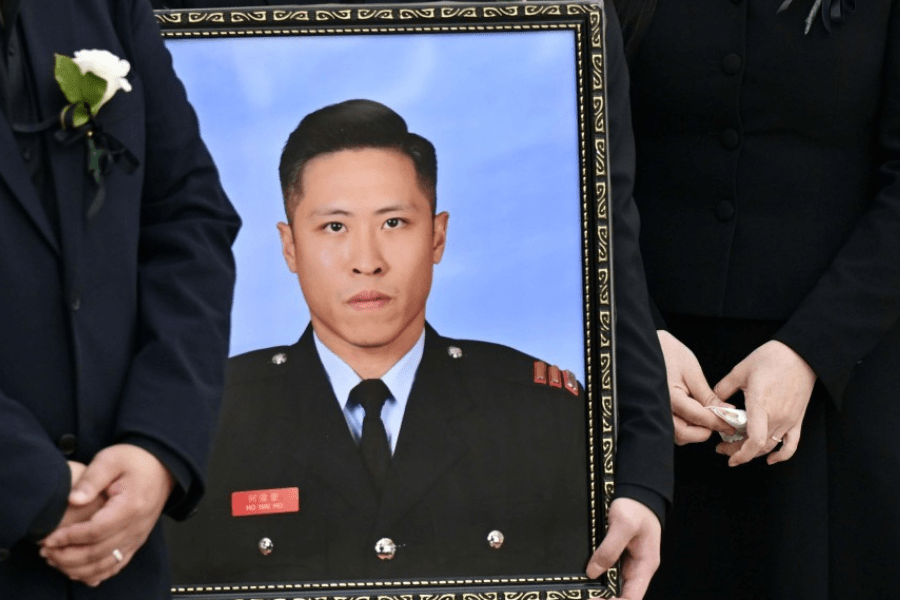
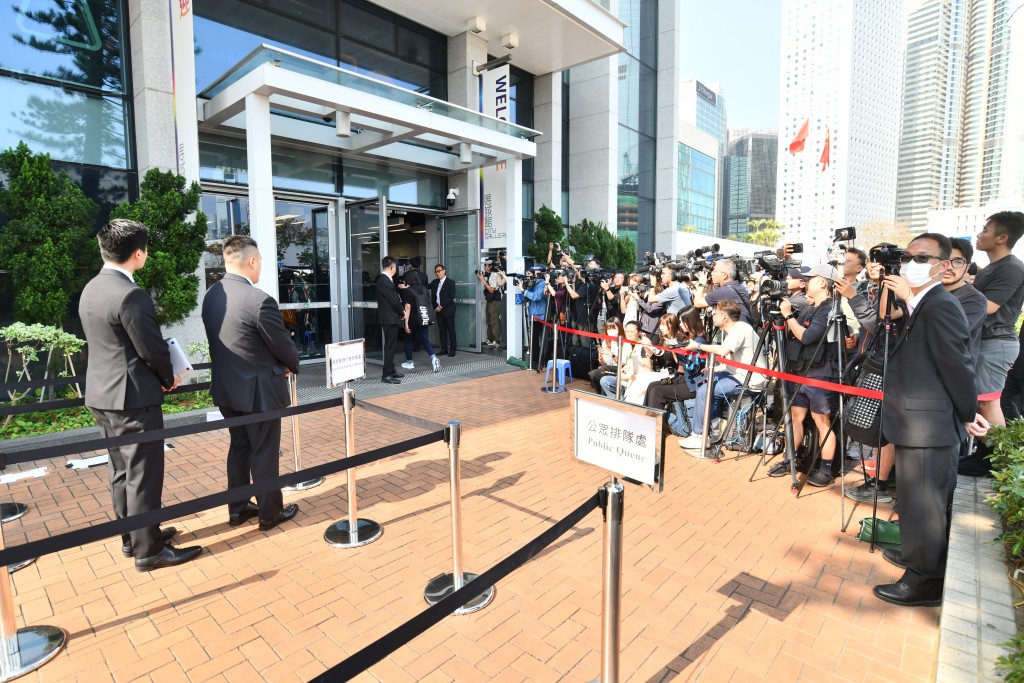
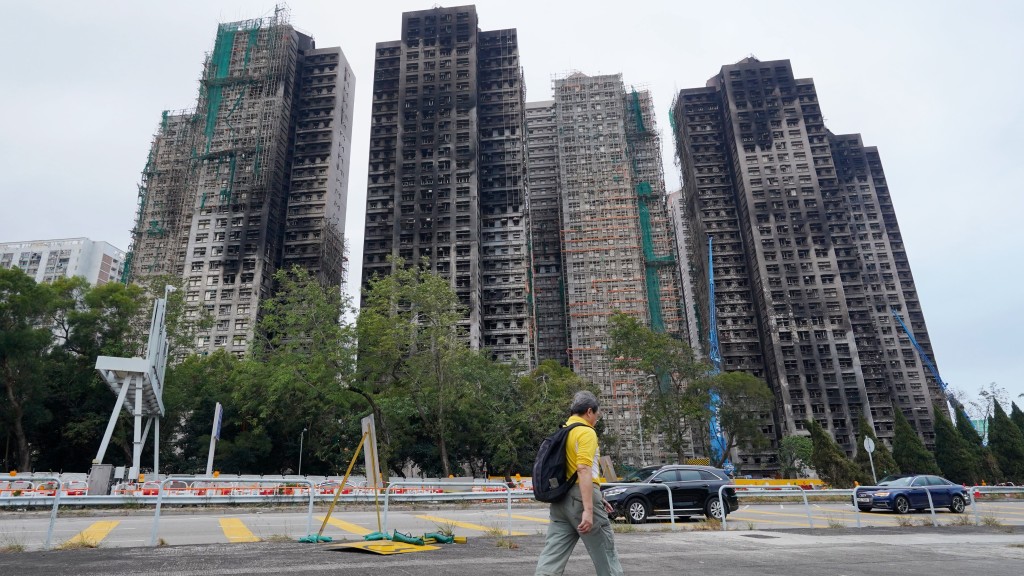
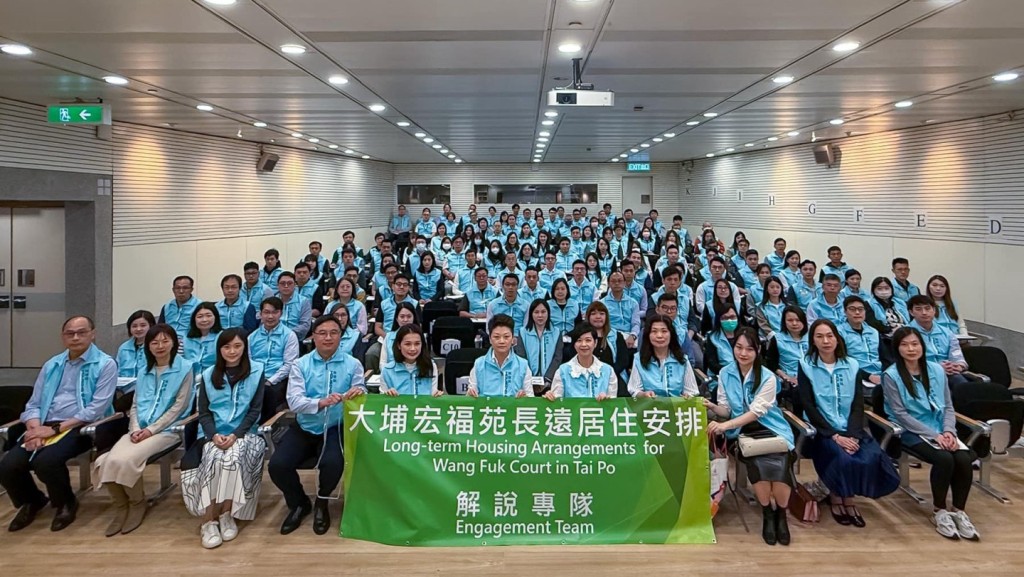
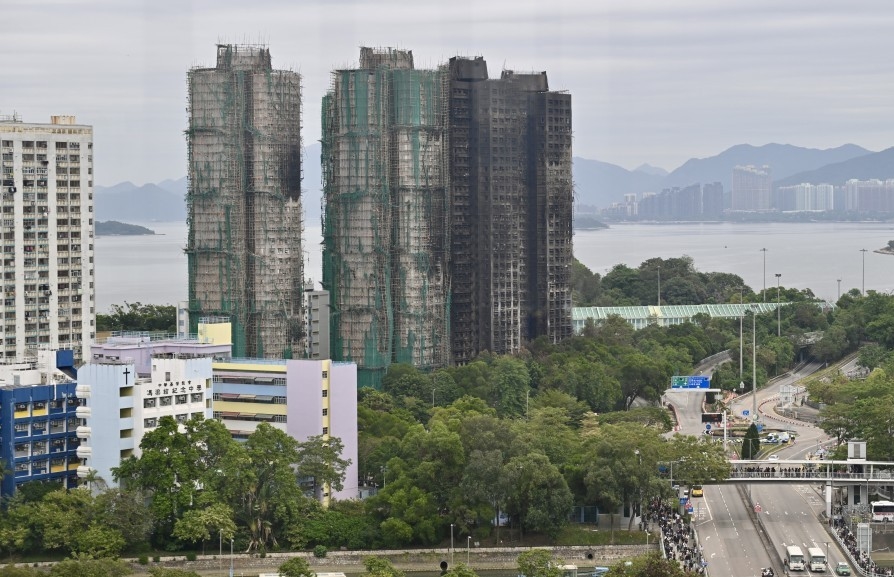
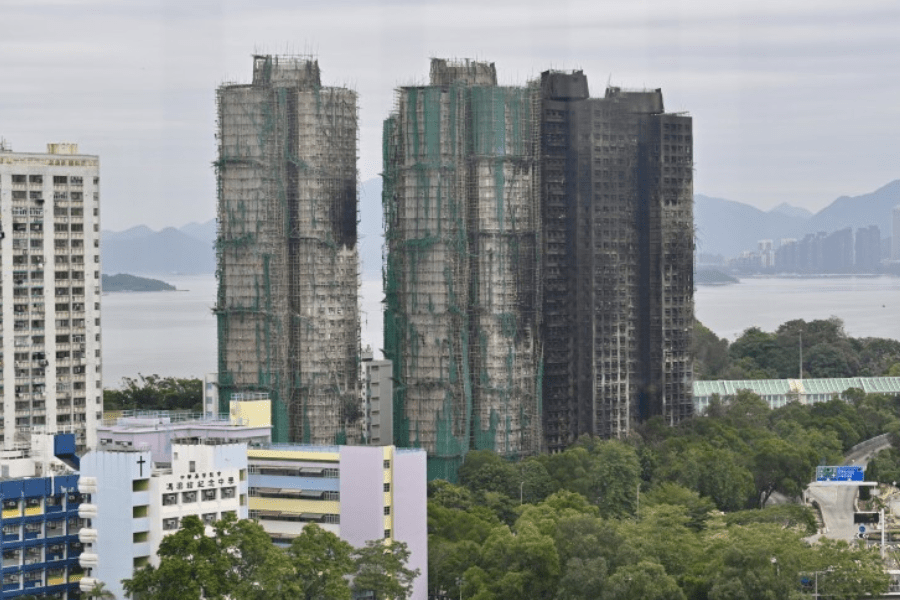
The independent committee investigating the tragic fire in Tai Po entered its third public hearing on Tuesday, which heard that the fire service installation suspension notice submitted by Wang Fuk Court to the Fire Services Department made no declaration that the fire alarm system had been deactivated.
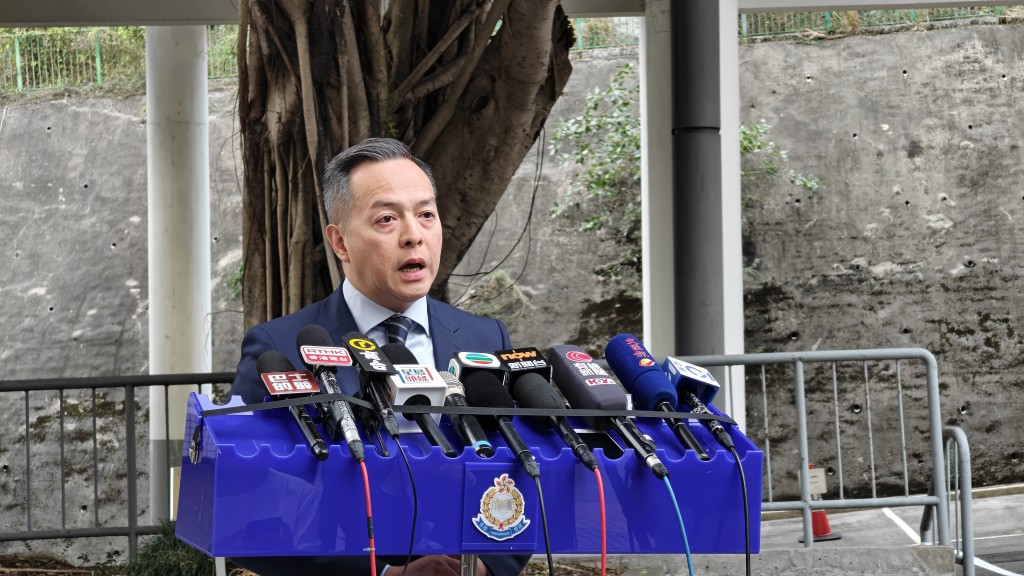
Senior counsel Jenkin Suen, who represents the government, focused on five areas during his opening statement that include the authorities’ cooperation with the committee’s probe; the Fire Services Department’s and police’s emergency response on the day of the accident; the regulatory framework for maintenance works at Wang Fuk Court; the cause of the fire and the government’s immediate measures and future reform directions.
Suen stressed that some media reports had prematurely suggested or implied liability, creating false impressions among the public, and urged people not to draw early conclusions about who was responsible for the blaze.
He said the government has never shied away from its deficiencies and acknowledges its supervisory responsibilities, adding that it will carry out systemic reforms.
Jenkin Suen
Suen revealed that the “fire alarm” column on the fire service installation suspension notice submitted by Wang Fuk Court was left blank.
He noted that after receiving the first report of the fire on November 26, FSD had deployed extra resources given that major renovation works were underway at the estate, including one major pumping appliance and one light rescue appliance in addition to standard arrangements.
When the fire was upgraded to No 5 alarm at 6.22 pm, 116 fire trucks, 55 ambulances, and 718 firefighters were dispatched — more than six times the standard 110 personnel for a No 5 alarm fire. By 10 pm, 989 firefighters had been deployed, nine times the standard manpower.
Regarding early evidence that the Housing Bureau’s Independent Checking Unit alerted contractor Prestige Construction & Engineering Co. ahead of flammability tests on scaffold nets, Suen said the officers involved were immediately portrayed by some media as having engaged in “collusion” or “tipping off” — allegations he described as completely groundless and contrary to the truth.
He clarified that the advance notice was given to ensure that a Registered Inspector would be present to assist and provide immediate responses during the inspection, adding that the notice period had already been shortened to just one day.