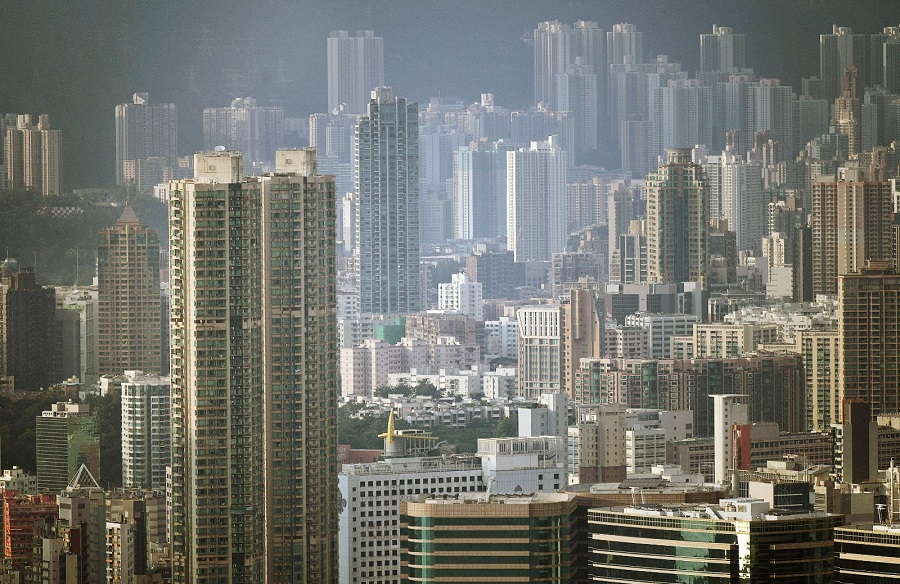
As the Housing Bureau proposes an increase in income and asset limits for public rental housing applications, lawmakers warn that the current adjustment may still fall short of what struggling families need.
Their call for relaxation came after the proposal to raise public housing income and asset limits by an average of 2.8 percent and 1.4 percent respectively for the 2026/27 fiscal year, based on local housing and non-housing expenditures, as well as the Consumer Price Index.
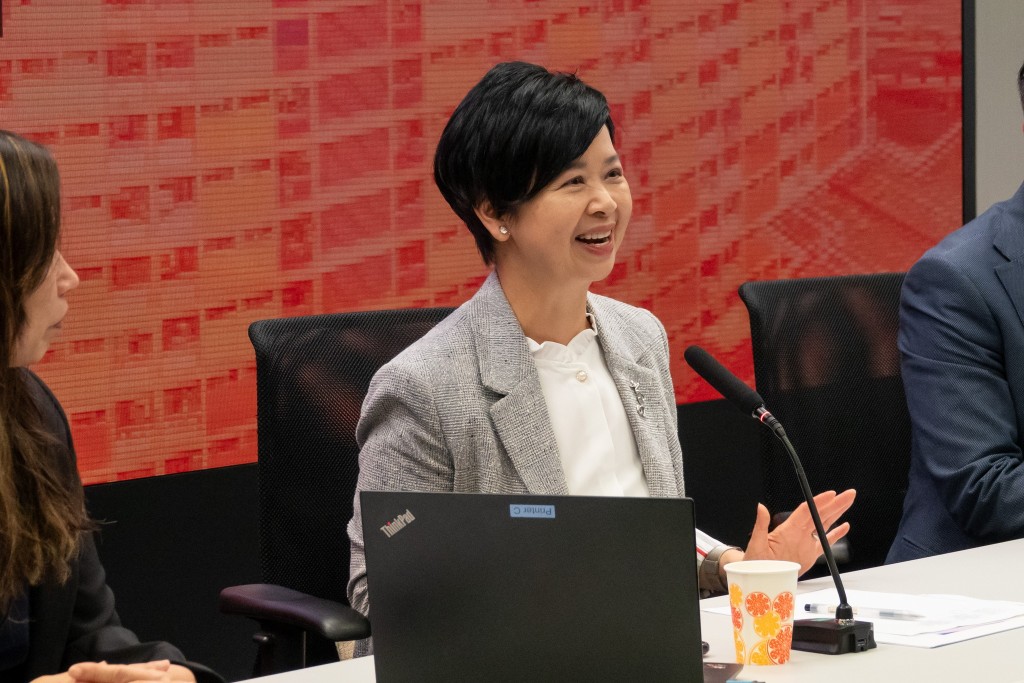
Speaking at a Legislative Council committee meeting this morning, some lawmakers suggested raising the income limits further, especially for dual-working families.
Lawmaker Elaine Chik Kit-ling pointed out that dual-working families often exceed the income limit of HK$20,680 for two-person households. She further claimed that some applicants have resorted in quitting their jobs or requesting salary reductions to qualify, suggesting a full review of the mechanism.
Echoing similar concerns, financial sector lawmaker Ronick Chan Chun-ying flagged that the proposed asset cap of HK$800,000 for two-person elderly households could be insufficient for seniors' living and savings needs.
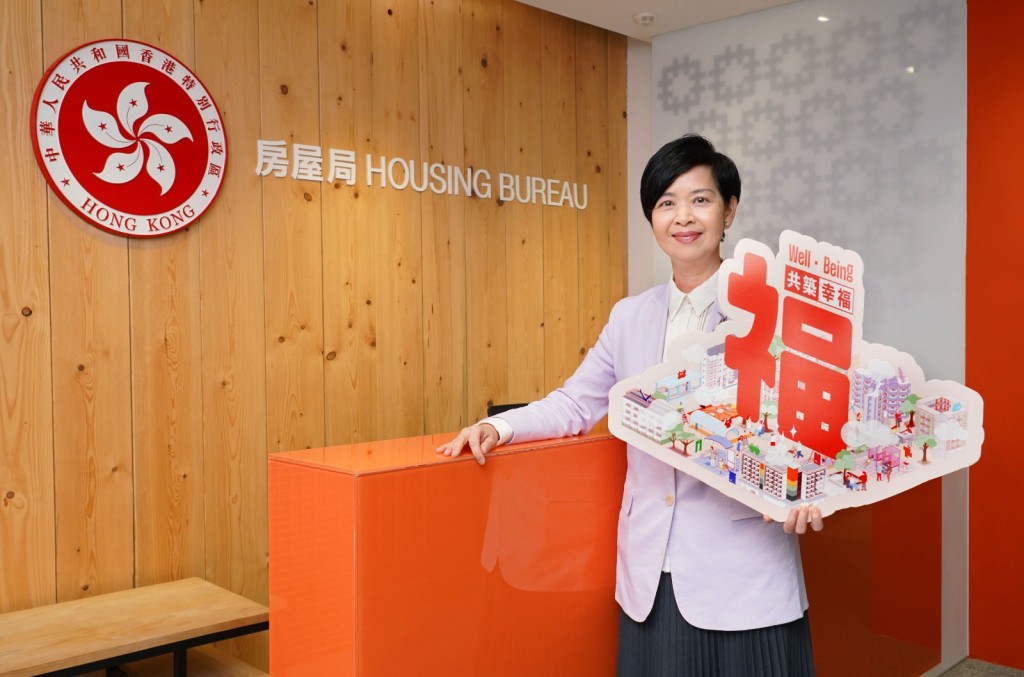
In response, Permanent Secretary for Housing Charmaine Lee Pui-sze defended the current system, describing it as "relatively relaxed." Stressing that public housing policy aims to assist families most in need, Lee indicated that there are various government initiatives for upward mobility, including Subsidised Home Ownership Schemes.
When asked about the possibility of loosening income and asset limits in line with the expected increase in public housing supply, Lee remarked that the current average waiting time of 5.1 years remains "relatively long."
Despite plans for 196,000 new housing units over the next five years, she indicated that authorities do not see an immediate "window of opportunity" to significantly raise the limits.
Lee clarified that the recent decline in public housing applications is not due to tightened eligibility, but rather the "faster clearance of the queue".