Hong Kong invested nearly 5,900 new enterprises in Shenzhen last year, according to Wang Shourui, Standing Committee Member of the Shenzhen Municipal Committee and director of the Qianhai Authority.
During the “Opportunities in the Greater Bay Area” thematic interview event on Wednesday, Wang highlighted that last year, Qianhai’s GDP reached 300.88 billion yuan, reflecting an 8.6 percent year-on-year growth and underscoring its active role in advancing the development of the Guangdong-Hong Kong-Macau GBA.
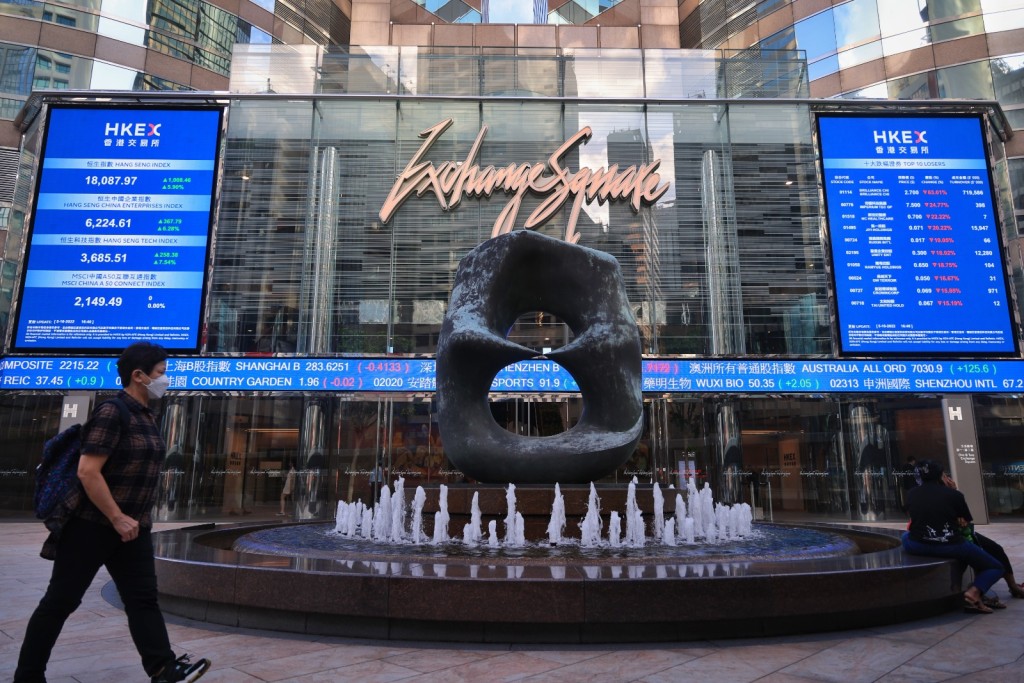
He stated that last year, five brokerage firms were chosen as part of the first batch of pilot institutions for the Cross-boundary Wealth Management Connect Scheme. Additionally, designated GBA healthcare institutions have been permitted to use 59 Hong Kong-registered drugs and medical devices to date.
The week-long event commenced in Shenzhen and will continue to Hong Kong, Macau, and Zhuhai.
Around 30 media outlets from mainland and the two SARs, along with over 100 reporters, will conduct interviews with government officials, leading enterprises, and research institutions to gain insights into GBA’s latest developments.
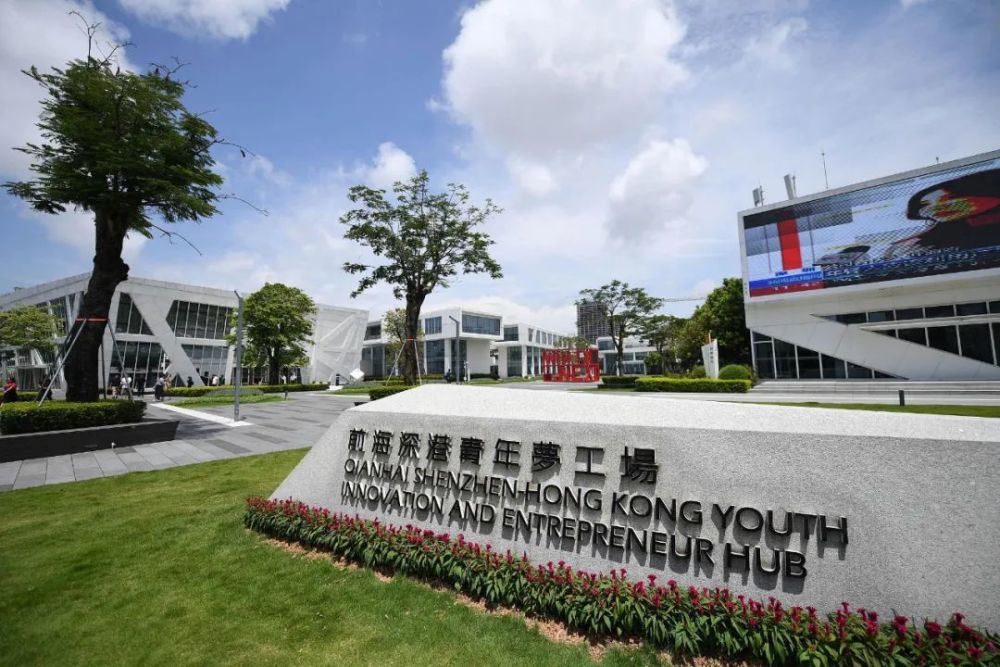
Meanwhile, Peter Mok Wai-hin, general manager of Qianhai Shenzhen-Hong Kong Youth Innovation and Entrepreneur Hub, highlighted China’s commitment to opening its market presents significant opportunities for Shenzhen and Qianhai despite ongoing trade tensions.
Mok emphasized that EHub, a startup incubator, not only serves mainland Chinese, Hong Kong, Macau and Taiwanese companies but also aims to attract foreign firms and research teams.
The company plans to launch international promotional tours later this year to recruit global talent.
One of its success stories is RiVAI Technologies, a mainland-developed server chip startup that joined EHub in 2018.
Founder Tan Zhangxi said the company chose Qianhai for its international outlook and established a Hong Kong subsidiary to recruit graduates from global universities.
Tan said the US-China tariff war actually benefits domestic chip development, as overseas chips face supply chain risks and higher costs due to tariffs.
“With a vast market, strong research and development resources in Shenzhen, and a dynamic corporate culture, there are growing opportunities for local semiconductor firms to accelerate innovation in Shenzhen,” Tan said.
Established by the Qianhai Authority, Hong Kong Federation of Youth Groups and Shenzhen Youth Federation, Qianhai EHub has incubated 1,450 startups as of March, including 943 from Hong Kong.
Mainland robot manufacturer UBTECH Robotics' chief brand officer, Tan Min, said tariff impacts remain unclear but noted surging non-US orders at the Canton Fair, prompting broader global trade plans.
Tan noted that over 90 percent of the company’s humanoid robots use domestic full supply chain, with in-house R&D and reducing disruptions.
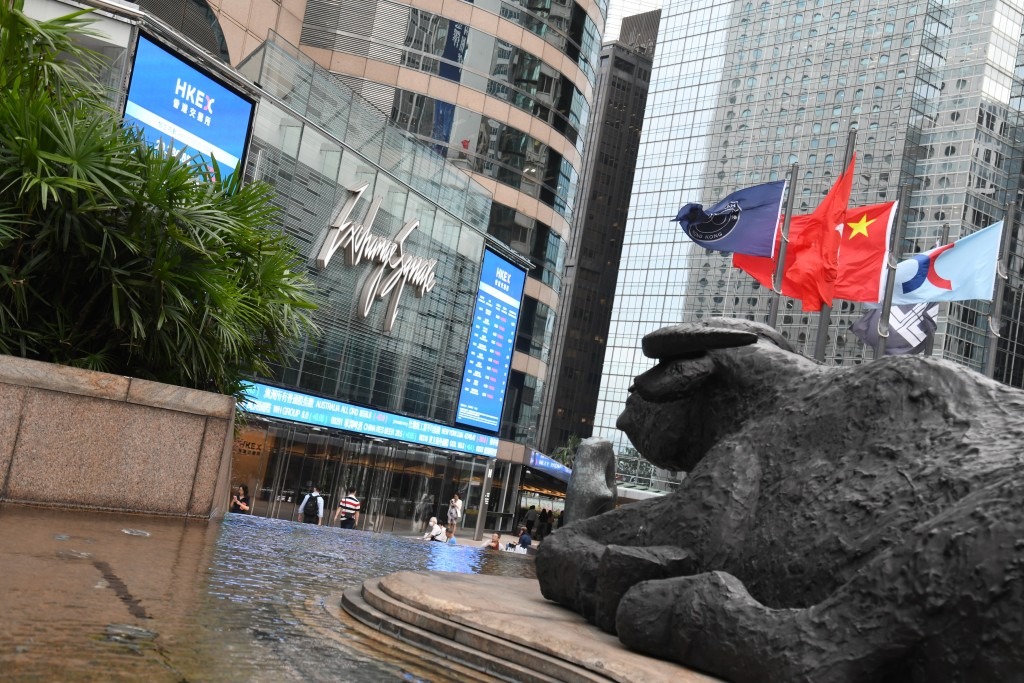
Listed in Hong Kong in 2023, UBTECH established its Asia-Pacific headquarters and research hub in the city.
Tan expressed confidence in Hong Kong's global connectivity and the GBA’s manufacturing strength to serve international markets.
Cheng Wong and Ayra Wang