
Read More
Chinese authorities are considering tightening export controls on AI and semiconductor technologies, the Financial Times reported on Tuesday.
ADVERTISEMENT
SCROLL TO CONTINUE WITH CONTENT
The step reflects Beijing's push to keep domestic AI at home and show that China, like the US, now sees advanced AI as a critical national asset requiring controls.
Earlier this month, Reuters had exclusively reported that Chinese authorities had earlier held meetings with top tech firms about potentially restricting overseas access to China's most advanced AI models, including those yet to be released.
Regulators led by China's Ministry of Commerce have been consulting top homegrown AI and chipmaking companies on how to stop China’s advanced technologies and leading start-ups from being acquired by the West, the report said, citing two people involved in the discussions.
The Commerce Ministry, which oversees export regulations, has also spoken with AI companies including Alibaba (9988), ByteDance and Zhipu (2513) on limiting the transfer of key data for the training of their models overseas, as well as allowing their model weights to be downloaded by foreign users, the newspaper said.
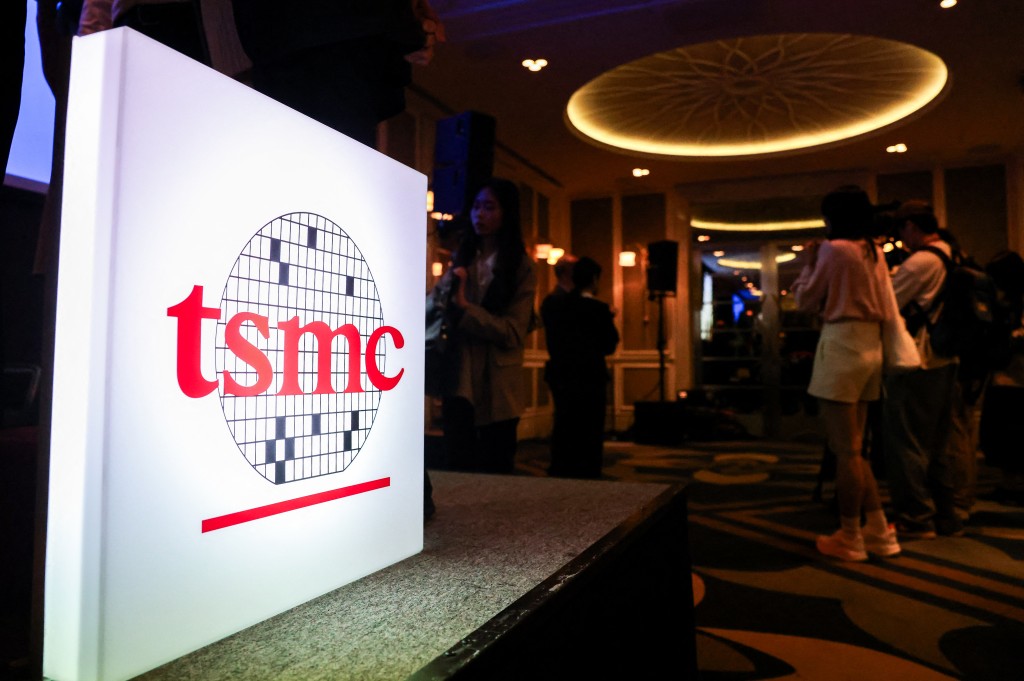
It has also sought views on possible restrictions that would prevent overseas chipmakers including Qualcomm and TSMC from producing advanced semiconductors based on designs developed by Chinese companies such as Huawei, Alibaba and ByteDance, the FT reported.
The new measures could be included into the next revision of China’s catalogue of technologies prohibited or restricted from export, the report said, adding that these proposals are under consideration and regulators are weighing industry feedback before making a final call.
Potential restrictions could also be imposed on the overseas acquisition of strategic technology in areas such as agentic AI, the FT said.
Reuters could not immediately verify the report. The Commerce Ministry, ByteDance, Alibaba, Zhipu, Huawei, Qualcomm and TSMC did not immediately respond to a Reuters request for comment.
Reuters