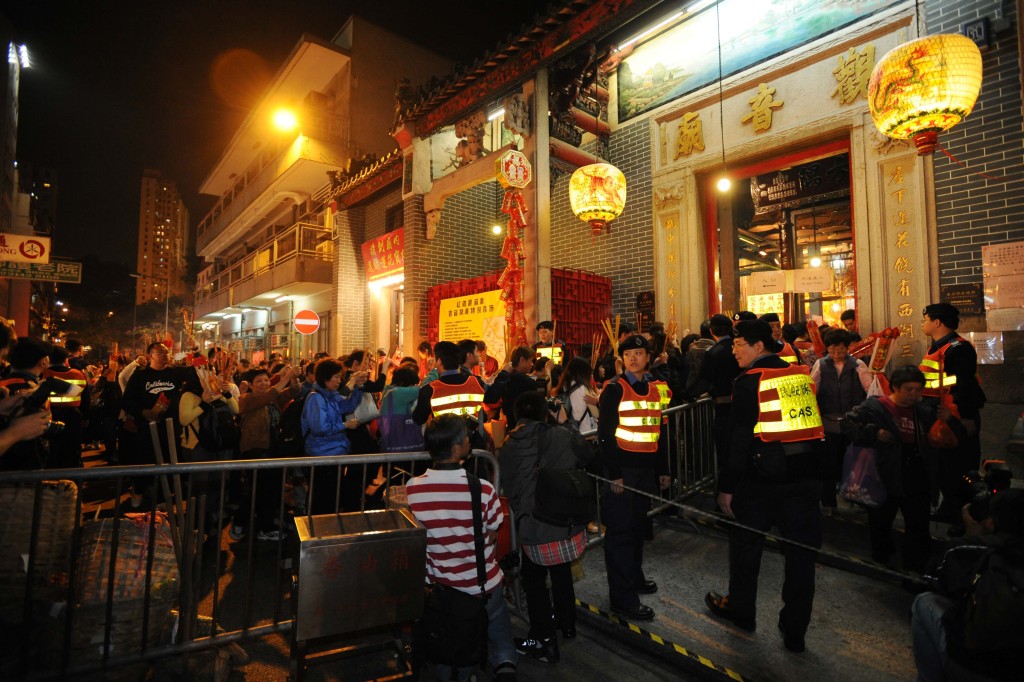
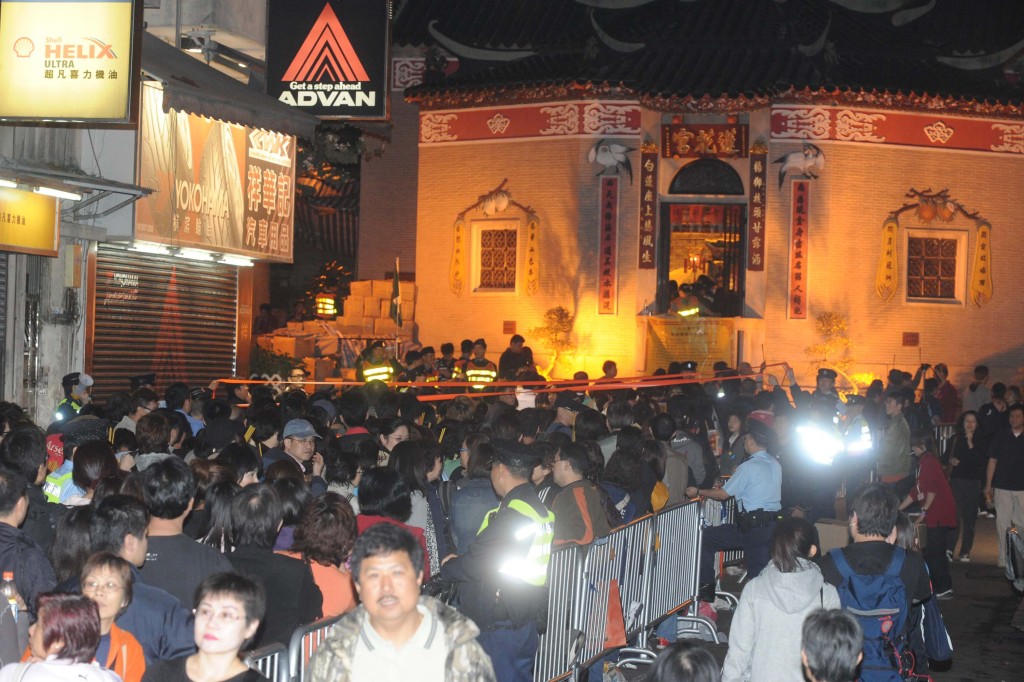
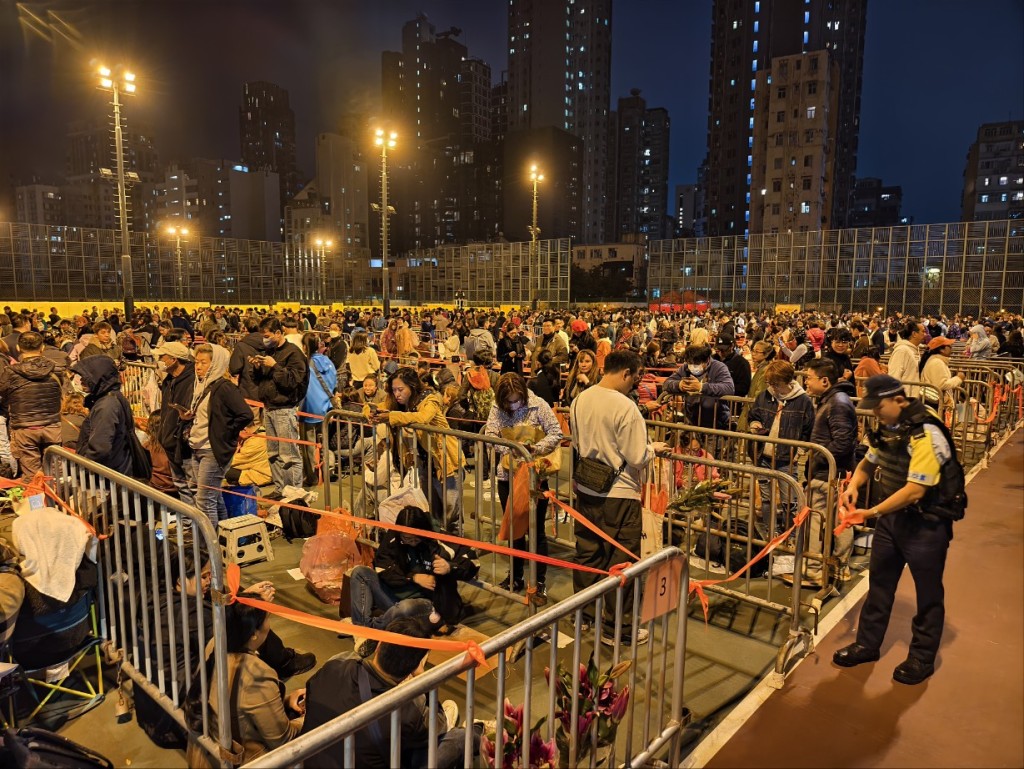
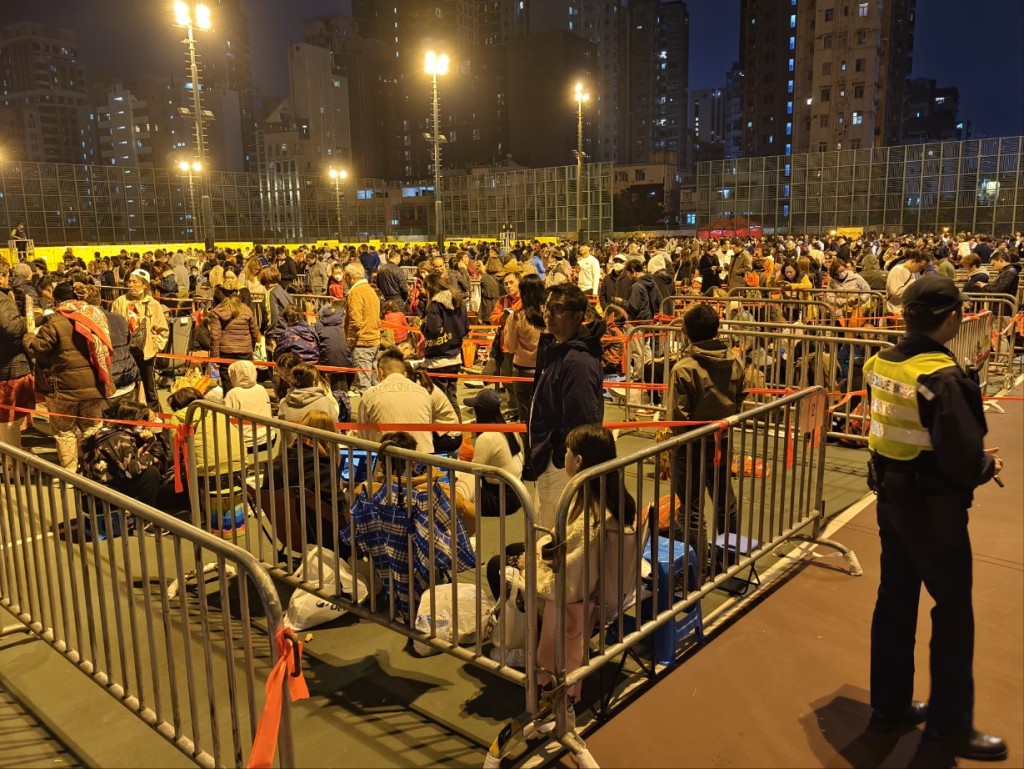
In just a few days, we will send off the Year of the Snake and welcome the Year of the Horse.
From worshippers gathering at Wong Tai Sin Temple on New Year’s Eve to offer the first incense to visitors spinning fan-bladed wheels of fortune at Che Kung Temple on the third day of the Lunar New Year, Hong Kong is home to a wealth of cherished Chinese New Year traditions.
In this feature, we explore the origins and symbolic meanings behind these beloved festive traditions.
ADVERTISEMENT
SCROLL TO CONTINUE WITH CONTENT
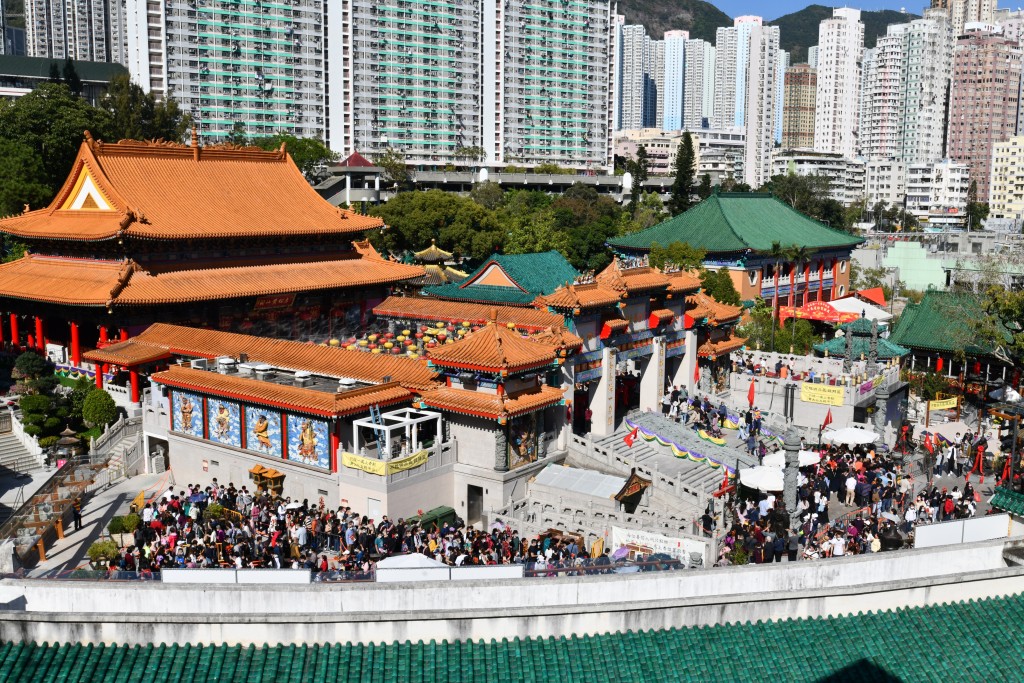
Wong Tai Sim Temple — First incense tradition with over 100 years of history
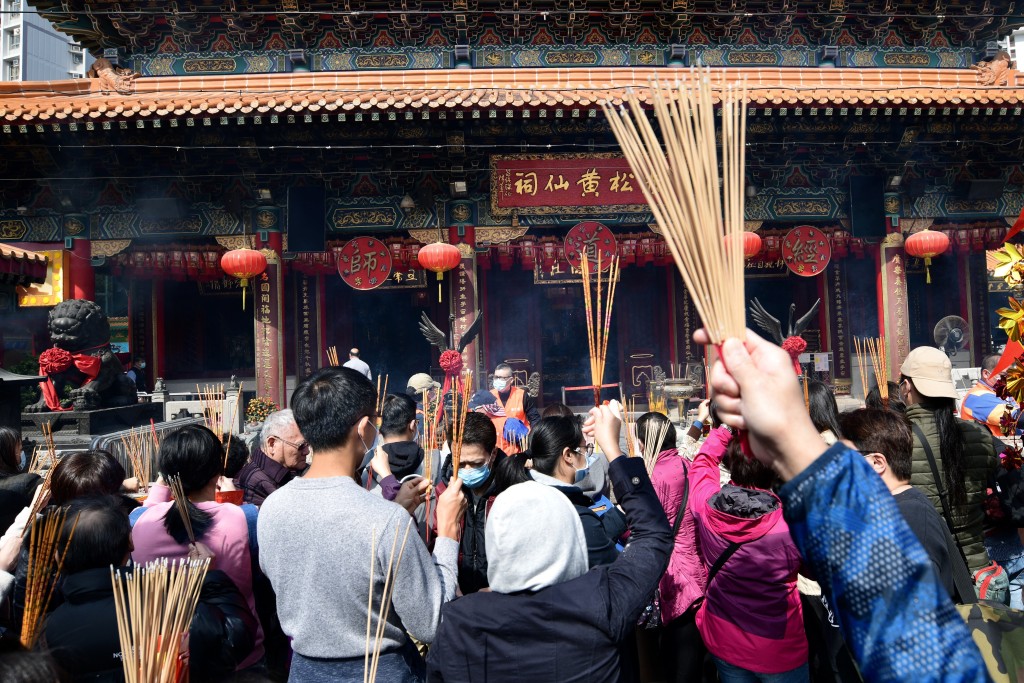
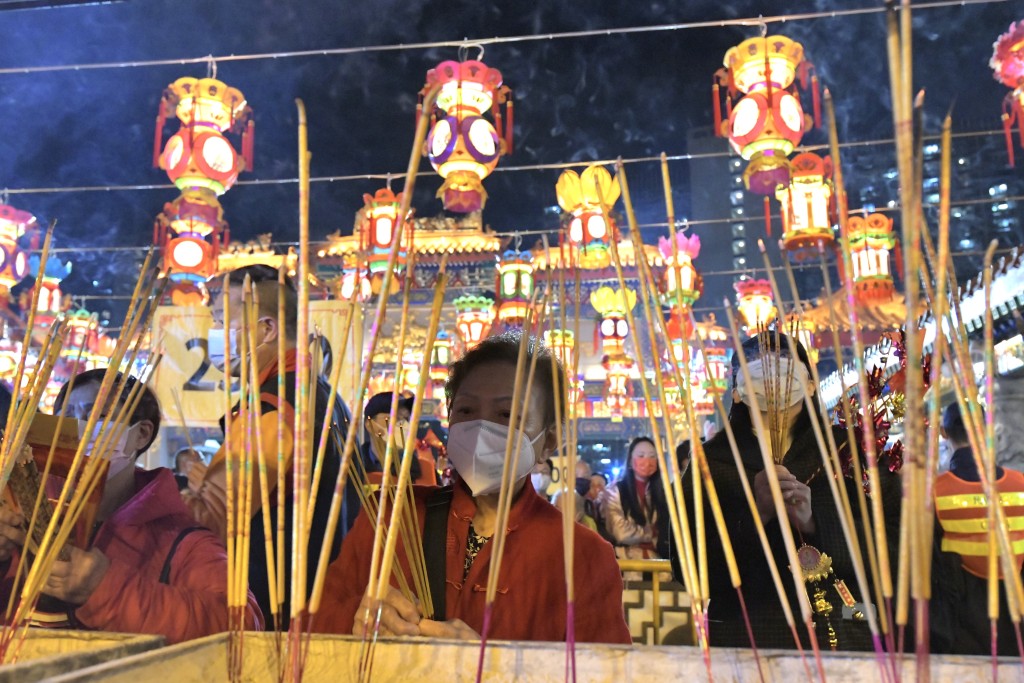
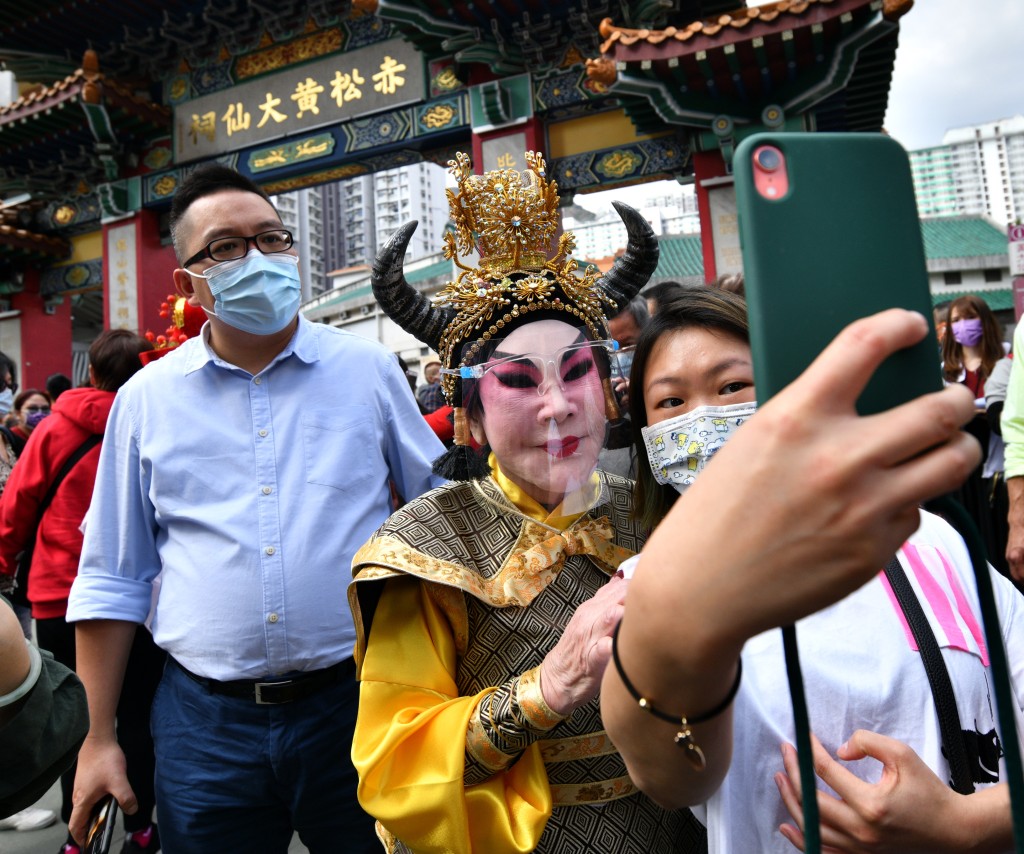
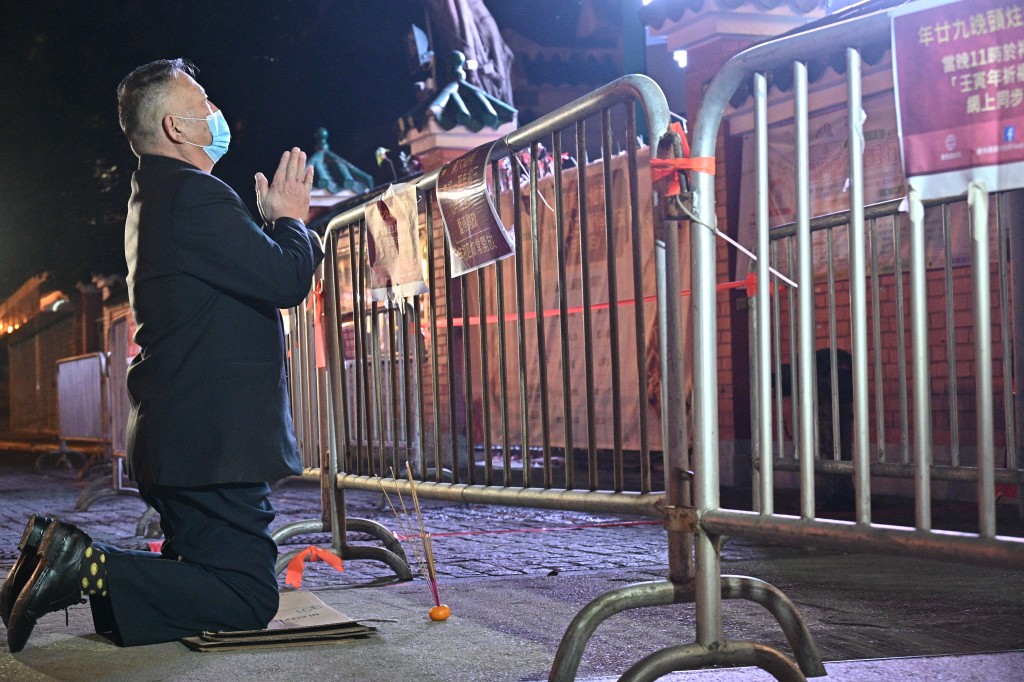
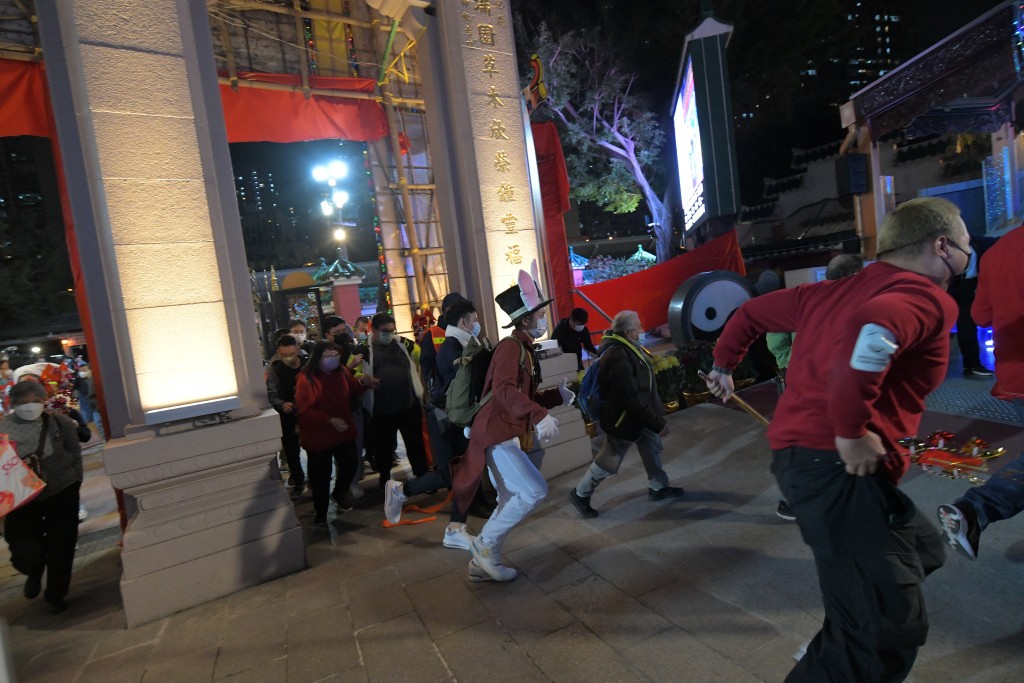
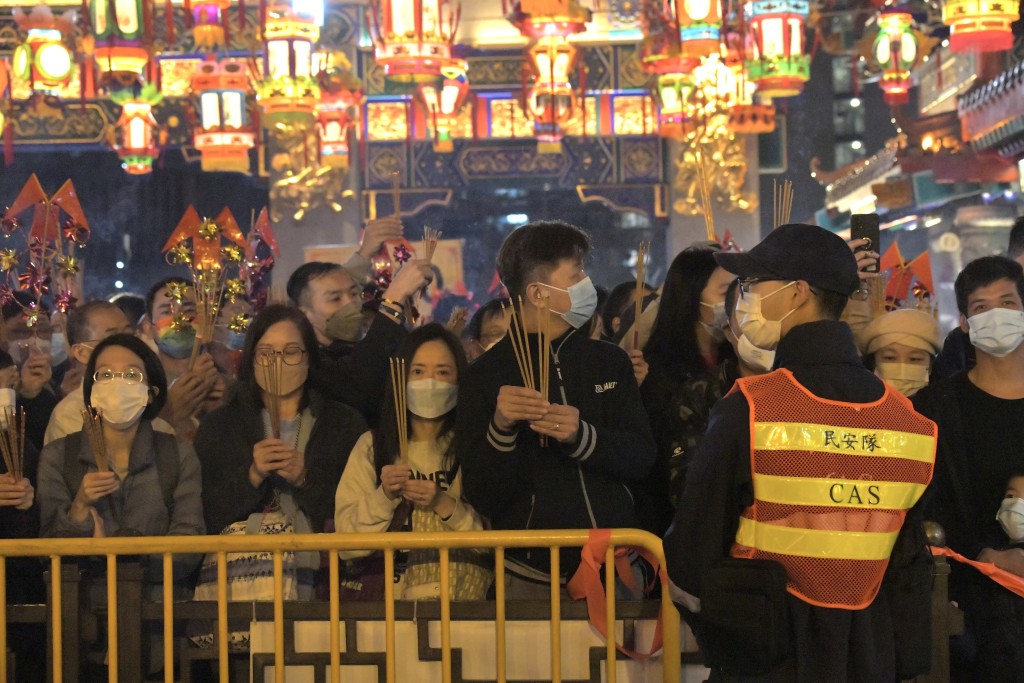
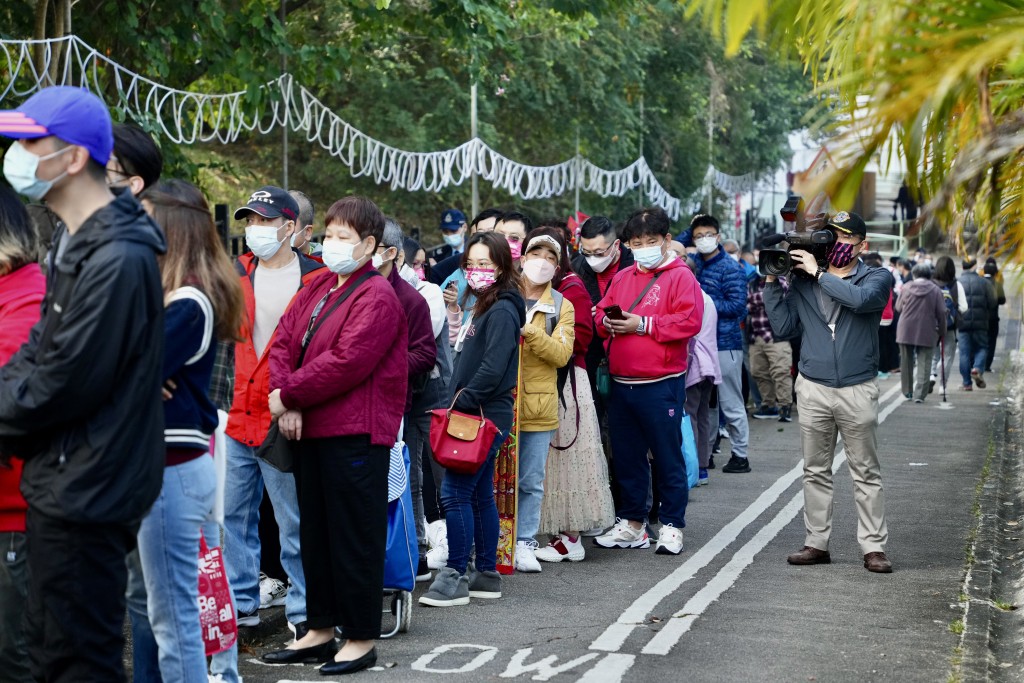
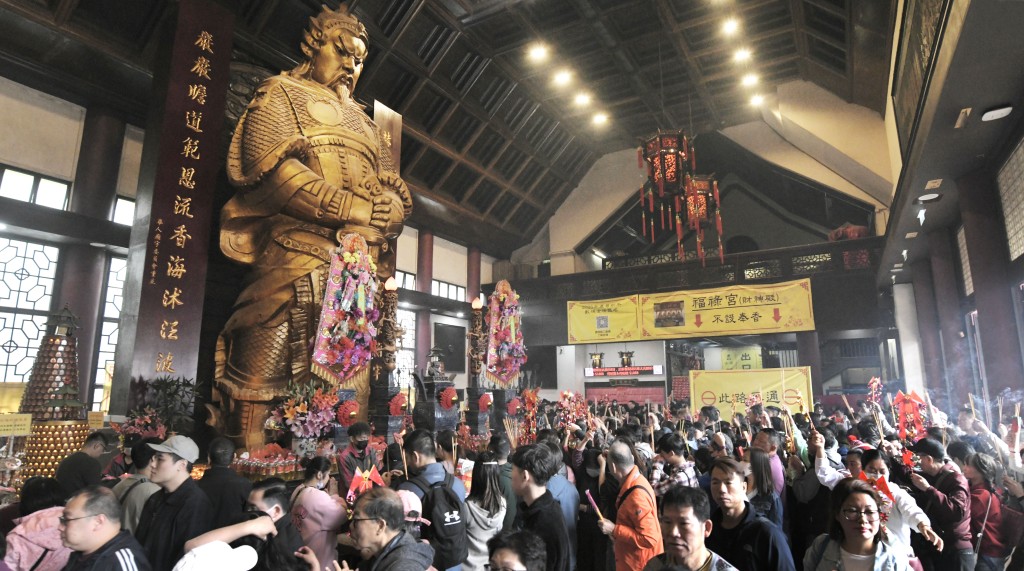
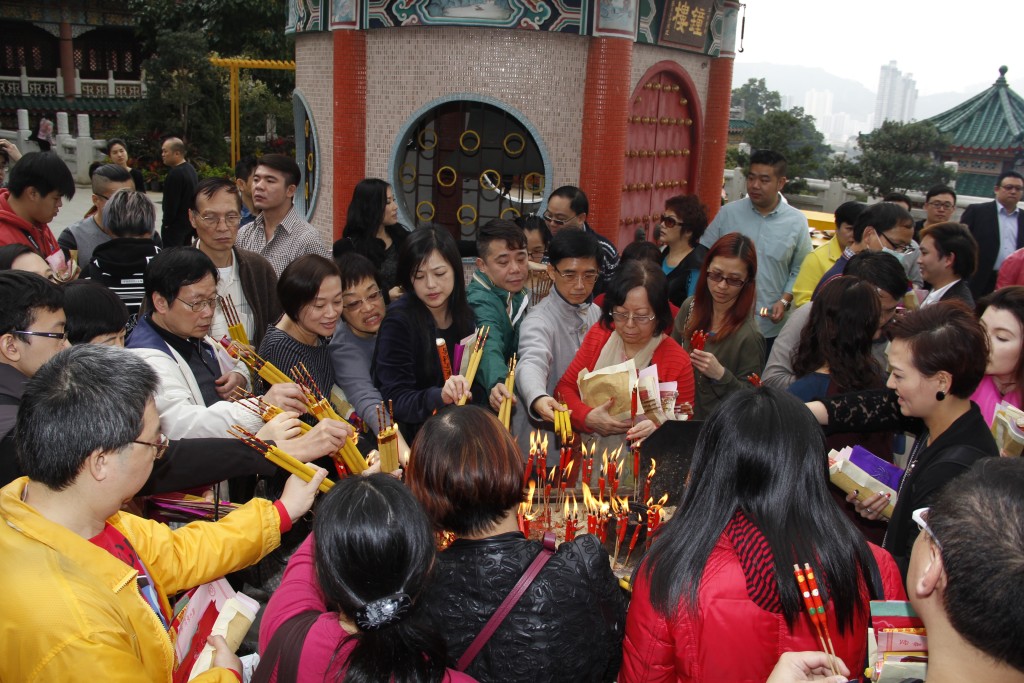
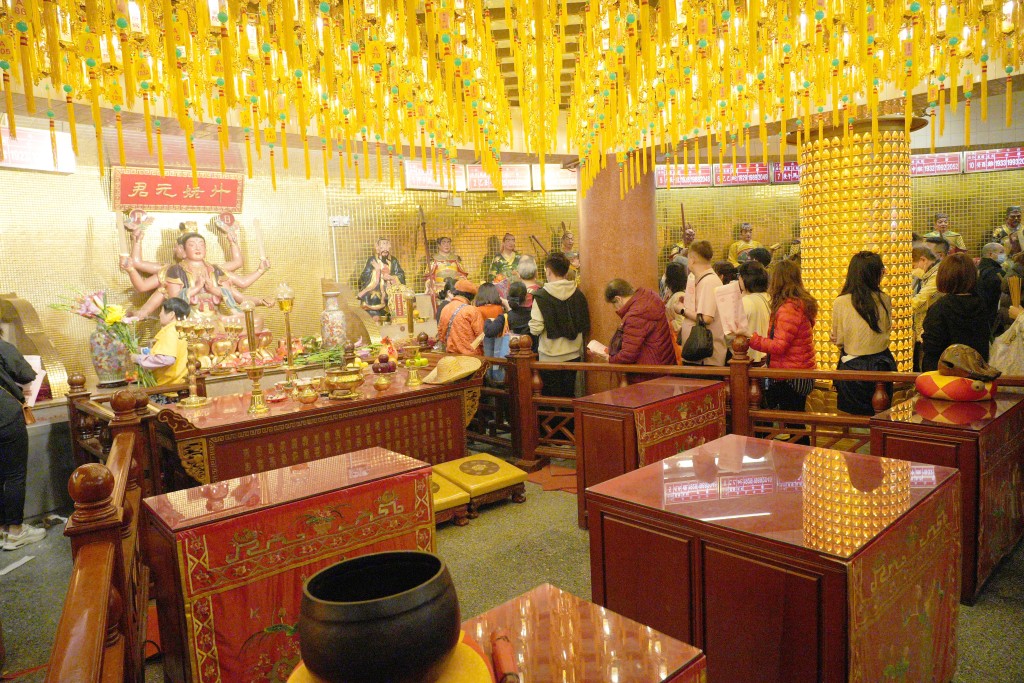
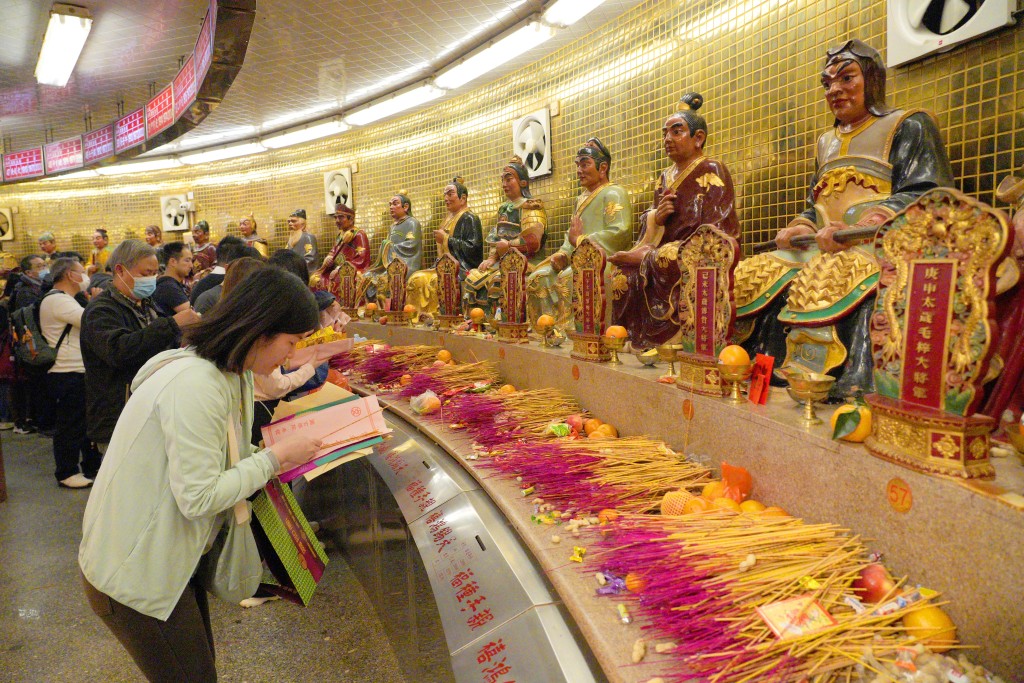
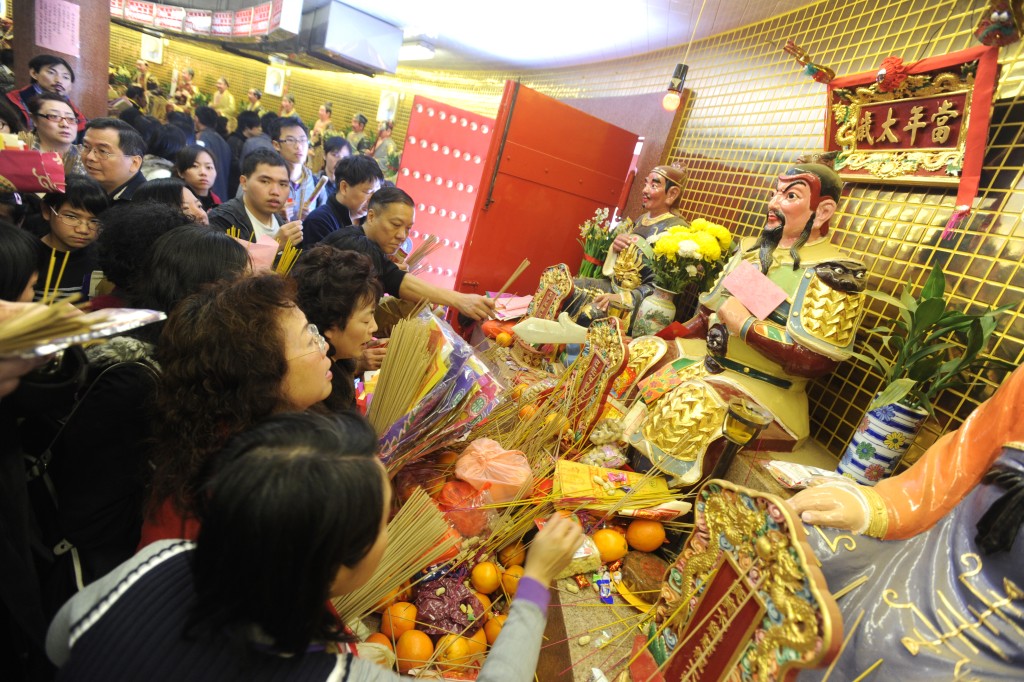
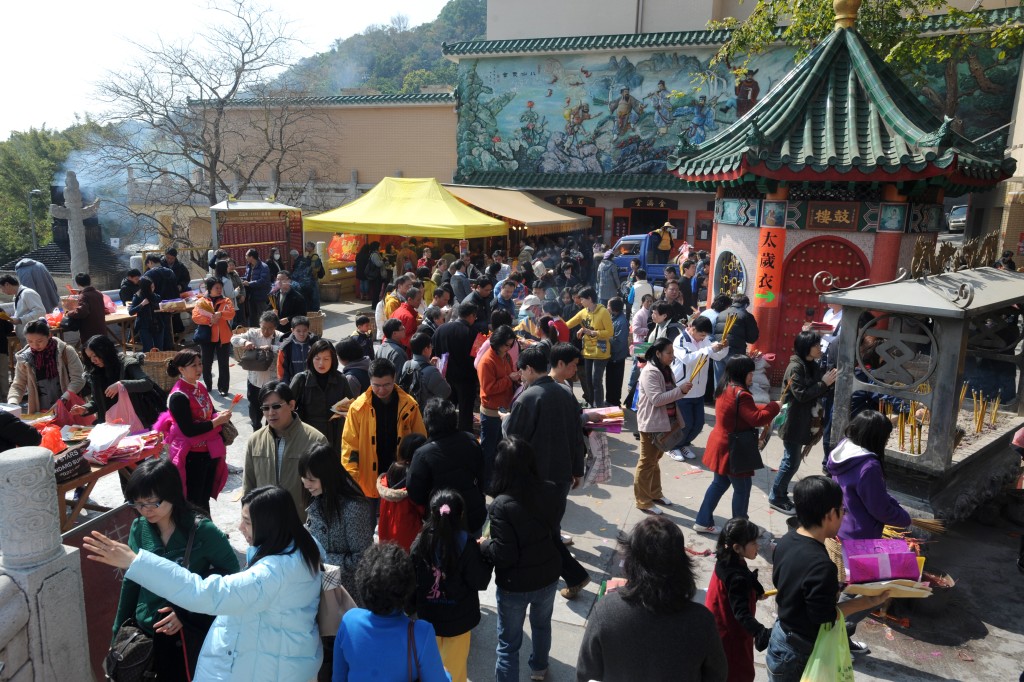
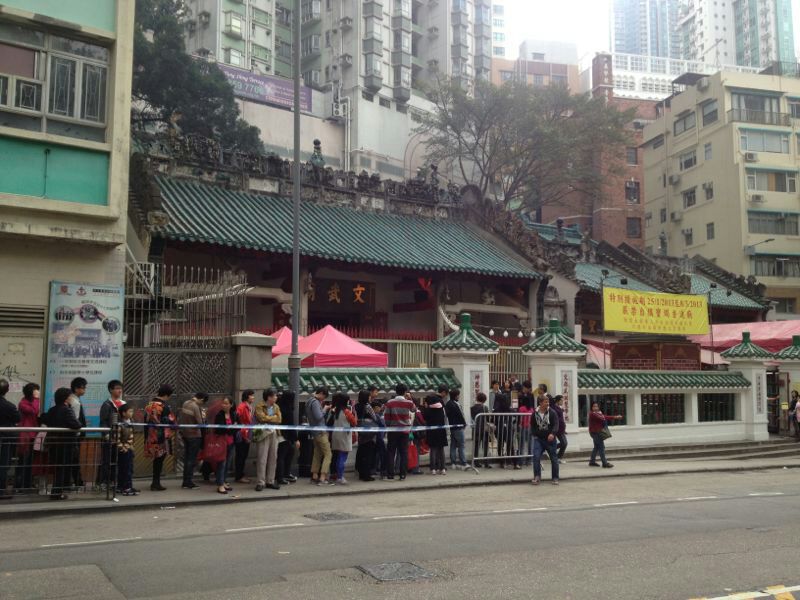
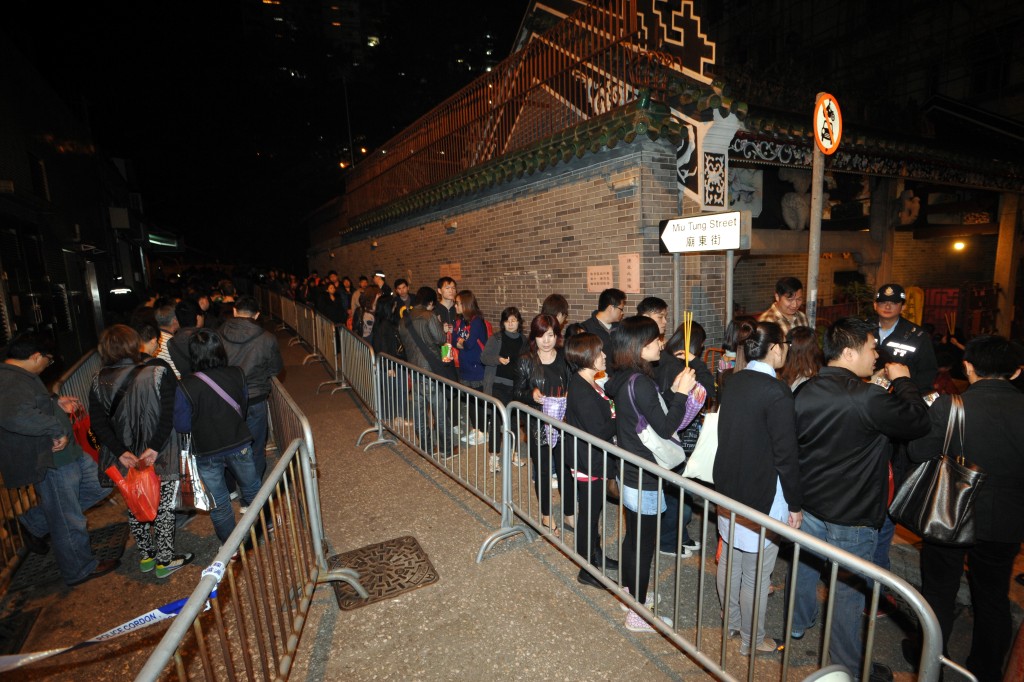
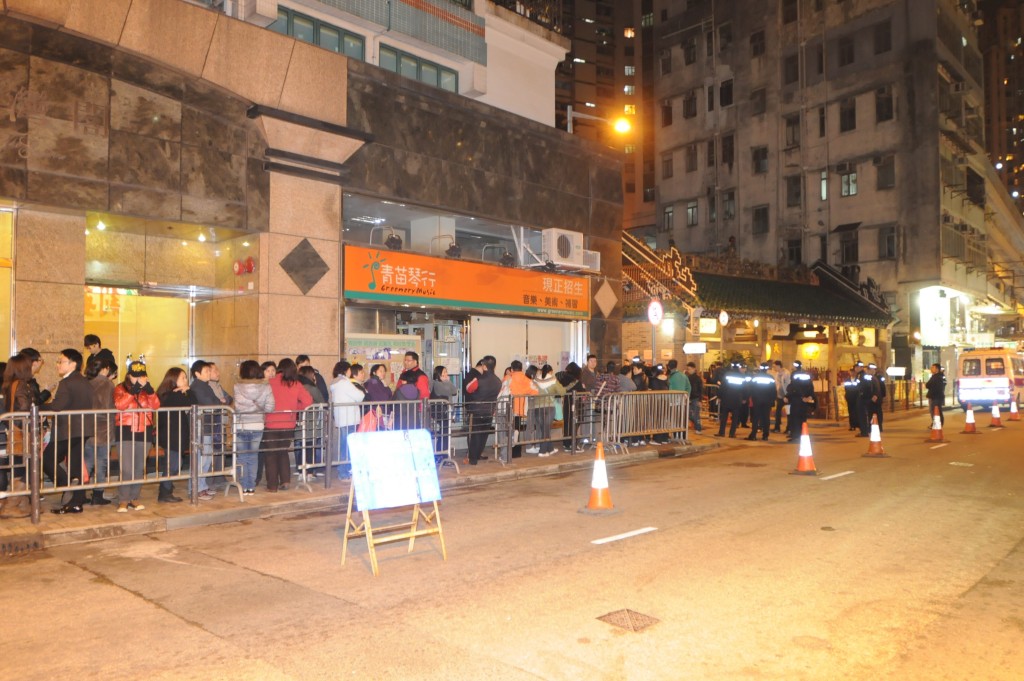
Every New Year’s Eve, crowds of worshippers queue outside Wong Tai Sin Temple from the afternoon, hoping to offer the first incense at midnight on the Lunar New Year Day. One prominent figure is artist Lana Wong Wai-lin, who dresses up in the year’s Chinese zodiac, becoming a focal point for photographers.
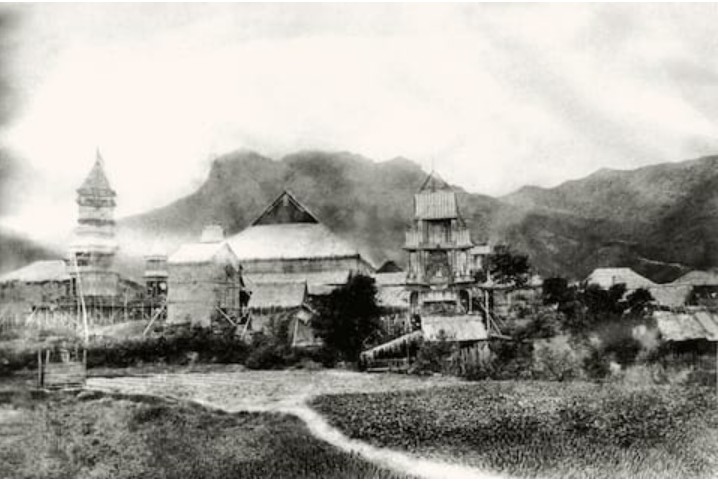
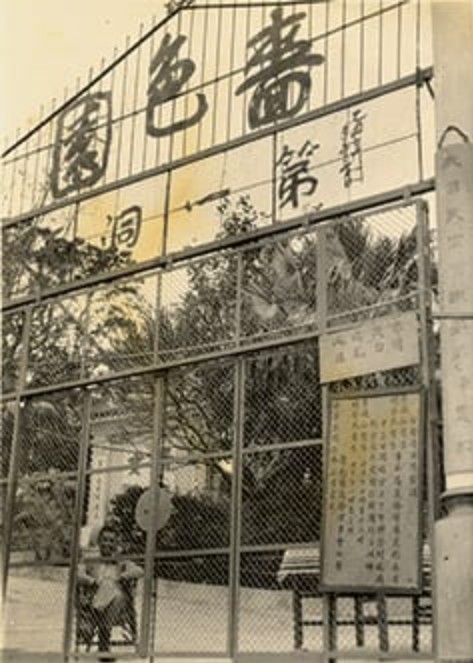
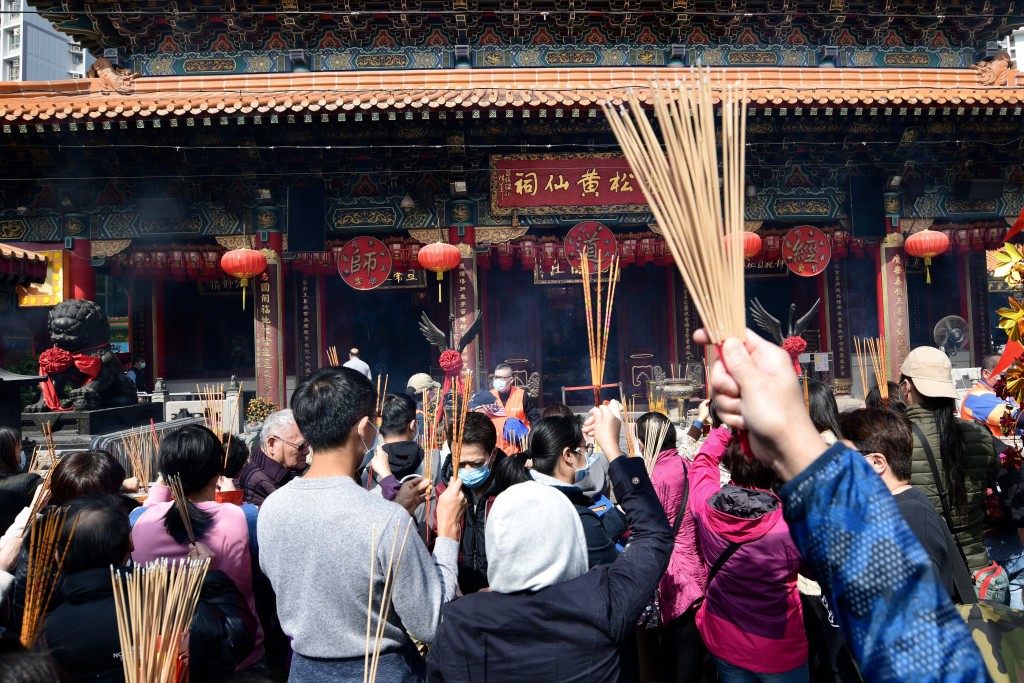
Officially known as Sik Sik Yuen Wong Tai Sin Temple, it mainly honors Wong Cho-ping, a renowned Taoist hermit from the Eastern Jin dynasty. It also features deities from Confucianism and Buddhism such as Confucius and Kwun Yum, highlighting the temple’s unique blend of the three philosophies. In 1921, Sik Sik Yuen selected a site in Chuk Yuen Village at the foot of Lion Rock to build Cisong Seen Koon, later renamed Wong Tai Sin Temple in 1925. Believed to grant all wishes, the temple’s fortune and medical sticks are highly regarded, attracting countless worshippers.
According to Sik Sik Yuen, the tradition of offering the first incense dates back to the 1920s. Due to the Chinese Temples Ordinance, Wong Tai Sin Temple was temporarily closed to worshippers, but many continued to pray outside. After persistent efforts, it reopened for the Lunar New Year and officially became permanent in the first month of 1956, establishing the cherished custom of offering the first incense.
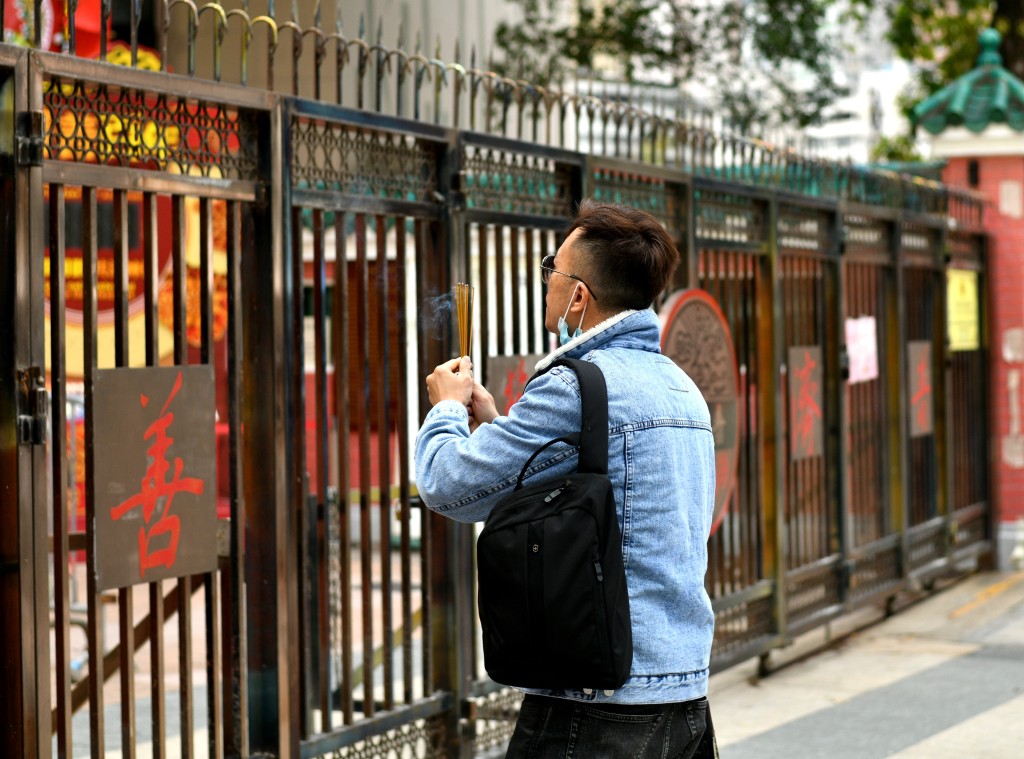
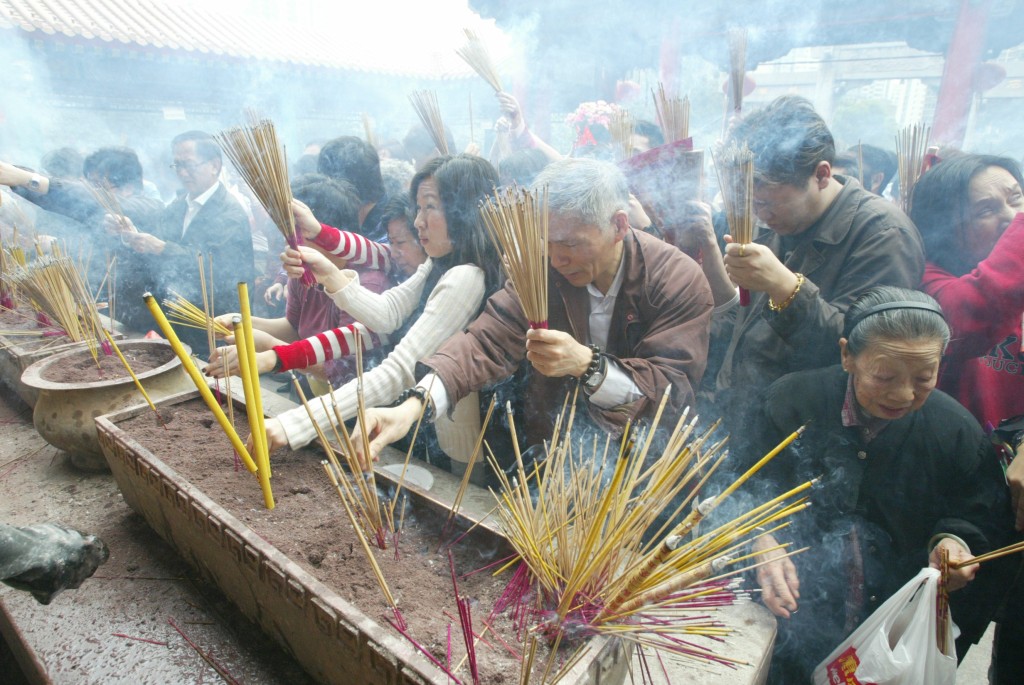
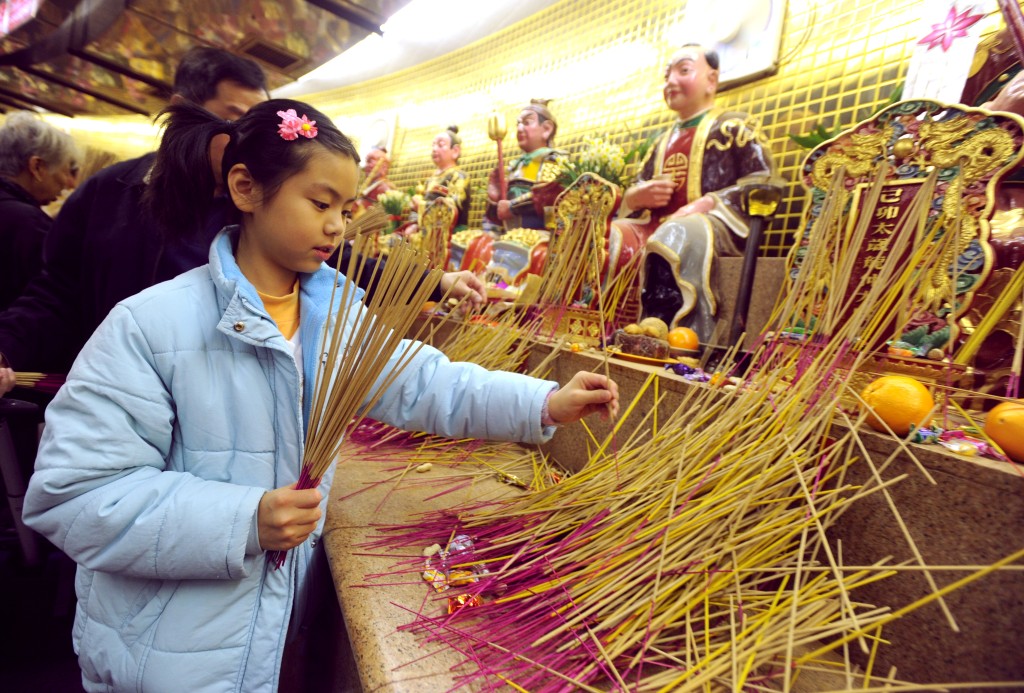
The first incense is the initial offering to the gods in the new year, believed to carry the greatest merit and symbolize a head start for luck, peace, and fortune. However, some say that it is not mandatory to light it at midnight on New Year’s Eve; any first visit to the temple during the Lunar New Year is considered valid.
+6
Che Kung Temple – Pray for good fortune on the third day of the Lunar New Year
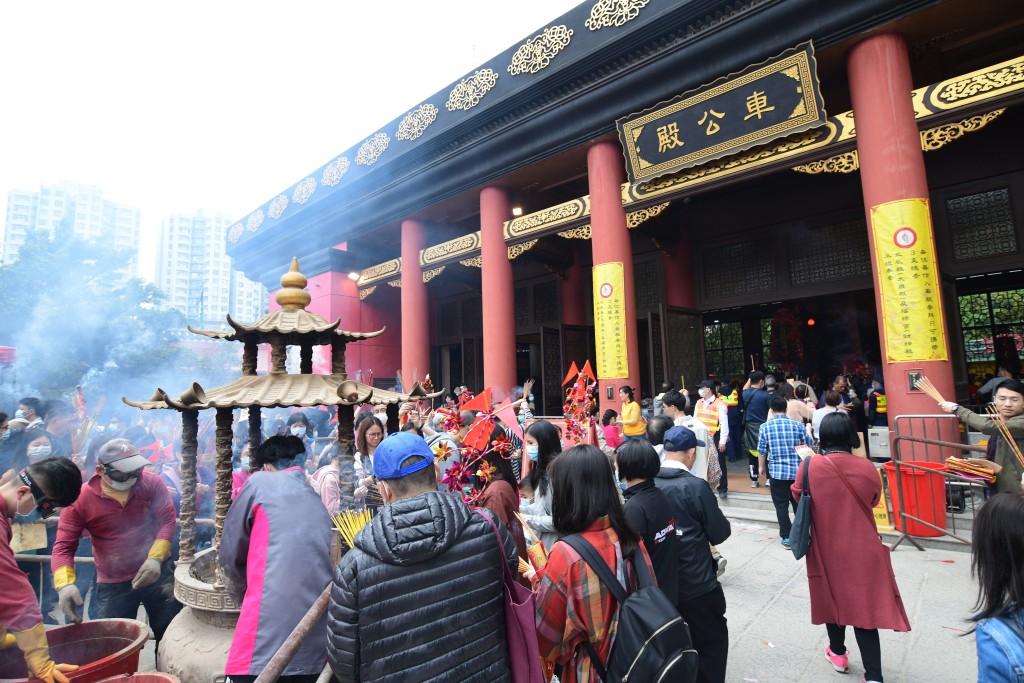
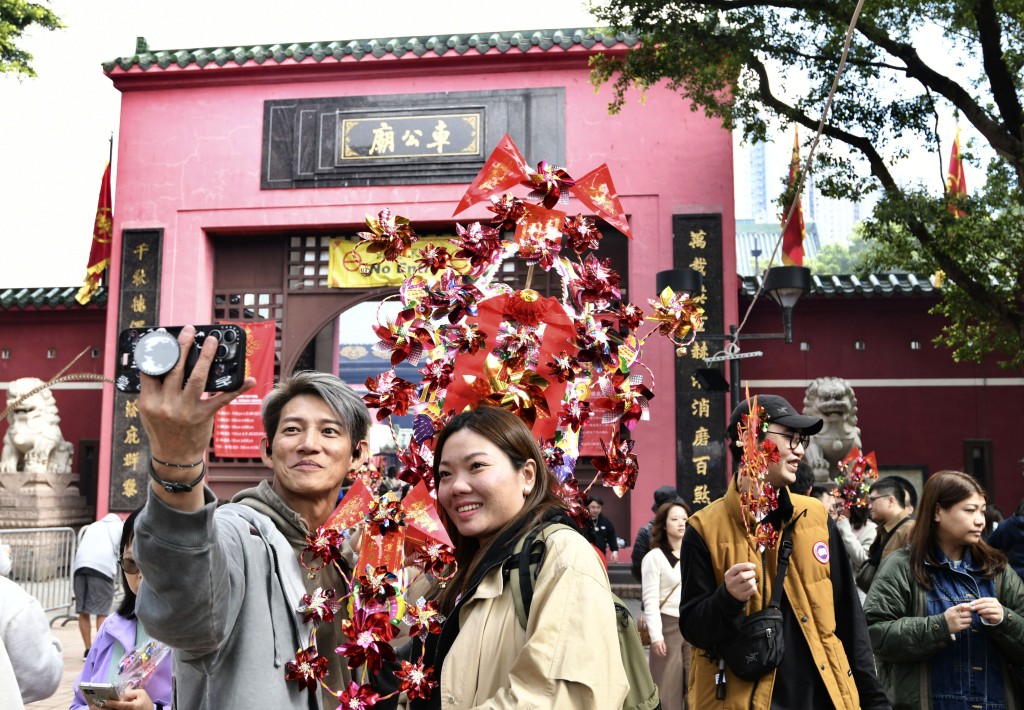
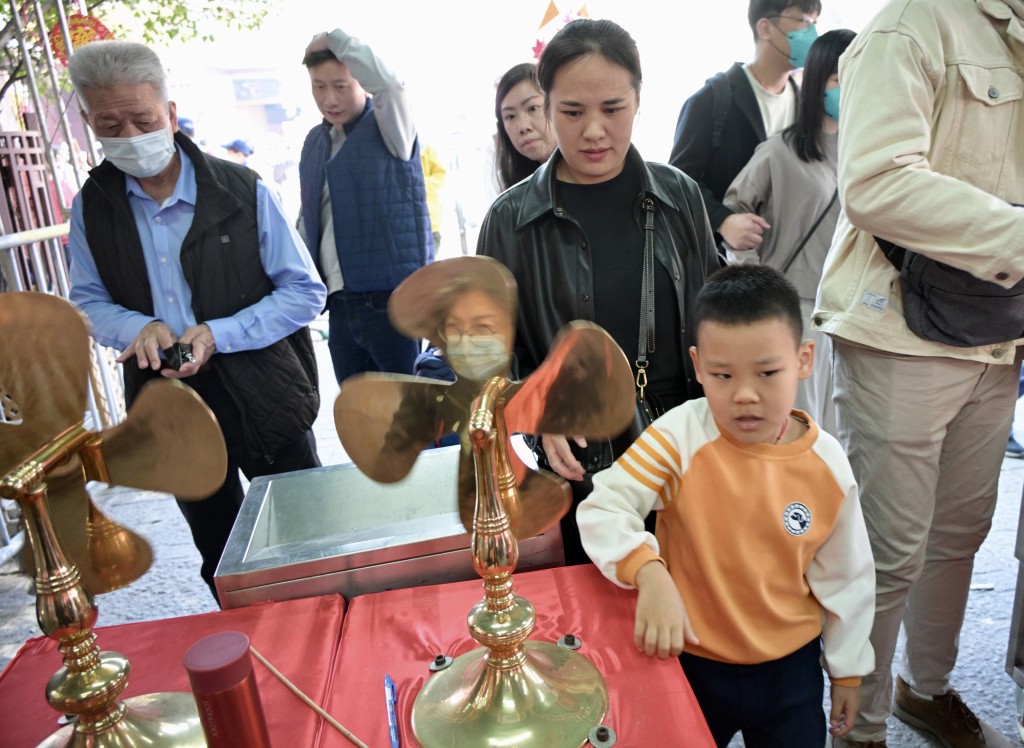
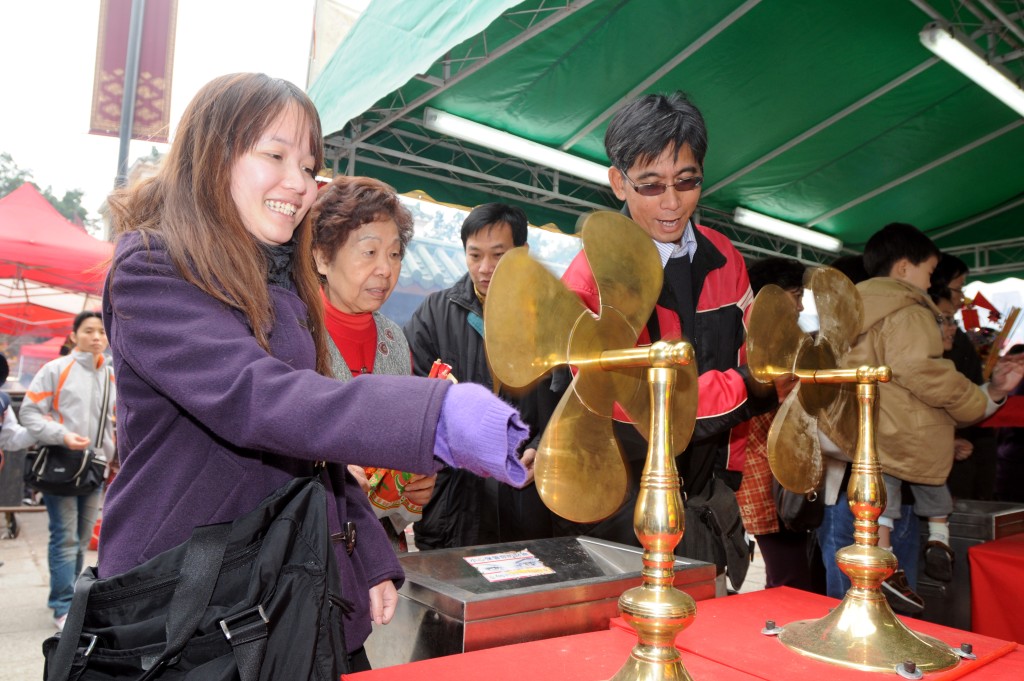
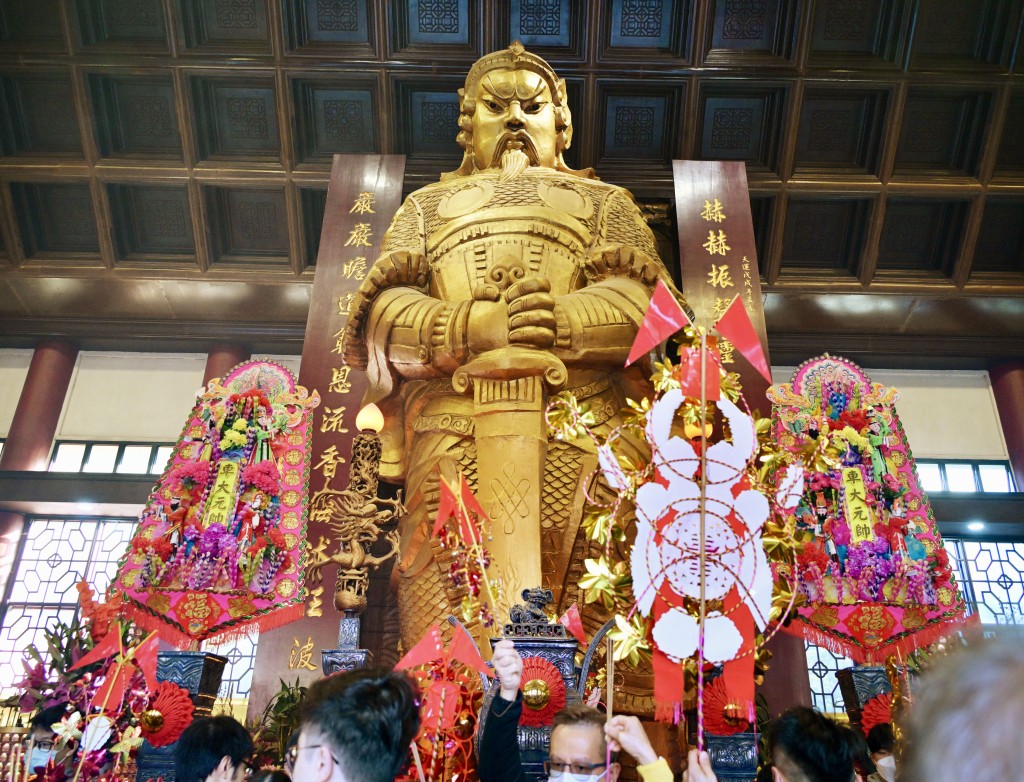
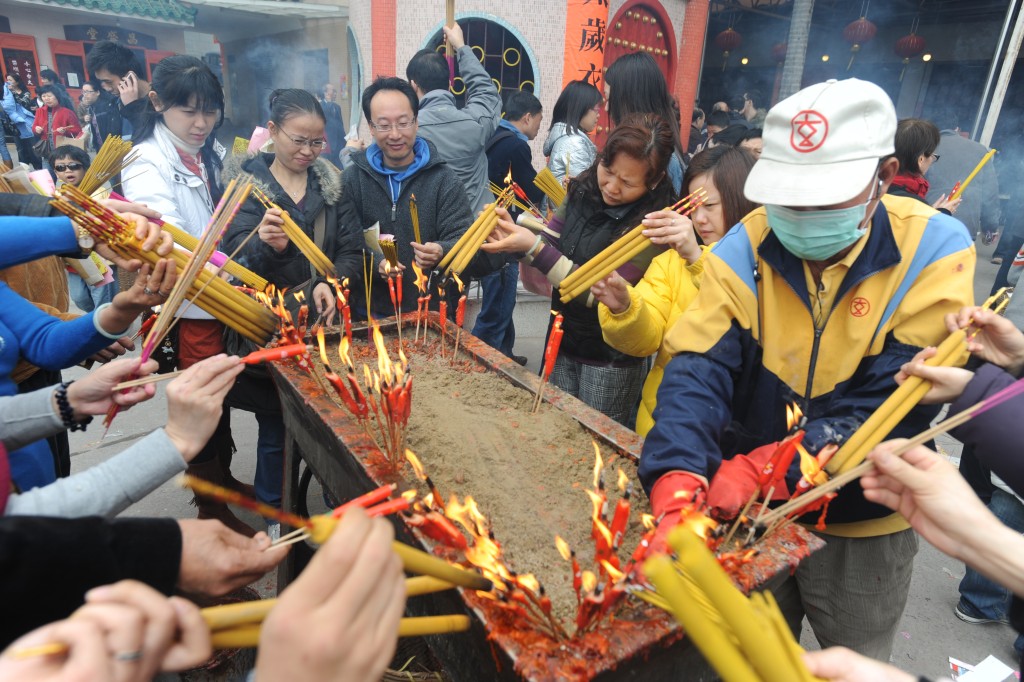
Visiting Sha Tin Che Kung Temple on the third day of the Lunar New Year to pray for good fortune is another important tradition in Hong Kong. The exact year the temple was built is unknown, but it is believed to date back to the Jiaqing reign of the Qing dynasty.
There are two legends regarding the temple’s origin. One links to halting a plague during the Chongzhen reign of the Ming Dynasty. Villagers discovered that General Che Kung had not only suppressed rebels but also stopped plagues wherever he went, so they invited his statue for worship, and the epidemic quickly ended, leading to the temple’s construction in gratitude.
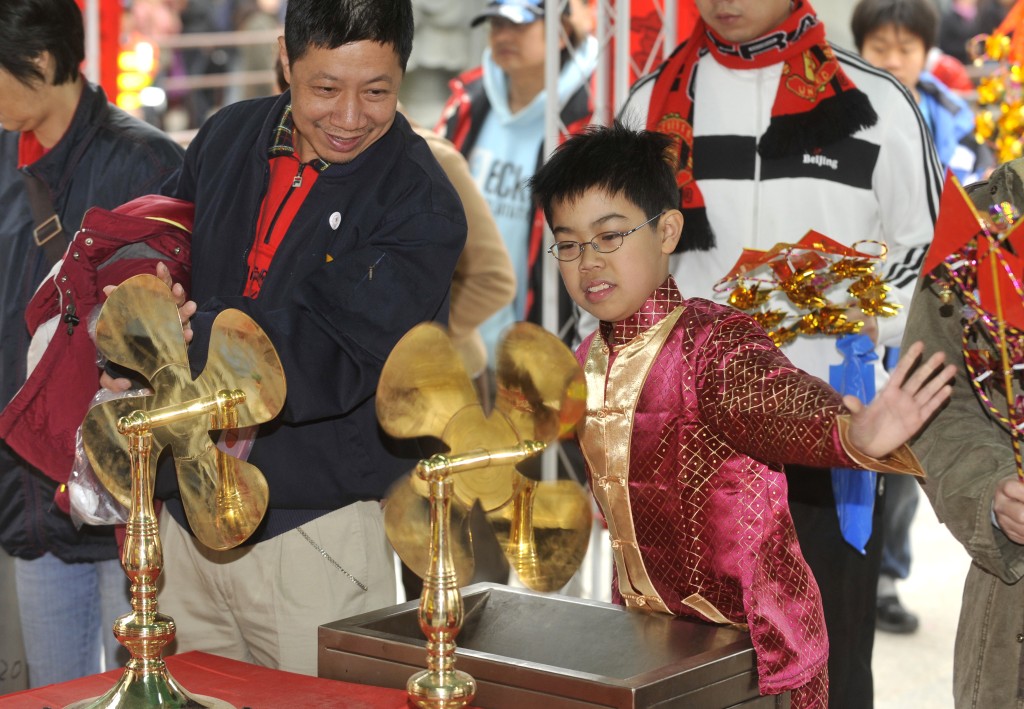
The other legend involves feng shui. A feng shui master determined that the confluence of three rivers near Tin Sam Tsuen and the surrounding mountains created an ideal location for a temple to guard water and promote prosperity, prompting villagers to fund the construction of the temple. Inside the temple stands a copper windmill said to improve luck when turned. Che Kung’s birthday is on the second day of the Lunar New Year, while the third day, known as Chi Kou, is considered unsuitable for socializing. As a result, thousands gather annually to spin the windmill and pray for good fortune on that day.
Traditionally, government representatives or the Heung Yee Kuk would draw a fortune stick for Hong Kong, with British officials doing this from the 1980s to the 1990s. In 2003, then Secretary for Home Affairs Patrick Ho Chi-ping drew an unfovarable stick, leading the government to stop participating and the Chairman of Heung Yee Kuk took on the ritual.
+3
New Year’s Customs — The origin of ‘Sip Tai Sui’ is hard to trace
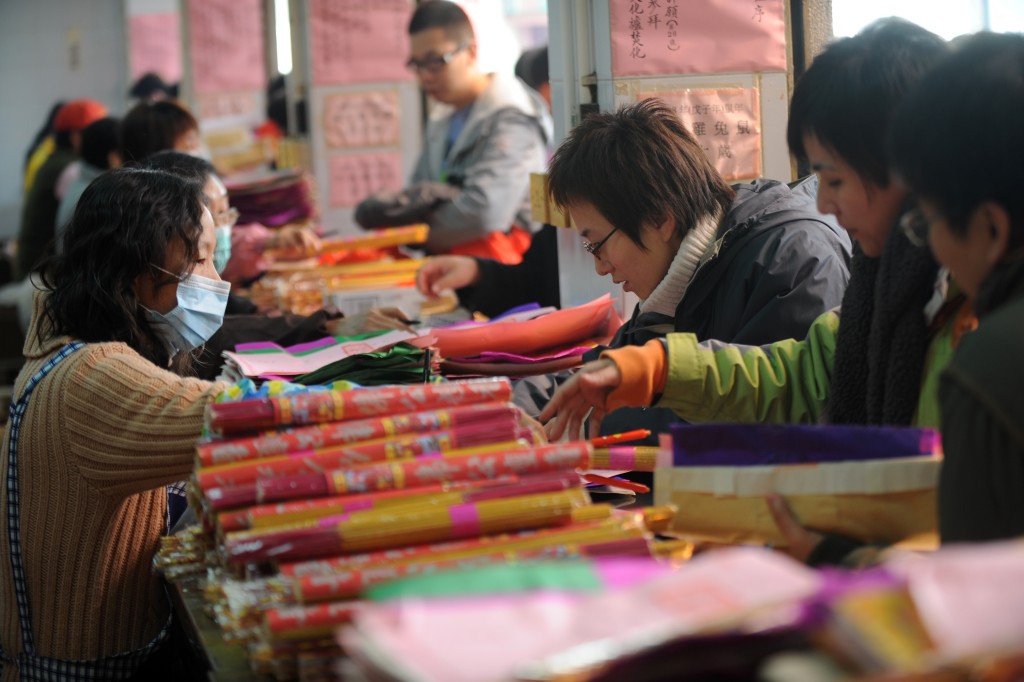
According to New Year tradition, after the start of spring, people whose Chinese zodiac signs conflict with Tai Sui, the Guardian God of the Year, are advised to ‘sip tai sui’ (pray to Tai Sui) to seek good fortune and avoid misfortune.
The Tai Sui belief is based on Chinese heavenly stems, earthly branches, zodiac signs and personal destiny stars, with 60 celestial generals presiding over each year and overseeing fortunes and misfortunes.
The exact origin of praying to Tai Sui is unclear, but legend has it that after Emperor Zhangzong of the Jin dynasty ascended the throne, a Taoist priest advised that his ailing mother was offending Tai Sui. This led to the construction of the Hall of Yuanchen at White Cloud Temple in Beijing to worship Doumu, the goddess in Taoism, establishing the tradition of praying to Tai Sui.
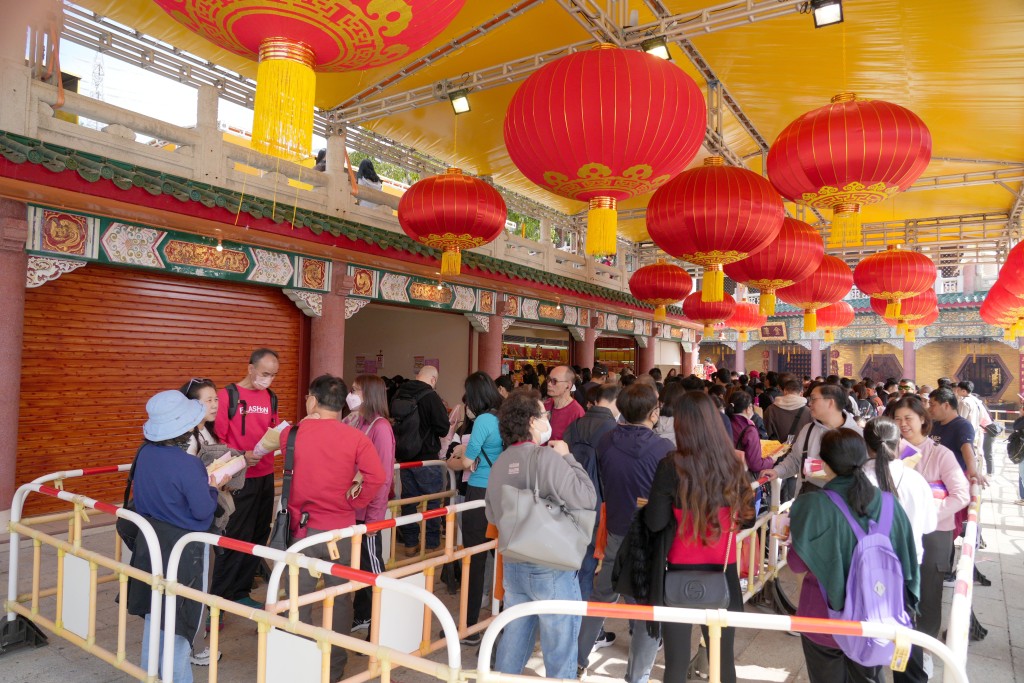
Many now pray to Tai Sui after the third day of the Lunar New Year. Over 10 temples in Hong Kong hold Sip Tai Sui ceremonies, with the largest at Yuen Yuen Institute in Tsuen Wan.
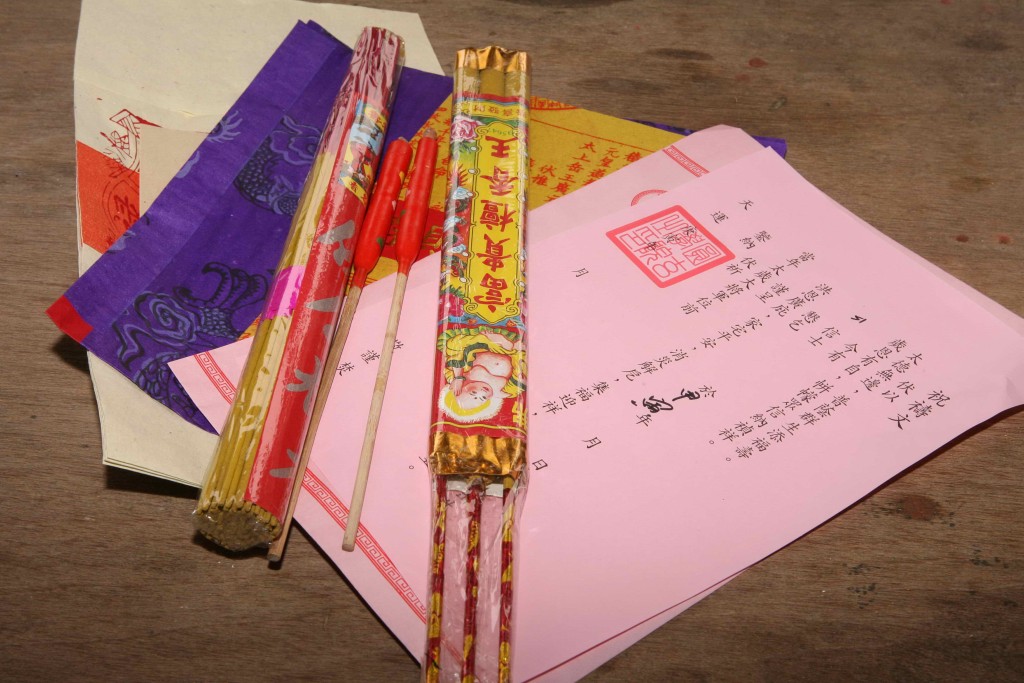
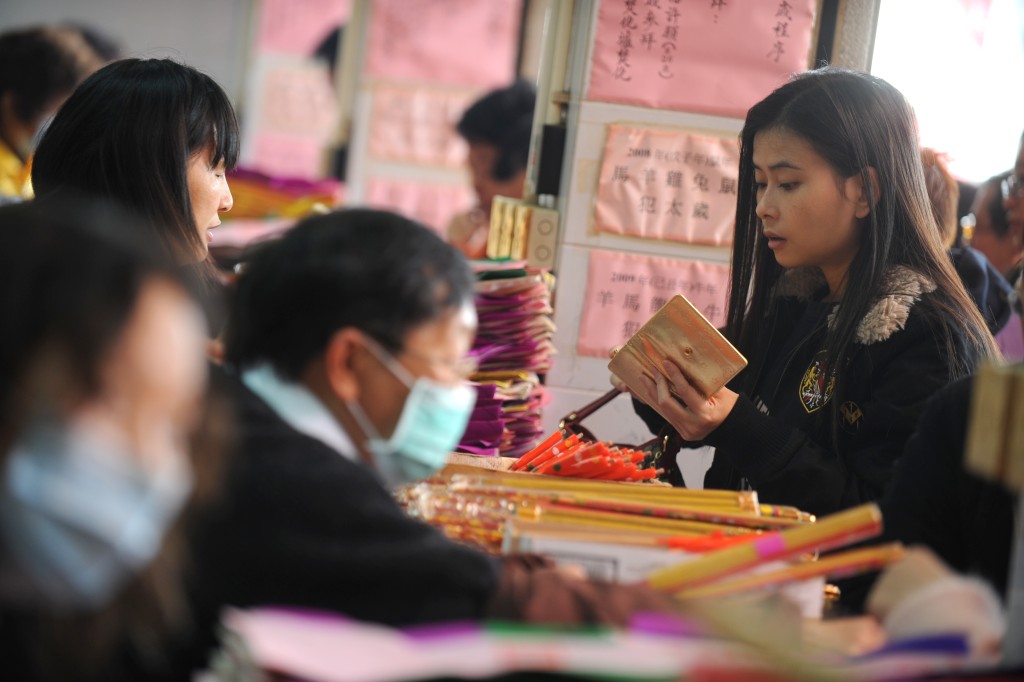
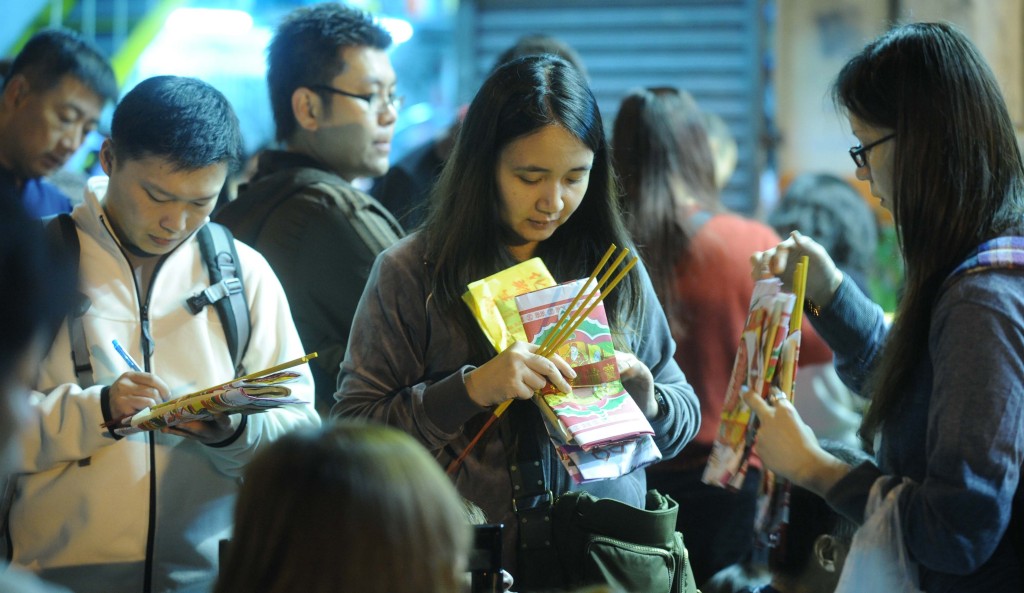
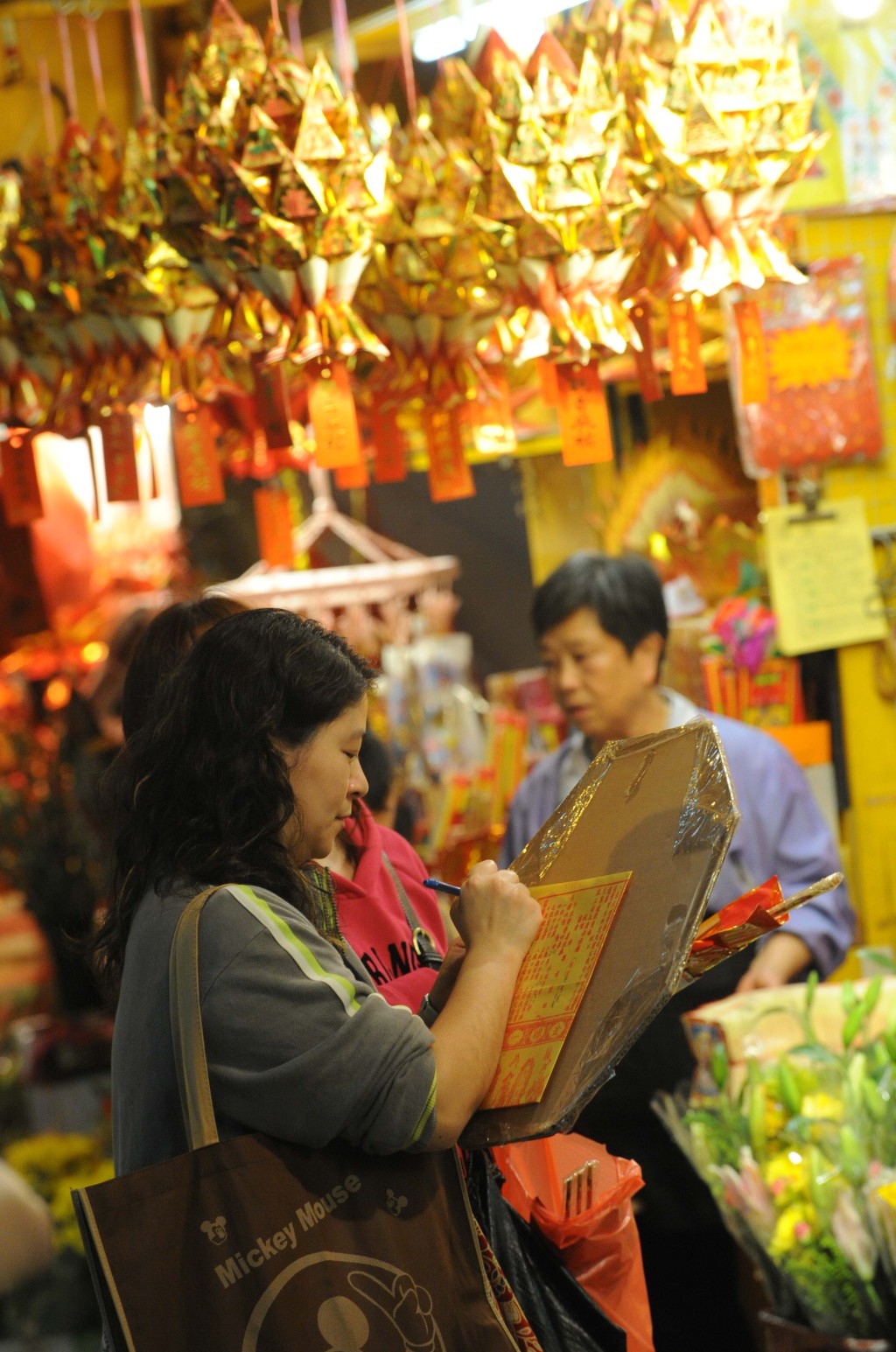
Worshippers adhere to specific procedures: they purchase Tai Sui paper offerings, write their name and birth year, pray to Doumu, then to the year’s Tai Sui god and their own. At the year’s end, they return to thank the gods for their blessings.
+8
New Year’s Customs — Kwun Yum Treasury Opening Festival originated from lettuce feast?
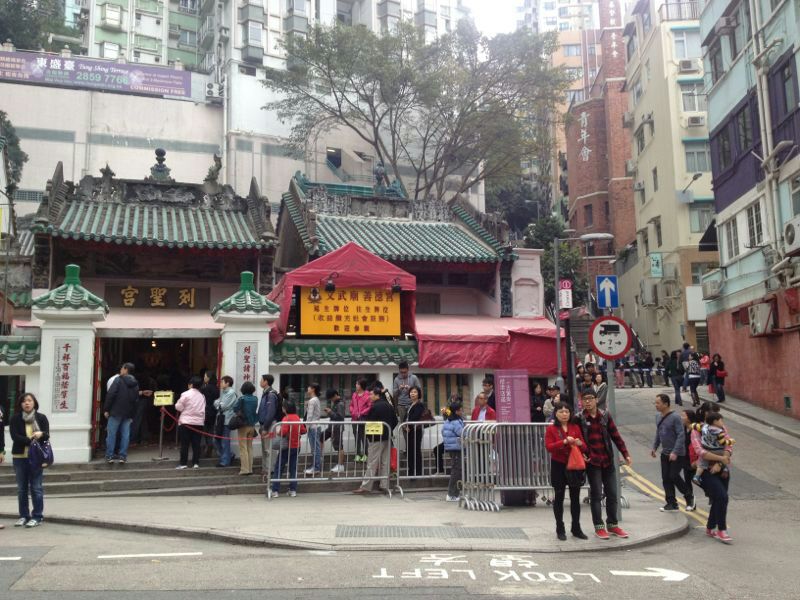
It is said that Kwun Yum, the Goddess of Mercy, opens her treasury on her birthday to lend wealth to the people. There are two theories about its origin. One said it was initiated by the Kwun Yum Tong in Tai Ping Shan Street, Sheung Wan. According to the fourth-generation supervisor of the temple, his father created the practice based on the story of a filial son building the Luoyang Bridge to help the poor.
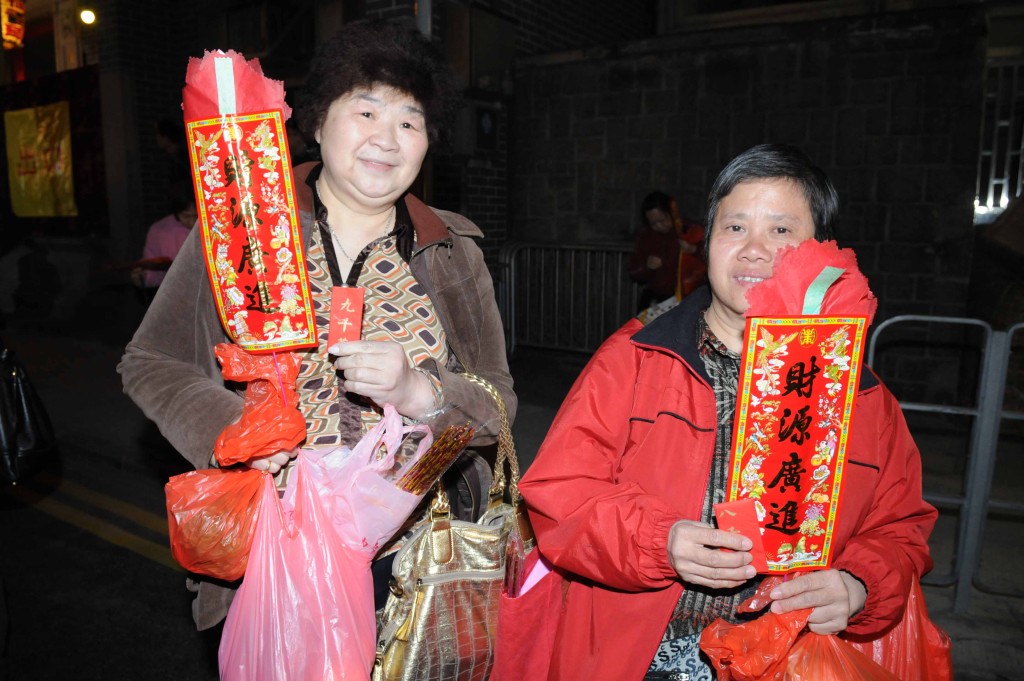
Another theory links it to the lettuce feast in Guangzhou, Nanhai, and Shunde during the late Ming and early Qing dynasties. Members of a folk savings group contributed monthly and received their principal plus interest on the 26th day of the lunar month, referred to as “Kwun Yum opens the treasury.” People believe the 26th day is when Kwun Yum opens her treasury. Worshippers bring offerings and fortune talismans to receive blessings, along with red packets and auspicious items. The tradition emphasizes borrowing and repaying fortunes each year.
Currently, 16 temples in Hong Kong hold such events, including notable ones like Shau Kei Wan Tin Hau Temple, Tam Kung Temple, Wan Chai Yuk Hui Temple, Tai Hang Lin Fa Temple and Hung Hom Kwun Yum Temple, with the latter two being the most famous.